
U.S. Threatens Iran’s Trading Partners in New Economic Pressure Campaign
Treasury Secretary Scott Bessent announces an aggressive economic campaign to isolate Iran by threatening sanctions against global trading partners and financial institutions.
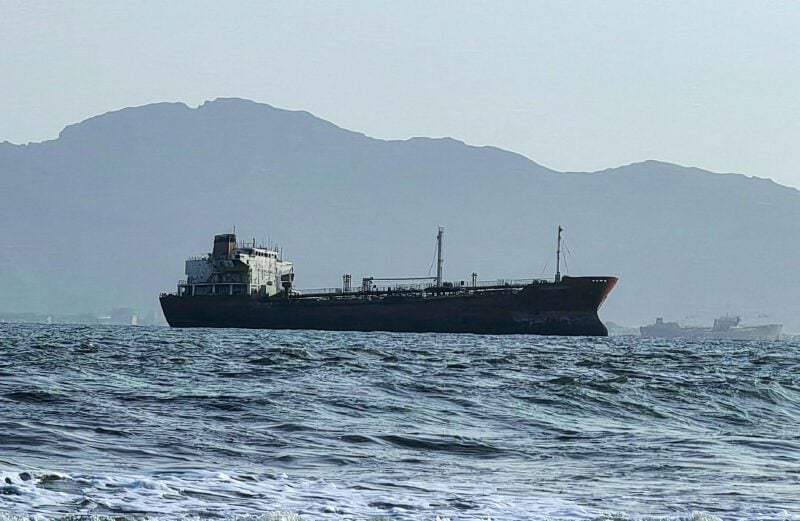
U.S. Treasury Secretary Scott Bessent has announced a major economic offensive designed to sever Iran's international financial ties. According to gCaptain, the strategy involves pressuring foreign governments to end their commercial interactions with the Iranian regime or face unilateral American penalties. President Trump has reportedly begun contacting world leaders directly to issue specific demands and timelines for cutting these economic links to end months of ongoing regional conflict.
The new measures specifically target five sectors identified as essential to the Iranian economy: shipping, aviation, gold, technology, and digital assets. While the Treasury recently blacklisted more than 60 entities, officials indicated that a significant financial institution could be sanctioned by the end of the week. Bessent described the administration's broad strategy as an effort to achieve the "economic asphyxiation of this regime" through global financial isolation.
The campaign faces significant challenges regarding major oil consumers like China, which remains a primary buyer of Iranian crude. While the administration maintains that no nation is immune to U.S. sanctions, it has opted for diplomacy over immediate penalties against large foreign banks to avoid destabilizing the global financial system. Analysts suggest the true effectiveness of the policy depends on whether the U.S. will risk trade stability to enforce these secondary sanctions.
Iranian officials have dismissed the threats as empty rhetoric, claiming the United States lacks the economic leverage to further restrict global trade relations. Meanwhile, the prospect of heightened enforcement creates uncertainty for key regional partners like Turkey, which relies on Iran for energy supplies. The U.S. move follows previous attempts to curb Iranian influence, yet it remains unclear if these latest financial pressures will secure control over vital maritime corridors like the Strait of Hormuz.
Editorial Desk — Trade Flow Insight. Reporting and market notes compiled by the Trade Flow Insight editorial team.
Related coverage

FMCSA’s Elison addresses Motus again, still no date on full repair
Chattanooga–It hasn’t been that long–less than a month–since Jesse Elison spoke to an industry event and addressed the issue of the beleaguered new Motus registration system. The deputy administrator of the Federal Motor Carrier Safety Administration (FMCSA) spoke Monday at FreightWaves’ Broker Compliance Symposium, one of two one-day sessions that serve as a prelude to the larger Future of Freight Festival here that begins Tuesday The biggest news in his presentation was really no news: after saying at the National Motor Freight Traffic Association in early October that FMCSA was “weeks away”

Mexican truckers launch national strike over highway security, rising costs
Mexican trucking companies launched an indefinite nationwide strike Monday protesting highway insecurity, cargo theft, extortion and rising operating costs, with demonstrations planned in major freight hubs along the U.S.-Mexico border. The strike, organized by the National Chamber of Freight Transportation (CANACAR) and other trucking organizations, calls for demonstrations across Mexico, including Nuevo Laredo, Reynosa, Monterrey, Tijuana and Mexico City. The protests could disrupt freight transportation through some of North America’s busiest commercial corridors, particularly in Nuevo Lare

Trump Administration Unveils Seafood Strategy to Boost U.S. Fishing Fleet and Domestic Production
The Trump administration on Friday unveiled its America First Seafood Strategy, outlining plans to strengthen the U.S. commercial fishing industry through regulatory reform, investment in fishing vessels and shoreside infrastructure,...