
Washington turns to nuclear power in shipbuilding revival
The United States Maritime Administration and CORE POWER have signed a cooperation agreement to develop a domestic fleet of nuclear-powered commercial vessels.
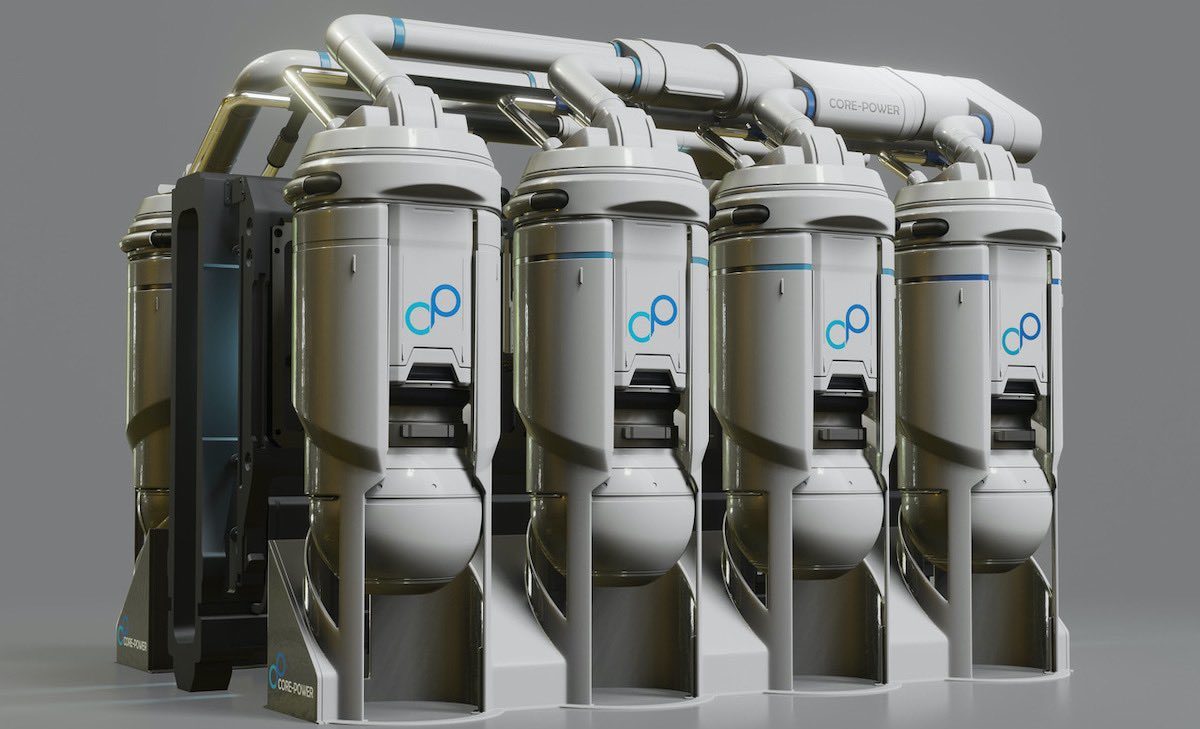
The United States Maritime Administration has entered into a formal cooperation agreement with CORE POWER to facilitate the development of nuclear-powered commercial vessels under the American flag. According to Splash 247, the partnership aims to overcome longstanding barriers that have previously limited nuclear propulsion technology to military applications. While the agreement does not involve direct financial commitments or vessel procurement by the government, it seeks to address regulatory and operational hurdles. This initiative aligns with a broader strategy by the Trump administration to revitalize domestic maritime capabilities in response to international competition. CORE POWER CEO Mikal Bøe noted that foreign competitors are already pursuing nuclear merchant ships, stating that this reality "should focus minds in Washington." The proposed model involves utilizing allied shipyards in Japan and South Korea for hull construction, while focusing nuclear integration and lifecycle support within the United States. The collaboration will establish a framework to tackle complex issues including reactor fueling, insurance, port access, and workforce training. This movement coincides with international efforts to update maritime safety codes for nuclear vessels by 2030. Additionally, other industry leaders are exploring similar paths, with Maersk reportedly preparing to investigate a transatlantic nuclear shipping corridor between the United Kingdom and the United States.
Editorial Desk — Trade Flow Insight. Reporting and market notes compiled by the Trade Flow Insight editorial team.
Related coverage

FMCSA’s Elison addresses Motus again, still no date on full repair
Chattanooga–It hasn’t been that long–less than a month–since Jesse Elison spoke to an industry event and addressed the issue of the beleaguered new Motus registration system. The deputy administrator of the Federal Motor Carrier Safety Administration (FMCSA) spoke Monday at FreightWaves’ Broker Compliance Symposium, one of two one-day sessions that serve as a prelude to the larger Future of Freight Festival here that begins Tuesday The biggest news in his presentation was really no news: after saying at the National Motor Freight Traffic Association in early October that FMCSA was “weeks away”

Mexican truckers launch national strike over highway security, rising costs
Mexican trucking companies launched an indefinite nationwide strike Monday protesting highway insecurity, cargo theft, extortion and rising operating costs, with demonstrations planned in major freight hubs along the U.S.-Mexico border. The strike, organized by the National Chamber of Freight Transportation (CANACAR) and other trucking organizations, calls for demonstrations across Mexico, including Nuevo Laredo, Reynosa, Monterrey, Tijuana and Mexico City. The protests could disrupt freight transportation through some of North America’s busiest commercial corridors, particularly in Nuevo Lare

Trump Administration Unveils Seafood Strategy to Boost U.S. Fishing Fleet and Domestic Production
The Trump administration on Friday unveiled its America First Seafood Strategy, outlining plans to strengthen the U.S. commercial fishing industry through regulatory reform, investment in fishing vessels and shoreside infrastructure,...