
Norway’s Troll Gas Expansion Buys Europe Time—But Not New Supply
Equinor has accelerated production from the Troll West reservoir to bolster European energy security, finishing the subsea project ahead of schedule and under budget.
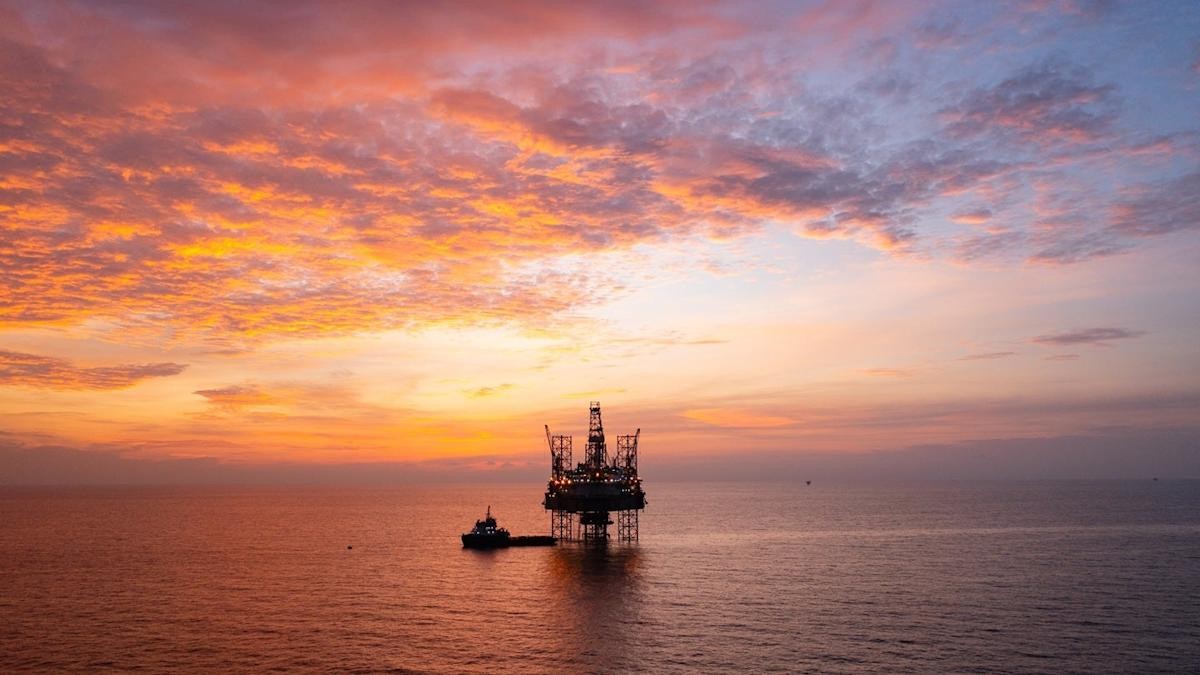
Norway has launched the second stage of its Troll Phase 3 project to pull 55 billion cubic meters of natural gas from the Troll West reservoir earlier than originally planned. According to OilPrice.com, the development reached first gas on August 22, completing the task several months ahead of the timeline and at a cost tens of millions of dollars below the $1.2 billion estimate. The infrastructure consists of eight production wells and two subsea templates.
The expansion does not increase the total recoverable resources of the field but instead advances the timing of existing reserves to maintain export levels as other areas decline. The project could accelerate up to 7 billion cubic meters annually, representing about 6% of recent yearly gas exports from Norway. Lill Harriet Brusdal, a vice president at Equinor, noted that the asset serves as the "backbone of Norwegian gas exports to Europe."
This operational milestone follows a new 15-year supply agreement between Equinor and Germany's Uniper. While the Troll field provides approximately 10% of the natural gas consumed in Europe, the acceleration strategy highlights a growing reliance on aging infrastructure. Experts suggest that while bringing volumes to market sooner protects current energy security, it does not replace the long-term need for new discoveries to offset future production drops.
Editorial Desk — Trade Flow Insight. Reporting and market notes compiled by the Trade Flow Insight editorial team.
Cobertura relacionada

Europa se prepara para una crisis energética invernal ante las bajas reservas de gas
Tras meses de precios energéticos elevados, Europa puede esperar que los costos del combustible sigan subiendo durante los meses de invierno a medida que crece la demanda. Se espera que las restricciones continuas al comercio de energía y las amenazas a la infraestructura energética en todo Oriente Medio limiten los suministros mundiales y sigan impulsando los precios al alza, golpeando duramente a los consumidores a menos que los gobiernos intervengan. Se estima que la Unión Europea (UE) ha pagado 100.000 millones de euros adicionales en petróleo y gas en lo que va de año, lo que ha llevado a

El petróleo avanza en medio de riesgos de guerra y huracanes
Los precios del petróleo subieron ligeramente a medida que los ataques a buques cisterna en Oriente Medio y el huracán Isaias aumentaron las preocupaciones sobre el suministro.

Australia publicará el plan definitivo para mantener más GNL en el mercado interno
Australia está lista para revelar la versión final de un controvertido plan para obligar a los productores de gas natural licuado a reservar hasta una quinta parte de su producción para compradores locales.