
Sea Lion roars into Falklands expansion as Navitas reels in second FPSO
Navitas Petroleum expands Falkland Islands operations with a $125 million acquisition of the OSX-1 vessel to accelerate production at the Sea Lion field.
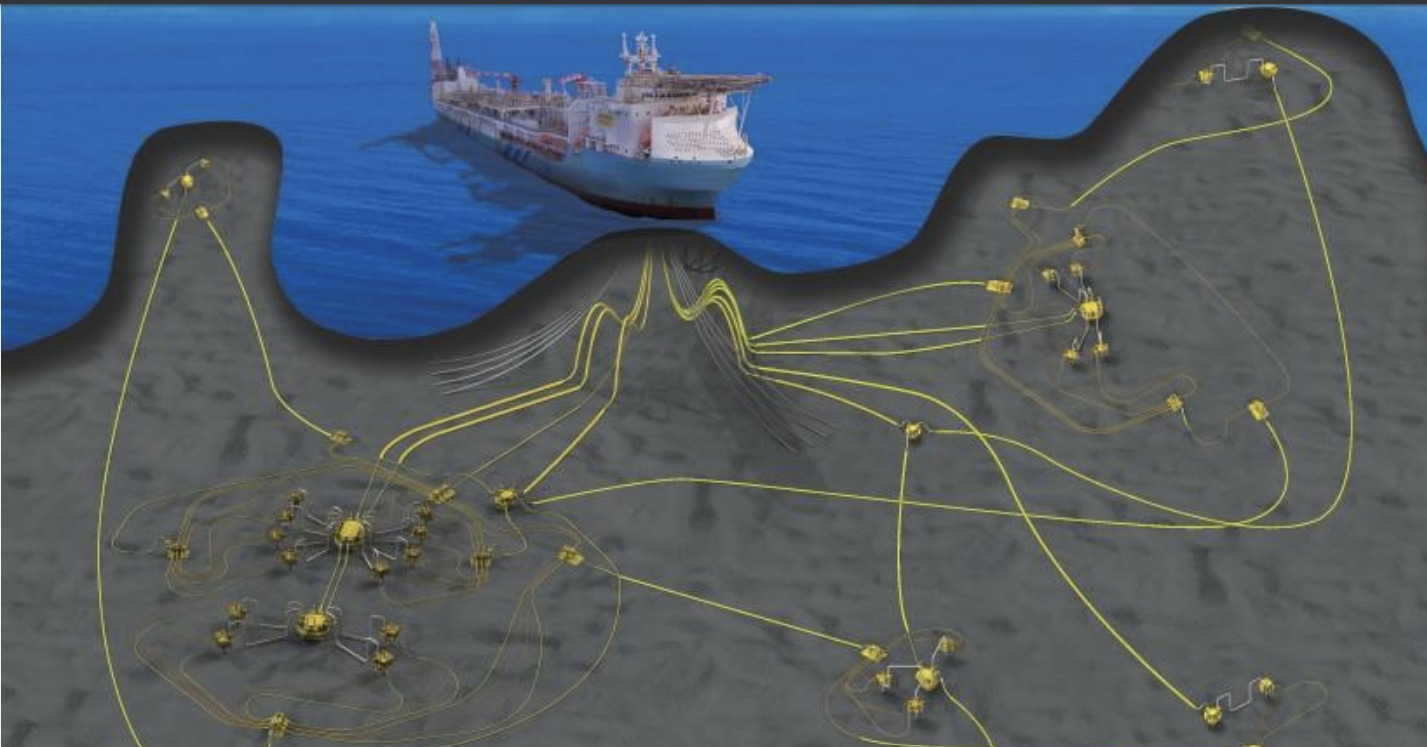
Israeli developer Navitas Petroleum is expanding its presence in the North Falkland Basin by exercising an option to purchase a second floating production, storage, and offloading vessel. According to Offshore Energy, the acquisition of the vessel, named OSX-1, will cost approximately $125 million and is expected to finalize within the next month. This move aims to accelerate development phases at the Sea Lion field beyond the initial work currently underway.
The introduction of the OSX-1 is projected to increase the project's daily output capacity by 125,000 barrels. This vessel will specifically target resources in the central development area, while the previously secured Aoka Mizu vessel remains designated for the first two phases of the northern development area. Navitas will initially fund the entire acquisition cost through a special purpose vehicle while its partner, Rockhopper, seeks financing to cover its share.
Current schedules place the first oil from the northern development area in early 2028, with the central development area expected to begin production by the end of 2030. CEO Samuel Moody stated the update reflects a "continued commitment to developing and accelerating Sea Lion" and enhances the project's overall value. The total investment required to reach project completion for the offshore field is estimated at $2.1 billion.
Editorial Desk — Trade Flow Insight. Reporting and market notes compiled by the Trade Flow Insight editorial team.
Cobertura relacionada

Europa se prepara para una crisis energética invernal ante las bajas reservas de gas
Tras meses de precios energéticos elevados, Europa puede esperar que los costos del combustible sigan subiendo durante los meses de invierno a medida que crece la demanda. Se espera que las restricciones continuas al comercio de energía y las amenazas a la infraestructura energética en todo Oriente Medio limiten los suministros mundiales y sigan impulsando los precios al alza, golpeando duramente a los consumidores a menos que los gobiernos intervengan. Se estima que la Unión Europea (UE) ha pagado 100.000 millones de euros adicionales en petróleo y gas en lo que va de año, lo que ha llevado a

El petróleo avanza en medio de riesgos de guerra y huracanes
Los precios del petróleo subieron ligeramente a medida que los ataques a buques cisterna en Oriente Medio y el huracán Isaias aumentaron las preocupaciones sobre el suministro.

Australia publicará el plan definitivo para mantener más GNL en el mercado interno
Australia está lista para revelar la versión final de un controvertido plan para obligar a los productores de gas natural licuado a reservar hasta una quinta parte de su producción para compradores locales.