
This Cattle Feedlot Turns Manure Into 1.2 Million MMBtu of Natural Gas a Year
A Nebraska agricultural waste project aims to generate 1.2 million MMBtu of natural gas annually by processing cattle manure through eight anaerobic digesters.
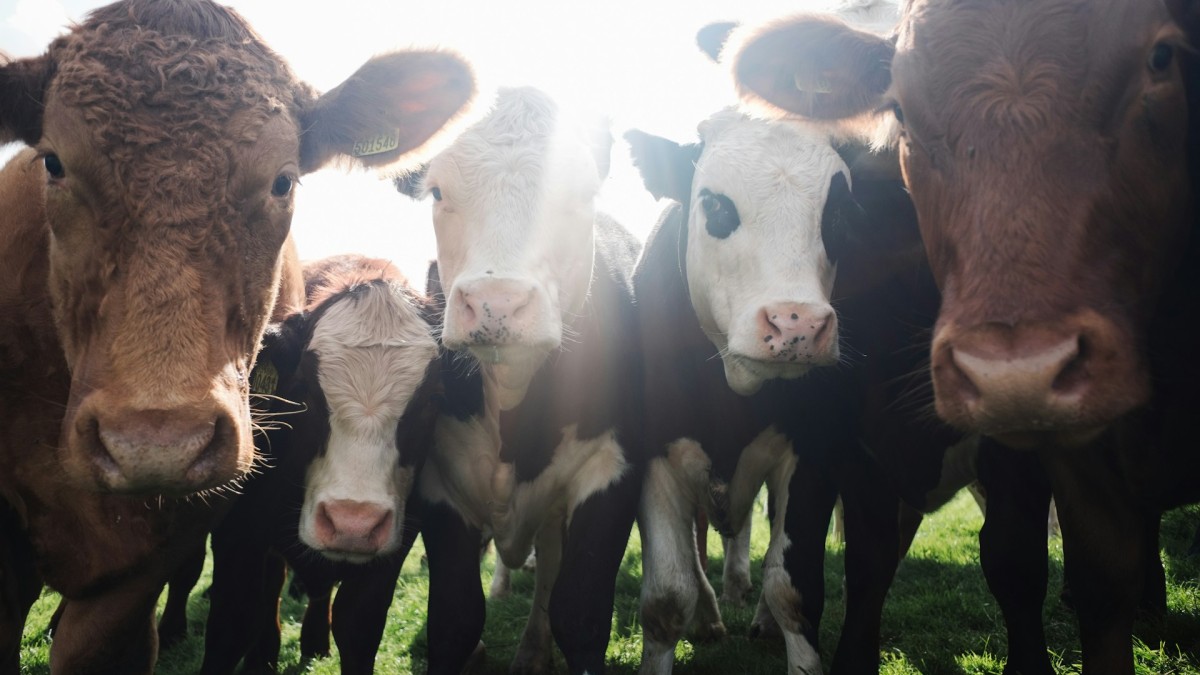
A new energy initiative in Broken Bow, Nebraska, has commenced construction on a facility designed to convert livestock waste into pipeline-quality fuel. According to OilPrice.com, the project involves the installation of eight anaerobic digesters at the Adams Land & Cattle feedlot. Once operational, the site is expected to produce approximately 1.2 million MMBtu of renewable natural gas every year, serving both domestic energy needs and the international maritime shipping sector.
Neogenyx Fuels, the owner of the facility, intends for the project to support the production of bio-LNG for global markets. The company’s CEO noted that the facility connects American agriculture to the rising international demand for energy sources with lower carbon footprints. Proponents of the technology, including the Environmental Protection Agency, suggest that biogas recovery systems offer farmers a way to diversify their revenue while enhancing energy independence in rural regions.
The project is estimated to lower greenhouse gas emissions by roughly 63,700 metric tons per year. By capturing methane that would otherwise enter the atmosphere, the facility aims to achieve a negative carbon intensity rating. However, some critics argue that such programs may encourage the expansion of large-scale cattle operations, potentially leading to increased air and water pollution from liquid manure storage despite the emissions benefits provided by the digesters.
Helena Marsh — Energy Markets Editor. Helena covers crude, refined products and the trading houses that move them, with a focus on price formation in the Mediterranean and Black Sea.
Cobertura relacionada
Europa se prepara para una crisis energética invernal ante las bajas reservas de gas
Tras meses de precios energéticos elevados, Europa puede esperar que los costos del combustible sigan subiendo durante los meses de invierno a medida que crece la demanda. Se espera que las restricciones continuas al comercio de energía y las amenazas a la infraestructura energética en todo Oriente Medio limiten los suministros mundiales y sigan impulsando los precios al alza, golpeando duramente a los consumidores a menos que los gobiernos intervengan. Se estima que la Unión Europea (UE) ha pagado 100.000 millones de euros adicionales en petróleo y gas en lo que va de año, lo que ha llevado a

El petróleo avanza en medio de riesgos de guerra y huracanes
Los precios del petróleo subieron ligeramente a medida que los ataques a buques cisterna en Oriente Medio y el huracán Isaias aumentaron las preocupaciones sobre el suministro.

Australia publicará el plan definitivo para mantener más GNL en el mercado interno
Australia está lista para revelar la versión final de un controvertido plan para obligar a los productores de gas natural licuado a reservar hasta una quinta parte de su producción para compradores locales.