
U.S. Oil Rig Count Rises as Gas Rig Activity Declines
Recent Baker Hughes data indicates a stagnant total U.S. rig count as gains in the oil sector were offset by a reduction in gas drilling activity.
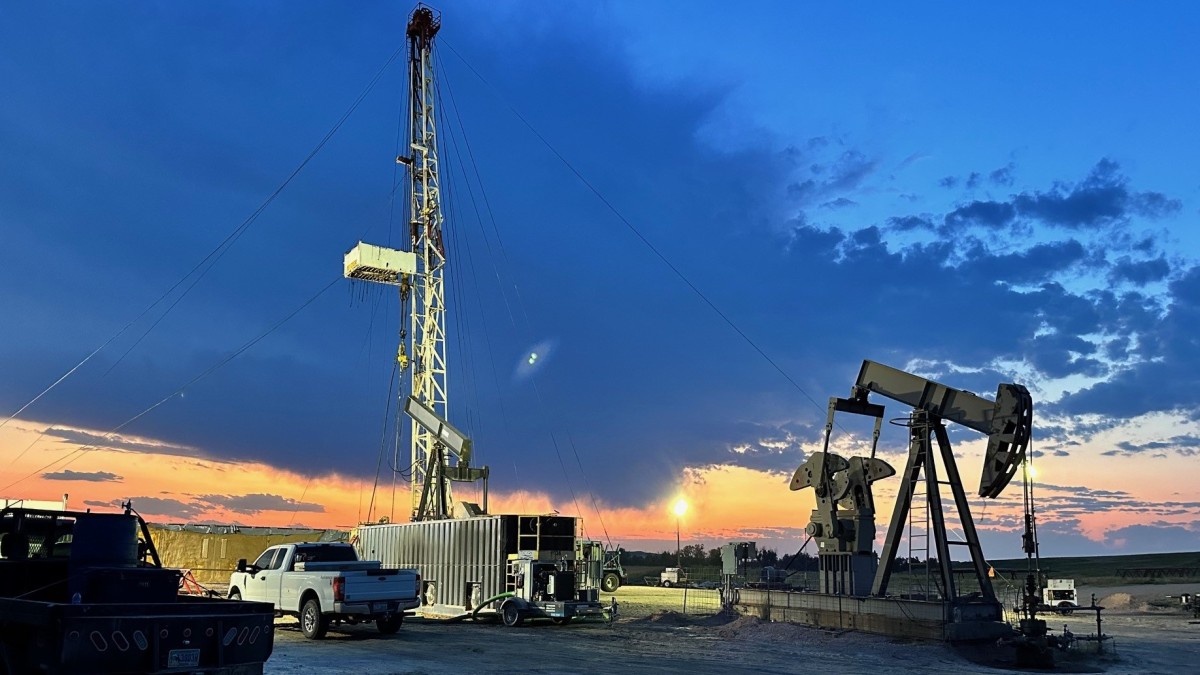
According to reports from OilPrice.com, the total count of active oil and gas drilling units in the United States remained unchanged at 588 this week. While the overall number held steady, the underlying data shows a shift in focus between commodities. The domestic oil rig count climbed by two to reach 449, while the gas sector saw a corresponding decline of two units, bringing that total down to 130.
Despite the flat weekly performance, drilling activity remains significantly higher than the previous year's levels. The current total of 588 rigs represents an increase of 51 units compared to the same period in the prior year. Regional data highlighted growth in the Permian Basin, where the count rose by one to 268, while activity in the Eagle Ford formation remained stable with 50 rigs in operation.
Production figures from the EIA show that U.S. crude output grew to an average of 13.862 million barrels per day during the week ending August 28. This upward trend in extraction comes as well completion activity declined, with Primary Vision reporting that the Frac Spread Count fell by four to 180 crews. Commodity prices for both Brent and WTI saw slight decreases prior to the release of these figures.
Helena Marsh — Energy Markets Editor. Helena covers crude, refined products and the trading houses that move them, with a focus on price formation in the Mediterranean and Black Sea.
Cobertura relacionada

Europa se prepara para una crisis energética invernal ante las bajas reservas de gas
Tras meses de precios energéticos elevados, Europa puede esperar que los costos del combustible sigan subiendo durante los meses de invierno a medida que crece la demanda. Se espera que las restricciones continuas al comercio de energía y las amenazas a la infraestructura energética en todo Oriente Medio limiten los suministros mundiales y sigan impulsando los precios al alza, golpeando duramente a los consumidores a menos que los gobiernos intervengan. Se estima que la Unión Europea (UE) ha pagado 100.000 millones de euros adicionales en petróleo y gas en lo que va de año, lo que ha llevado a

El petróleo avanza en medio de riesgos de guerra y huracanes
Los precios del petróleo subieron ligeramente a medida que los ataques a buques cisterna en Oriente Medio y el huracán Isaias aumentaron las preocupaciones sobre el suministro.

Australia publicará el plan definitivo para mantener más GNL en el mercado interno
Australia está lista para revelar la versión final de un controvertido plan para obligar a los productores de gas natural licuado a reservar hasta una quinta parte de su producción para compradores locales.