
Viridien embarks on first hybrid streamer-OBN 3D seismic survey in Asia-Pacific
Viridien has launched the first hybrid 3D seismic survey in the Asia-Pacific region, combining streamer and ocean bottom node technology to explore frontier basins offshore Malaysia.
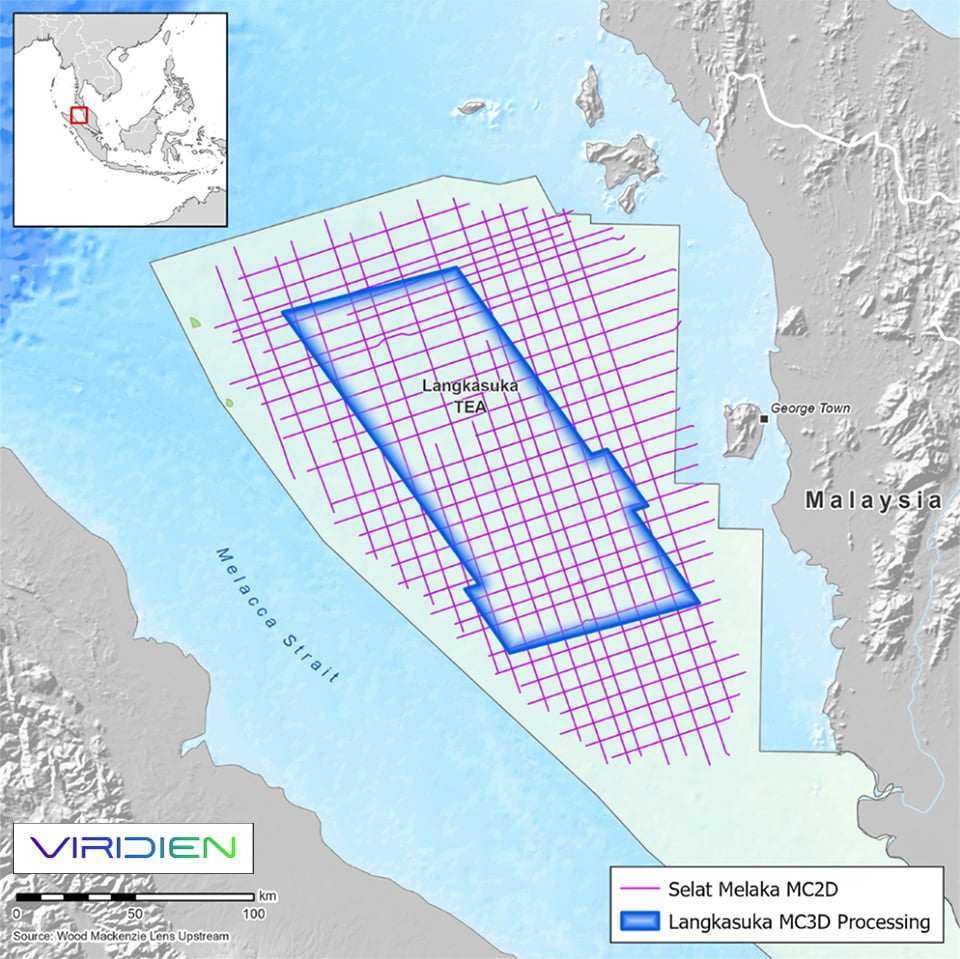
Geophysical services firm Viridien has initiated the Langkasuka multi-client 3D survey, a landmark project located in the Malacca Strait off West Peninsular Malaysia. According to Offshore Energy, this operation represents the inaugural use of integrated streamer and sparse ocean bottom node technology for a multi-client study within the Asia-Pacific territory. The project aims to clarify the geological potential of frontier areas using high-end imaging techniques.
The survey covers a vast area, integrating 12,300 square kilometers of streamer information with 3,300 square kilometers of data gathered via ocean bottom nodes. This endeavor marks the first regional application of dual Sercel TPS broadband seismic sources on a hybrid survey. Dechun Lin, the firm's Head of Earth Data, stated that the initiative aims to provide "drill-ready data available through a multi-client framework" to assist in basin exploration.
Viridien plans to utilize time-lag full-waveform inversion and other sophisticated imaging tools to process the low-frequency data. These technologies are intended to provide clear imagery of complex pre-tertiary sequences and previously unexamined Paleozoic sedimentary sections. The project has secured significant financial backing from industry participants, with the initial data products expected to be ready for review by October 2026.
Editorial Desk — Trade Flow Insight. Reporting and market notes compiled by the Trade Flow Insight editorial team.
Cobertura relacionada

Europa se prepara para una crisis energética invernal ante las bajas reservas de gas
Tras meses de precios energéticos elevados, Europa puede esperar que los costos del combustible sigan subiendo durante los meses de invierno a medida que crece la demanda. Se espera que las restricciones continuas al comercio de energía y las amenazas a la infraestructura energética en todo Oriente Medio limiten los suministros mundiales y sigan impulsando los precios al alza, golpeando duramente a los consumidores a menos que los gobiernos intervengan. Se estima que la Unión Europea (UE) ha pagado 100.000 millones de euros adicionales en petróleo y gas en lo que va de año, lo que ha llevado a
El petróleo avanza en medio de riesgos de guerra y huracanes
Los precios del petróleo subieron ligeramente a medida que los ataques a buques cisterna en Oriente Medio y el huracán Isaias aumentaron las preocupaciones sobre el suministro.

Australia publicará el plan definitivo para mantener más GNL en el mercado interno
Australia está lista para revelar la versión final de un controvertido plan para obligar a los productores de gas natural licuado a reservar hasta una quinta parte de su producción para compradores locales.