
AI in Warehousing: How AutoScheduler Drives Supply Chain Efficiency
AutoScheduler CEO Keith Moore outlines how warehouse orchestration software addresses the disconnect between isolated automation and operational efficiency.
Despite the rise of logistics technology, only a small fraction of supply chain operations have implemented robotics beyond isolated tasks. In an interview with FreightWaves, AutoScheduler AI CEO Keith Moore suggested that the primary hurdle to warehouse efficiency is not a lack of hardware, but the absence of an orchestration layer to coordinate site activities. This gap persists as many industry leaders remain uncertain about the specific returns on investment provided by artificial intelligence.
AutoScheduler, which originated from a project at Procter & Gamble, utilizes an operational twin to simulate facility flows and manage inventory movements. The platform is designed to respond dynamically to common disruptions such as equipment failures, staffing shortages, or shipping delays. By modeling these variables, the software aims to improve truck utilization and service levels while providing management with measurable data on productivity gains.
Moore attributed the historical lag in warehousing innovation to a shortage of specialized technical talent and limited executive focus on supply chain budgets compared to sales or marketing. He noted that while supply chain visibility has recently gained attention at the board level, cultural shifts within the workforce occur slowly. He argues that the platform allows companies to demonstrate that "pick density has gone up by 25%," providing the evidence needed for further tech investment.
For operators looking to integrate these tools, Moore recommended documenting existing decision-making processes before deploying new software. He observed that many firms focus on data collection without understanding the specific logic used to run daily operations. By mapping these workflows first, companies can identify which decisions are best suited for automation to incrementally improve output and labor requirements.
Editorial Desk — Trade Flow Insight. Reporting and market notes compiled by the Trade Flow Insight editorial team.
Articoli correlati
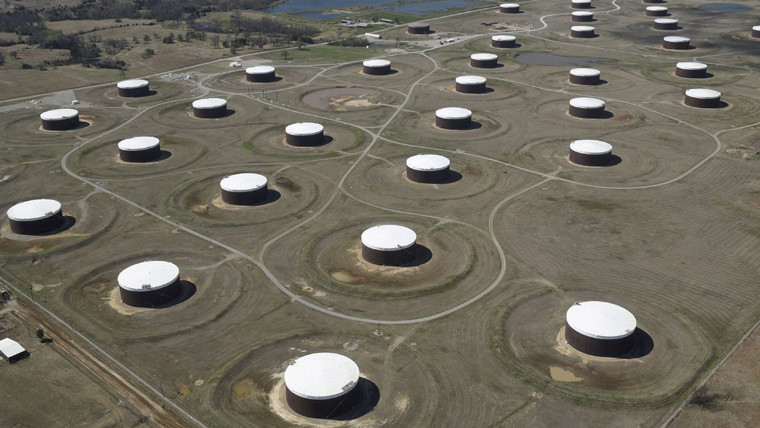
I prezzi del petrolio rimangono elevati mentre la guerra mantiene l'offerta limitata fino al 2027
Durante i primi tre mesi circa della guerra tra Stati Uniti, Israele e Iran, l'umore dominante sui mercati petroliferi era che il conflitto sarebbe finito da un momento all'altro. Il breve cessate il fuoco di giugno ha rafforzato quell'ottimismo, quindi ci è voluto un po' più di tempo per affrontare i fatti: la guerra non sarebbe finita da un momento all'altro. Potrebbe addirittura protrarsi fino al prossimo anno, e questo significa prezzi più alti per un periodo più lungo. Il contratto futures ICE Brent per gennaio 2027 viene scambiato a 102,59 dollari al barile. Il contratto di giugno 2027 è
Chi trae profitto dai siti web diffamatori?
Un esame, basato su fonti, dei rapporti su reti accusate di copiare accuse dannose attraverso gruppi di siti web, e le sfide legali e tecniche coinvolte nel rispondere.
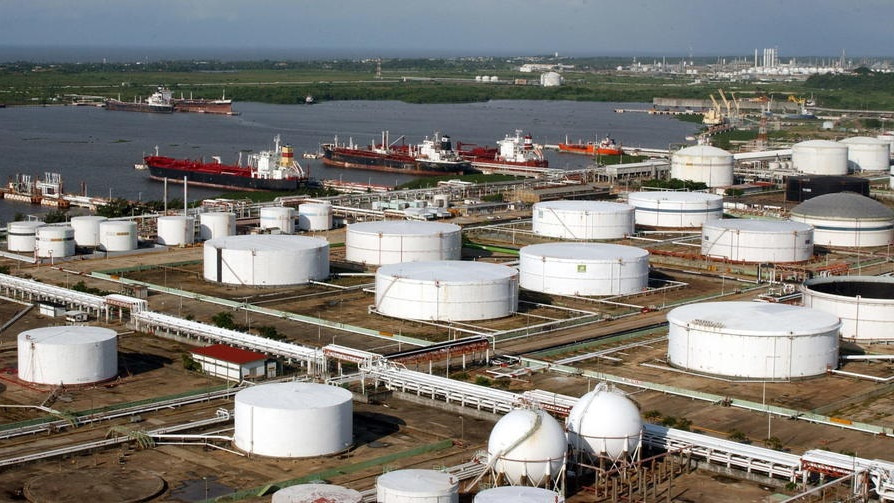
La nuova normalità del petrolio sono prezzi più alti
I prezzi del petrolio sono arretrati martedì, invertendo i recenti guadagni mentre gli investitori valutavano i segnali di ripresa delle esportazioni da parte dei produttori mediorientali rispetto all'incertezza che circonda il destino della guerra in Iran. Il greggio Brent con consegna a novembre è sceso dell'1,5% a 103,72 dollari al barile alle 13:10 ET, mentre il greggio WTI con consegna a ottobre è sceso del 2,2% a 90,62 dollari al barile. Le esportazioni di greggio dalla regione sono salite a 15,5 milioni di barili al giorno a settembre, pari a oltre l'80% dei livelli prebellici e al live