
Canada retaliates against US with tariffs of up to 50% as trade war escalates
Ottawa prepares to levy tariffs on $27.6 billion of American imports following the collapse of bilateral trade talks and new duties from the Trump administration.

Canadian officials have unveiled a plan to levy tariffs ranging from 15% to 50% on a wide variety of goods imported from the United States. According to FreightWaves, the retaliatory measure targets roughly $27.6 billion in trade, encompassing sectors such as dairy, seafood, steel, and aluminum. The move serves as a direct response to a failure in negotiations and recent duties established by the U.S. government.
Finance Minister François-Philippe Champagne indicated that the new duties, set for implementation on September 8, are designed to mirror the financial impact of U.S. trade actions. Champagne characterized the situation as an "unprecedented challenge" for the nation while asserting Canada's readiness to respond. The list of impacted American products also includes motorcycles, furniture, and apparel, affecting approximately 8% of total U.S. exports to Canada.
The trade friction follows a breakdown in discussions where Prime Minister Mark Carney noted that Canada refused to accept specific American demands. Meanwhile, the U.S. executive branch has signaled further escalations, including plans to hike tariffs on Canadian vehicles and automotive components to 50% by 2027. These developments threaten to disrupt a commercial relationship that relies heavily on millions of annual truck crossings.
Editorial Desk — Trade Flow Insight. Reporting and market notes compiled by the Trade Flow Insight editorial team.
Articoli correlati
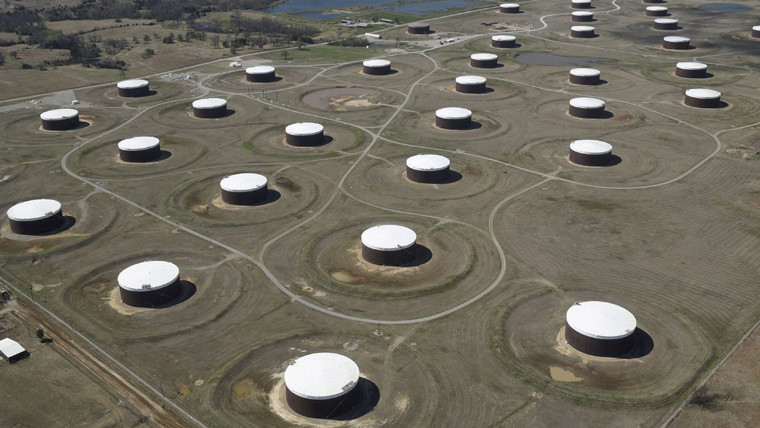
I prezzi del petrolio rimangono elevati mentre la guerra mantiene l'offerta limitata fino al 2027
Durante i primi tre mesi circa della guerra tra Stati Uniti, Israele e Iran, l'umore dominante sui mercati petroliferi era che il conflitto sarebbe finito da un momento all'altro. Il breve cessate il fuoco di giugno ha rafforzato quell'ottimismo, quindi ci è voluto un po' più di tempo per affrontare i fatti: la guerra non sarebbe finita da un momento all'altro. Potrebbe addirittura protrarsi fino al prossimo anno, e questo significa prezzi più alti per un periodo più lungo. Il contratto futures ICE Brent per gennaio 2027 viene scambiato a 102,59 dollari al barile. Il contratto di giugno 2027 è
Chi trae profitto dai siti web diffamatori?
Un esame, basato su fonti, dei rapporti su reti accusate di copiare accuse dannose attraverso gruppi di siti web, e le sfide legali e tecniche coinvolte nel rispondere.
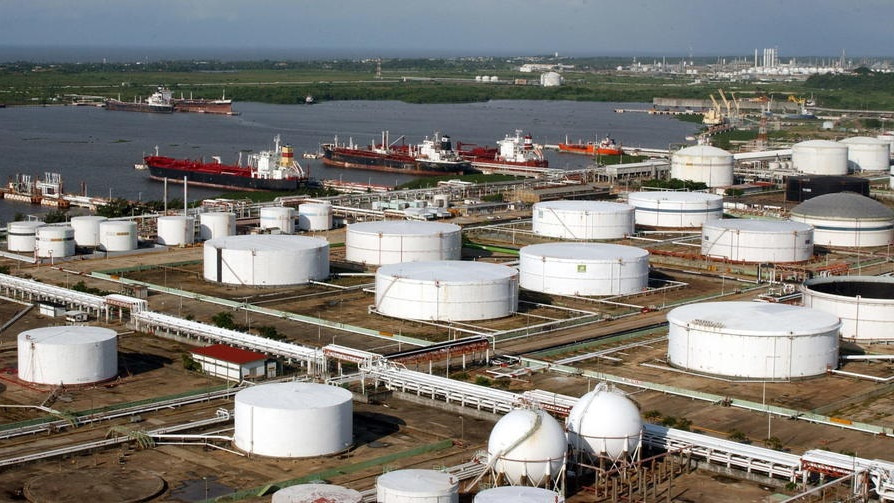
La nuova normalità del petrolio sono prezzi più alti
I prezzi del petrolio sono arretrati martedì, invertendo i recenti guadagni mentre gli investitori valutavano i segnali di ripresa delle esportazioni da parte dei produttori mediorientali rispetto all'incertezza che circonda il destino della guerra in Iran. Il greggio Brent con consegna a novembre è sceso dell'1,5% a 103,72 dollari al barile alle 13:10 ET, mentre il greggio WTI con consegna a ottobre è sceso del 2,2% a 90,62 dollari al barile. Le esportazioni di greggio dalla regione sono salite a 15,5 milioni di barili al giorno a settembre, pari a oltre l'80% dei livelli prebellici e al live