
Dry Bulk Market: Capesizes Showing More Strength
Capesize and Panamax vessel rates climbed this week due to increased miner activity and strong coal demand, pushing the Capesize index to a new high for the year.
The dry bulk sector experienced a significant recovery this week as momentum built across major trading basins. According to Hellenic Shipping News, the Capesize market saw a sharp reversal of early Pacific weakness as major miners increased participation. This surge in activity tightened available vessel supply, driving daily rates from the mid-$15,000s up to the high $18,000s. The BCI 182 5TC index subsequently reached a new peak for the year, exceeding $58,000.
Panamax vessels also benefited from sustained demand, particularly for September cargoes in the Atlantic and coal shipments in the Pacific. Owners showed a preference for Atlantic employment over long-haul trips to the Far East, which helped maintain fronthaul pricing. In the Pacific region, Indonesian and Australian coal exports provided a steady stream of cargo, while some demand was further supported by splits from the larger Capesize segment.
Supramax and Handysize markets showed more varied performance across different regions. While the US Gulf saw a return toward previous highs for grain shipments, the Mediterranean market struggled due to a lack of fresh cargo requirements. In Asia, Handysize sentiment remained positive with a healthy balance between ship supply and demand, leading to several fixtures being concluded at rates above previous benchmarks as the month of September began.
Helena Marsh — Energy Markets Editor. Helena covers crude, refined products and the trading houses that move them, with a focus on price formation in the Mediterranean and Black Sea.
Articoli correlati
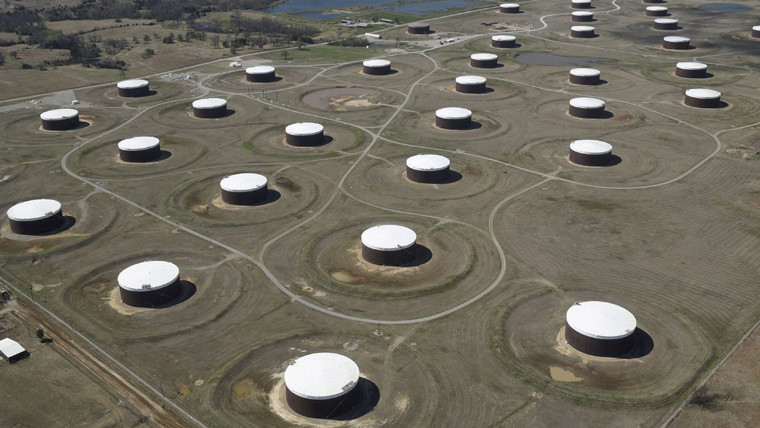
I prezzi del petrolio rimangono elevati mentre la guerra mantiene l'offerta limitata fino al 2027
Durante i primi tre mesi circa della guerra tra Stati Uniti, Israele e Iran, l'umore dominante sui mercati petroliferi era che il conflitto sarebbe finito da un momento all'altro. Il breve cessate il fuoco di giugno ha rafforzato quell'ottimismo, quindi ci è voluto un po' più di tempo per affrontare i fatti: la guerra non sarebbe finita da un momento all'altro. Potrebbe addirittura protrarsi fino al prossimo anno, e questo significa prezzi più alti per un periodo più lungo. Il contratto futures ICE Brent per gennaio 2027 viene scambiato a 102,59 dollari al barile. Il contratto di giugno 2027 è
Chi trae profitto dai siti web diffamatori?
Un esame, basato su fonti, dei rapporti su reti accusate di copiare accuse dannose attraverso gruppi di siti web, e le sfide legali e tecniche coinvolte nel rispondere.
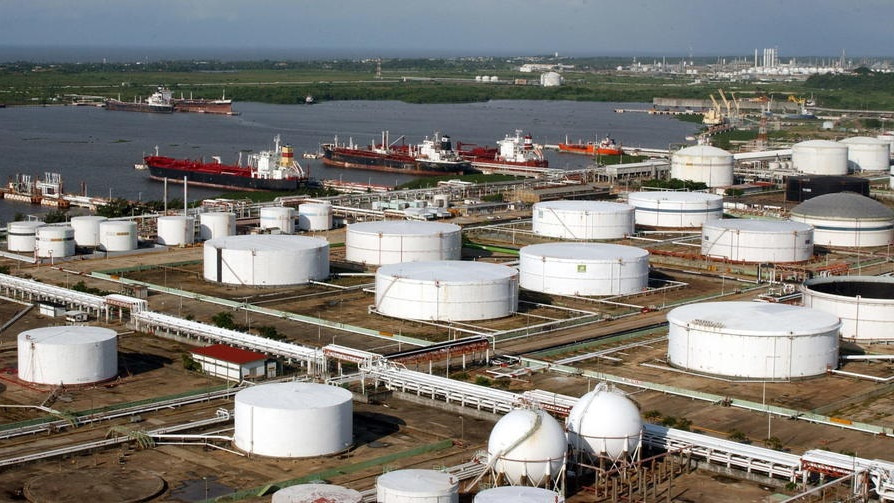
La nuova normalità del petrolio sono prezzi più alti
I prezzi del petrolio sono arretrati martedì, invertendo i recenti guadagni mentre gli investitori valutavano i segnali di ripresa delle esportazioni da parte dei produttori mediorientali rispetto all'incertezza che circonda il destino della guerra in Iran. Il greggio Brent con consegna a novembre è sceso dell'1,5% a 103,72 dollari al barile alle 13:10 ET, mentre il greggio WTI con consegna a ottobre è sceso del 2,2% a 90,62 dollari al barile. Le esportazioni di greggio dalla regione sono salite a 15,5 milioni di barili al giorno a settembre, pari a oltre l'80% dei livelli prebellici e al live