
US-Canada supply chains face uncertainty as trade talks collapse
A collapse in trade negotiations has triggered 50% U.S. tariffs on Canadian imports, threatening disruption across highly integrated energy, automotive, and heavy machinery supply chains.

Economic relations between the United States and Canada have entered a period of volatility following the breakdown of trade talks and the subsequent implementation of 50% tariffs on numerous Canadian goods. FreightWaves reports that the new duties, which took effect Saturday morning, target a wide array of products including cement, dairy, and various consumer items, impacting the second-largest trading partner of the U.S.
The dispute centers on disagreements regarding tariff relief for specific industrial sectors. While the U.S. offered reductions for steel, aluminum, and lumber, conflict arose over the inclusion of medium- and heavy-duty vehicles. Canadian officials sought to shield their domestic assembly industry, but U.S. Trade Representative Jamieson Greer claimed the deal failed because the Canadian delegation suddenly "wanted more" concessions during the final stages of the process.
In response to the U.S. measures, the Canadian government has scheduled retaliatory actions to begin on September 8. This escalation creates significant uncertainty for the trucking and logistics sectors, which manage billions in monthly cross-border freight. With vital industries like crude oil and motor vehicle manufacturing deeply intertwined, market observers are now monitoring whether these barriers represent a temporary friction or a long-term shift in North American trade policy.
Editorial Desk — Trade Flow Insight. Reporting and market notes compiled by the Trade Flow Insight editorial team.
Articoli correlati
I prezzi del petrolio rimangono elevati mentre la guerra mantiene l'offerta limitata fino al 2027
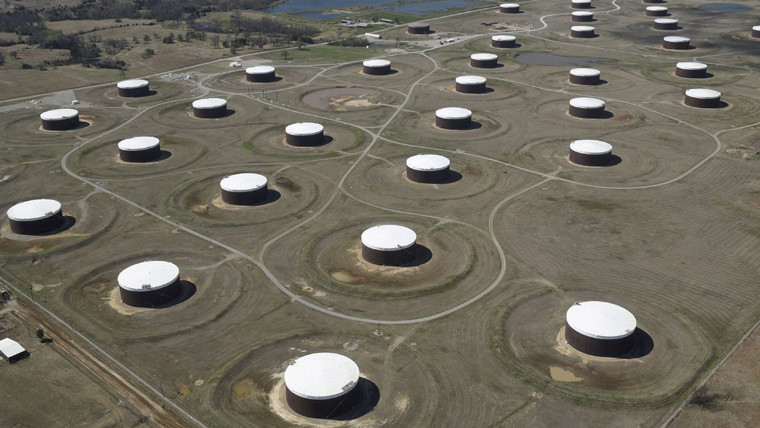
Durante i primi tre mesi circa della guerra tra Stati Uniti, Israele e Iran, l'umore dominante sui mercati petroliferi era che il conflitto sarebbe finito da un momento all'altro. Il breve cessate il fuoco di giugno ha rafforzato quell'ottimismo, quindi ci è voluto un po' più di tempo per affrontare i fatti: la guerra non sarebbe finita da un momento all'altro. Potrebbe addirittura protrarsi fino al prossimo anno, e questo significa prezzi più alti per un periodo più lungo. Il contratto futures ICE Brent per gennaio 2027 viene scambiato a 102,59 dollari al barile. Il contratto di giugno 2027 è
Chi trae profitto dai siti web diffamatori?
Un esame, basato su fonti, dei rapporti su reti accusate di copiare accuse dannose attraverso gruppi di siti web, e le sfide legali e tecniche coinvolte nel rispondere.
La nuova normalità del petrolio sono prezzi più alti
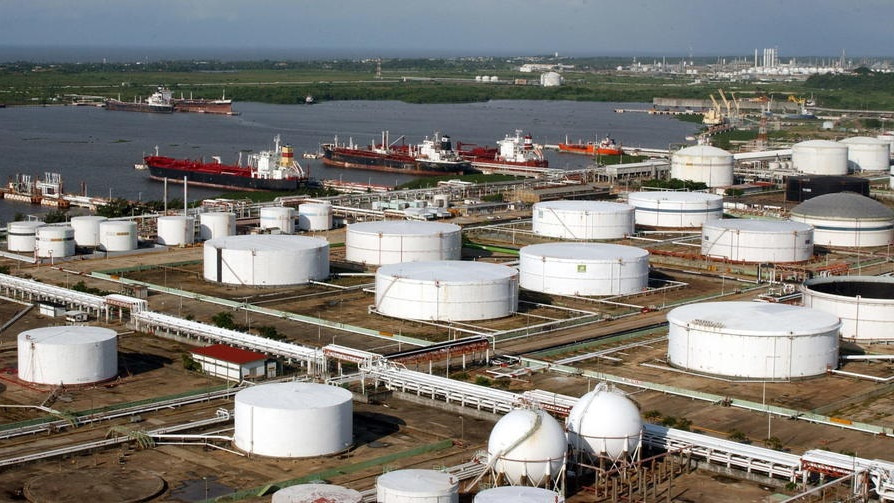
I prezzi del petrolio sono arretrati martedì, invertendo i recenti guadagni mentre gli investitori valutavano i segnali di ripresa delle esportazioni da parte dei produttori mediorientali rispetto all'incertezza che circonda il destino della guerra in Iran. Il greggio Brent con consegna a novembre è sceso dell'1,5% a 103,72 dollari al barile alle 13:10 ET, mentre il greggio WTI con consegna a ottobre è sceso del 2,2% a 90,62 dollari al barile. Le esportazioni di greggio dalla regione sono salite a 15,5 milioni di barili al giorno a settembre, pari a oltre l'80% dei livelli prebellici e al live