
Alkagesta Obtains ISCC CORSIA Certification for Sustainable Aviation Fuel
The new certification allows the biofuels firm to supply verified sustainable aviation fuel that meets international greenhouse gas reduction standards for airline compliance.

Alkagesta has secured ISCC CORSIA certification, a development that permits the company to engage in the trade and distribution of Sustainable Aviation Fuel (SAF). According to CCarbon Info, this credential verifies that the fuel products meet specific sustainability and lifecycle greenhouse gas reduction metrics established by the International Civil Aviation Organization (ICAO). The move comes as the global aviation industry enters a period of heightened scrutiny regarding emissions monitoring and regulatory adherence.
By obtaining this certification under an ICAO-approved framework, Alkagesta is now equipped to assist airlines in meeting their environmental mandates. The certification ensures that the fuel supplied is eligible under the Carbon Offsetting and Reduction Scheme for International Aviation (CORSIA). This structured approach to market participation is intended to provide airline counterparties with a reliable supply of SAF that has been vetted through a recognized international sustainability program.
Anthony Guida, a Biofuels Trader and Business Developer at Alkagesta, stated that the achievement highlights the firm's focus on "structured, compliant market participation." Guida noted that the certification establishes a transparent chain of custody and full traceability throughout the fuel supply chain. This transparency is critical for helping market participants adhere to both regional and international requirements for renewable fuel adoption in the aviation sector, according to the report.
The regulatory environment for aviation is becoming more stringent, particularly within Europe where initiatives like ReFuelEU Aviation have set mandatory blending targets for SAF. Furthermore, the European Union's Emissions Trading System is beginning to phase out free carbon allowances, increasing the financial necessity for airlines to utilize lower-carbon fuels. Alkagesta’s new certification aligns with these shifting market dynamics by providing a consistent framework for compliance across different global jurisdictions.
Dossier aziendale
Alkagesta
Alkagesta is a commodity trading company active in petroleum products, with a business built around fuel oil, gasoil and related refined products. Its activity spans physical supply, storage and the shipping arrangements required to move cargoes between refining centres and demand markets.
Tutta la copertura su Alkagesta →Helena Marsh — Energy Markets Editor. Helena covers crude, refined products and the trading houses that move them, with a focus on price formation in the Mediterranean and Black Sea.
Articoli correlati
Il Brent raggiunge i 114 dollari mentre gli attacchi degli Houthi minacciano le infrastrutture energetiche saudite
I prezzi del greggio si avviano a registrare un netto guadagno settimanale, con il Brent sulla buona strada per un incremento di circa 6 dollari al barile e il WTI che segna un rialzo molto più modesto, passando da circa 99 dollari al barile di lunedì a oltre 100 dollari all'inizio della giornata odierna. Al momento della stesura, il greggio Brent veniva scambiato a 114,00 dollari al barile e il West Texas Intermediate a 100,40 dollari al barile, mentre le ostilità in Medio Oriente rimangono in prima pagina per i trader petroliferi. L'attenzione, tuttavia, sembra concentrarsi sugli attacchi de
Perché Trump non può permettersi di perdere la corsa alle terre rare
Per anni, l'Occidente ha cercato una via d'uscita tecnologica dalle terre rare. Gli ingegneri hanno sviluppato nuovi design di motori, chimiche alternative per magneti e materiali che riducono o addirittura eliminano la necessità di alcuni minerali critici. Ogni volta che la Cina inasprisce i controlli sulle esportazioni, questi sforzi ricevono una nuova ondata di attenzione. Vale la pena perseguirli. Ma non rispondono alla domanda che i produttori devono risolvere oggi. La capacità produttiva è diventata la risorsa scarsa numero uno. Questa consapevolezza sta guidando uno dei più ambiziosi pr
I prodotti chimici del Medio Oriente mantengono il loro vantaggio di costo nonostante la crisi di Hormuz
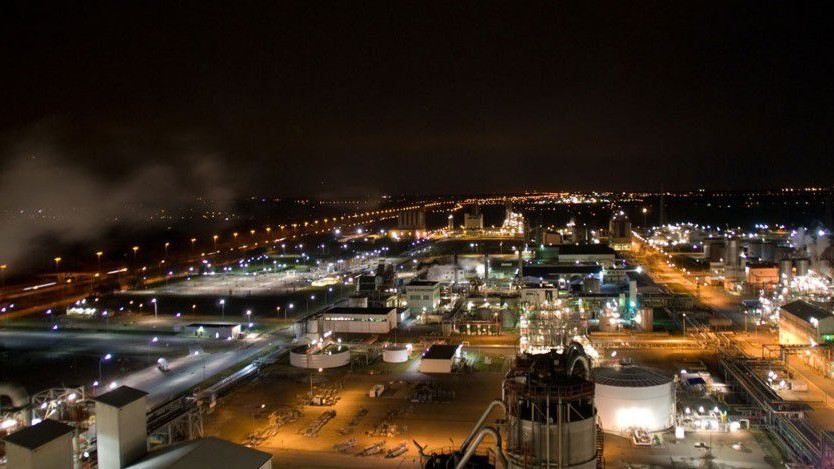
Nonostante la guerra in Iran e la crisi di Hormuz, la produzione chimica a basso costo del Medio Oriente è destinata a conservare il suo vantaggio a lungo termine rispetto ad altre regioni. Sono in corso cambiamenti a breve termine nell'approvvigionamento di polimeri a causa degli attuali vincoli nella base industriale del Golfo Persico, a vantaggio delle aziende chimiche statunitensi. Tuttavia, nel lungo periodo, il Medio Oriente probabilmente manterrà la sua base di acquirenti perché possiede ancora le due leve per essere competitivo sul mercato globale: un'ampia base produttiva e, soprattut