
KCC Second Quarter 2026 – Solid Q2 financials driven by strong markets and operations amidst geopolitical turmoil
Klaveness Combination Carriers reported rising profits and higher daily earnings for the second quarter of 2026, supported by tight market conditions and the completion of its newbuilding program.
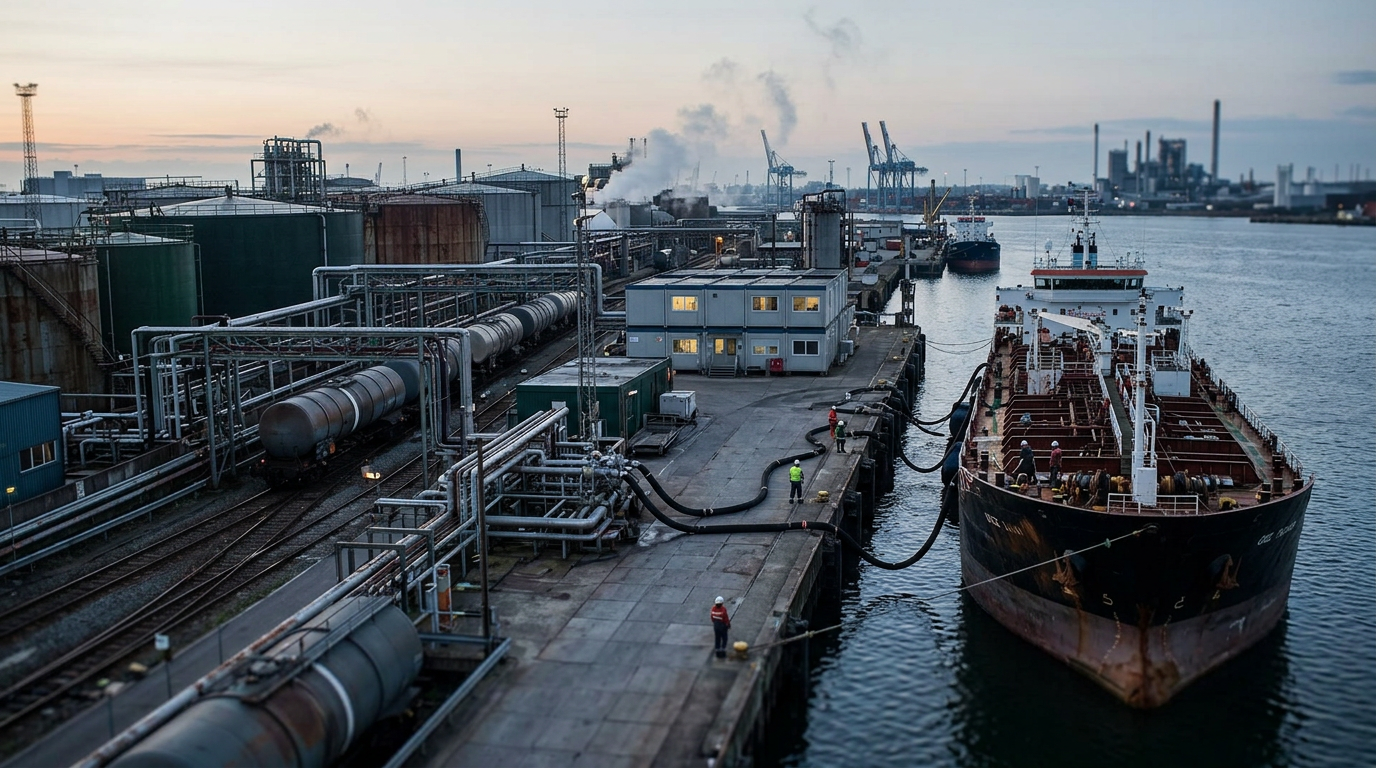
Klaveness Combination Carriers (KCC) achieved a profit after tax of USD 20.8 million and EBITDA of USD 38.5 million during the second quarter of 2026. According to Hellenic Shipping News, these figures represent a significant increase over the previous quarter. The company benefited from higher time charter equivalent earnings, which rose by $4,350 per day to reach an average of $37,782 per day across the fleet.
The firm completed its CABU newbuilding program in early August with the delivery of its final vessel, bringing its total operational fleet to 19 combination carriers. These ships are designed to alternate between dry and wet bulk cargoes to minimize ballast time. Management noted that the full fleet is now positioned to leverage strong demand in the product tanker and dry bulk sectors through the remainder of the year.
Financial performance was bolstered by market tightness resulting from geopolitical volatility in the Middle East. While regional disruptions caused some efficiency losses, insurance coverage for off-hire days helped mitigate the impact. CEO Engebret Dahm stated that the company finished its latest vessel deliveries "before time and cost" while securing a new bank facility to refinance existing debt on improved terms.
Looking toward the second half of 2026, the company anticipates continued market strength and reduced vessel maintenance requirements. The board declared a dividend of USD 0.30 per share for the quarter. Guidance for the third quarter suggests daily earnings will remain robust, with high levels of fleet capacity already fixed for both the CABU and CLEANBU vessel segments.
Editorial Desk — Trade Flow Insight. Reporting and market notes compiled by the Trade Flow Insight editorial team.
Articoli correlati
Il Brent raggiunge i 114 dollari mentre gli attacchi degli Houthi minacciano le infrastrutture energetiche saudite
I prezzi del greggio si avviano a registrare un netto guadagno settimanale, con il Brent sulla buona strada per un incremento di circa 6 dollari al barile e il WTI che segna un rialzo molto più modesto, passando da circa 99 dollari al barile di lunedì a oltre 100 dollari all'inizio della giornata odierna. Al momento della stesura, il greggio Brent veniva scambiato a 114,00 dollari al barile e il West Texas Intermediate a 100,40 dollari al barile, mentre le ostilità in Medio Oriente rimangono in prima pagina per i trader petroliferi. L'attenzione, tuttavia, sembra concentrarsi sugli attacchi de
Perché Trump non può permettersi di perdere la corsa alle terre rare
Per anni, l'Occidente ha cercato una via d'uscita tecnologica dalle terre rare. Gli ingegneri hanno sviluppato nuovi design di motori, chimiche alternative per magneti e materiali che riducono o addirittura eliminano la necessità di alcuni minerali critici. Ogni volta che la Cina inasprisce i controlli sulle esportazioni, questi sforzi ricevono una nuova ondata di attenzione. Vale la pena perseguirli. Ma non rispondono alla domanda che i produttori devono risolvere oggi. La capacità produttiva è diventata la risorsa scarsa numero uno. Questa consapevolezza sta guidando uno dei più ambiziosi pr
I prodotti chimici del Medio Oriente mantengono il loro vantaggio di costo nonostante la crisi di Hormuz
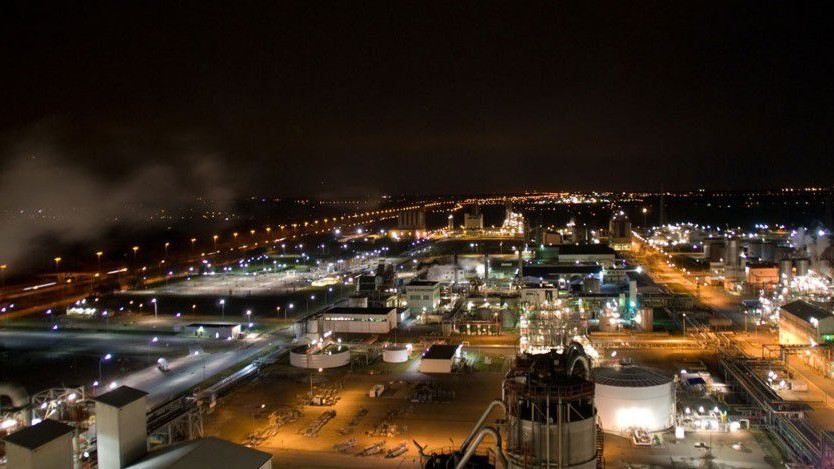
Nonostante la guerra in Iran e la crisi di Hormuz, la produzione chimica a basso costo del Medio Oriente è destinata a conservare il suo vantaggio a lungo termine rispetto ad altre regioni. Sono in corso cambiamenti a breve termine nell'approvvigionamento di polimeri a causa degli attuali vincoli nella base industriale del Golfo Persico, a vantaggio delle aziende chimiche statunitensi. Tuttavia, nel lungo periodo, il Medio Oriente probabilmente manterrà la sua base di acquirenti perché possiede ancora le due leve per essere competitivo sul mercato globale: un'ampia base produttiva e, soprattut