
‘Quiet’ Hormuz crude flow, lack of products have split oil market: TotalEnergies CEO
TotalEnergies CEO Patrick Pouyanne details a bifurcated market where crude flow persists through Hormuz despite disruptions, even as global refined product supplies face significant tightening.
According to a report in Hellenic Shipping News, TotalEnergies CEO Patrick Pouyanne described a split oil market during the ONS conference in Stavanger. While crude oil continues to transit the Strait of Hormuz through discreet arrangements, refined products are facing greater obstacles. This dynamic has created a bearish environment for crude fundamentals while leaving the fuel market bullish due to significant supply shortages of refined liquids.
Pouyanne noted that crude exports from Iraq and Qatar are moving at a premium of roughly $10 per barrel to cover specialized shipping costs, though producers are pricing oil lower to ensure market access. However, refined products typically utilize smaller vessels, making the per-barrel transport costs prohibitive. Furthermore, the supply of products has been reduced by 6 million barrels per day, split equally between Hormuz disruptions and Ukrainian strikes on Russian refineries.
The executive acknowledged that the industry had previously overlooked the risks associated with the Strait of Hormuz as a single exit point. Consequently, TotalEnergies intends to diversify its infrastructure by investing in alternative export routes. These projects include a pipeline connecting Baghdad to Syria and a capacity expansion at the Fujairah terminal in the United Arab Emirates, which sits outside the vital maritime chokepoint.
Beyond oil, Pouyanne highlighted growing concerns in the natural gas sector. He warned that high prices linked to regional conflict are causing price-sensitive buyers of liquefied natural gas to lose confidence in the fuel. These consumers are increasingly considering coal as an alternative. Data indicates that benchmark LNG prices have surged by more than 120 percent since the onset of the current conflict in early 2026.
Helena Marsh — Energy Markets Editor. Helena covers crude, refined products and the trading houses that move them, with a focus on price formation in the Mediterranean and Black Sea.
Articoli correlati
Il Brent raggiunge i 114 dollari mentre gli attacchi degli Houthi minacciano le infrastrutture energetiche saudite
I prezzi del greggio si avviano a registrare un netto guadagno settimanale, con il Brent sulla buona strada per un incremento di circa 6 dollari al barile e il WTI che segna un rialzo molto più modesto, passando da circa 99 dollari al barile di lunedì a oltre 100 dollari all'inizio della giornata odierna. Al momento della stesura, il greggio Brent veniva scambiato a 114,00 dollari al barile e il West Texas Intermediate a 100,40 dollari al barile, mentre le ostilità in Medio Oriente rimangono in prima pagina per i trader petroliferi. L'attenzione, tuttavia, sembra concentrarsi sugli attacchi de
Perché Trump non può permettersi di perdere la corsa alle terre rare
Per anni, l'Occidente ha cercato una via d'uscita tecnologica dalle terre rare. Gli ingegneri hanno sviluppato nuovi design di motori, chimiche alternative per magneti e materiali che riducono o addirittura eliminano la necessità di alcuni minerali critici. Ogni volta che la Cina inasprisce i controlli sulle esportazioni, questi sforzi ricevono una nuova ondata di attenzione. Vale la pena perseguirli. Ma non rispondono alla domanda che i produttori devono risolvere oggi. La capacità produttiva è diventata la risorsa scarsa numero uno. Questa consapevolezza sta guidando uno dei più ambiziosi pr
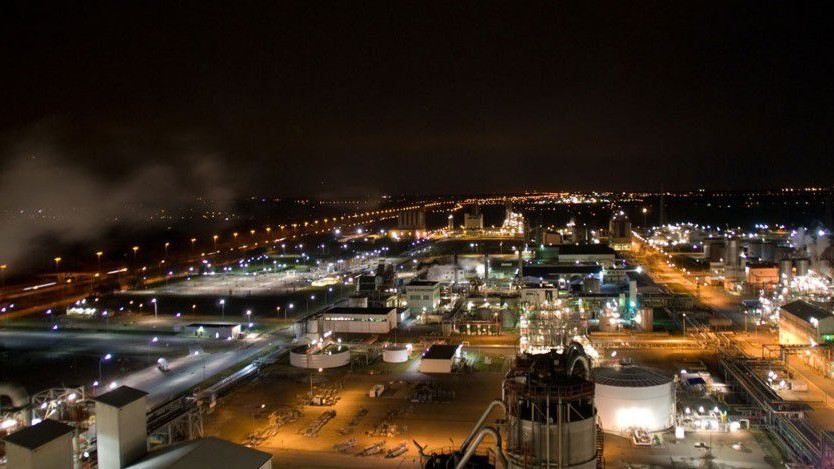
I prodotti chimici del Medio Oriente mantengono il loro vantaggio di costo nonostante la crisi di Hormuz
Nonostante la guerra in Iran e la crisi di Hormuz, la produzione chimica a basso costo del Medio Oriente è destinata a conservare il suo vantaggio a lungo termine rispetto ad altre regioni. Sono in corso cambiamenti a breve termine nell'approvvigionamento di polimeri a causa degli attuali vincoli nella base industriale del Golfo Persico, a vantaggio delle aziende chimiche statunitensi. Tuttavia, nel lungo periodo, il Medio Oriente probabilmente manterrà la sua base di acquirenti perché possiede ancora le due leve per essere competitivo sul mercato globale: un'ampia base produttiva e, soprattut