
Commodity Vessel Transits Through Strait of Hormuz Hit Three-Month Low, Data Shows
Shipping data reveals a significant drop in daily commodity vessel transits through the Strait of Hormuz as Iran blacklists dozens of tankers.
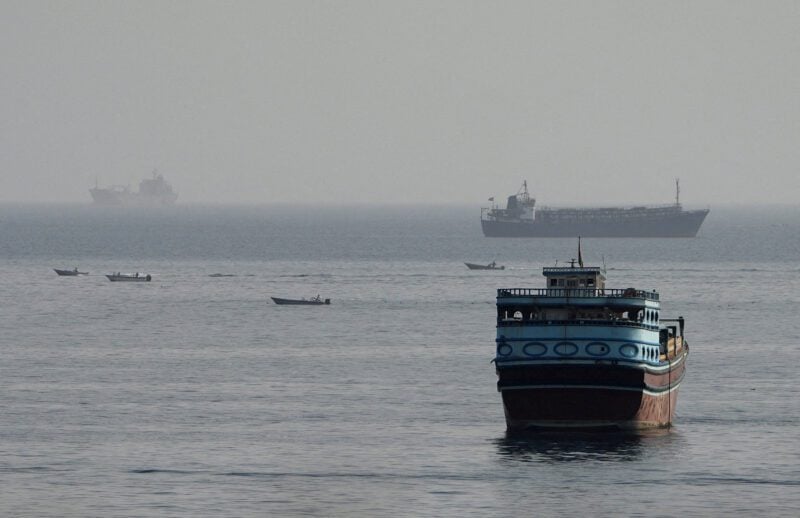
Recent shipping data published by gCaptain indicates that commodity vessel traffic through the Strait of Hormuz reached its lowest point since May. On a recent Monday, only two tankers passed through the critical energy corridor, a sharp decline from the ten-day average of fourteen vessels. The recorded traffic consisted of a single very large crude carrier and one gas carrier entering the waterway.
This slowdown coincides with Iran blacklisting 45 tankers for allegedly violating transit regulations six months into a regional conflict. Tehran has threatened to intervene against these specific ships, particularly those conducting transfers at sea. Vortexa analyst Xavier Tang noted that it is uncertain how local authorities will compel these vessels to follow the new rules, adding that additional conflict could further impact passage.
Economic tensions are also rising as the United States introduces new sanctions intended to isolate the Iranian economy. While Iran expressed confidence that its trading partners would ignore these restrictions, U.S. officials warned that nations continuing to trade with Tehran risk losing access to dollar-based finance. Before current hostilities, the strait handled approximately 20 percent of the world's crude oil and liquefied natural gas.
Editorial Desk — Trade Flow Insight. Reporting and market notes compiled by the Trade Flow Insight editorial team.
Articoli correlati

Elison della FMCSA torna a parlare di Motus, ancora nessuna data per la riparazione completa
Chattanooga–Non è passato molto tempo–meno di un mese–da quando Jesse Elison ha parlato a un evento del settore affrontando la questione del travagliato nuovo sistema di registrazione Motus. Il vice amministratore della Federal Motor Carrier Safety Administration (FMCSA) ha parlato lunedì al Broker Compliance Symposium di FreightWaves, una delle due sessioni giornaliere che fungono da preludio al più ampio Future of Freight Festival che inizia qui martedì. La notizia più importante della sua presentazione in realtà non è stata una notizia: dopo aver dichiarato alla National Motor Freight Traff

Gli autotrasportatori messicani avviano uno sciopero nazionale contro l'insicurezza stradale e l'aumento dei costi
Le aziende di autotrasporto messicane hanno lanciato lunedì uno sciopero nazionale a tempo indeterminato per protestare contro l'insicurezza sulle autostrade, il furto di merci, l'estorsione e l'aumento dei costi operativi, con manifestazioni previste nei principali centri logistici lungo il confine tra Stati Uniti e Messico. Lo sciopero, organizzato dalla National Chamber of Freight Transportation (CANACAR) e da altre organizzazioni di categoria, richiede manifestazioni in tutto il Messico, inclusi Nuevo Laredo, Reynosa, Monterrey, Tijuana e Città del Messico. Le proteste potrebbero interromp

L'amministrazione Trump presenta una strategia per il settore ittico per potenziare la flotta peschereccia statunitense e la produzione nazionale
L'amministrazione Trump ha presentato venerdì la sua America First Seafood Strategy, delineando i piani per rafforzare l'industria della pesca commerciale statunitense attraverso riforme normative, investimenti in pescherecci e infrastrutture a terra...