
ENGINE: East of Suez Fuel Availability Outlook
Bunker fuel supplies are tightening across major East of Suez hubs due to production shortages, refinery limits, and severe weather disruptions.
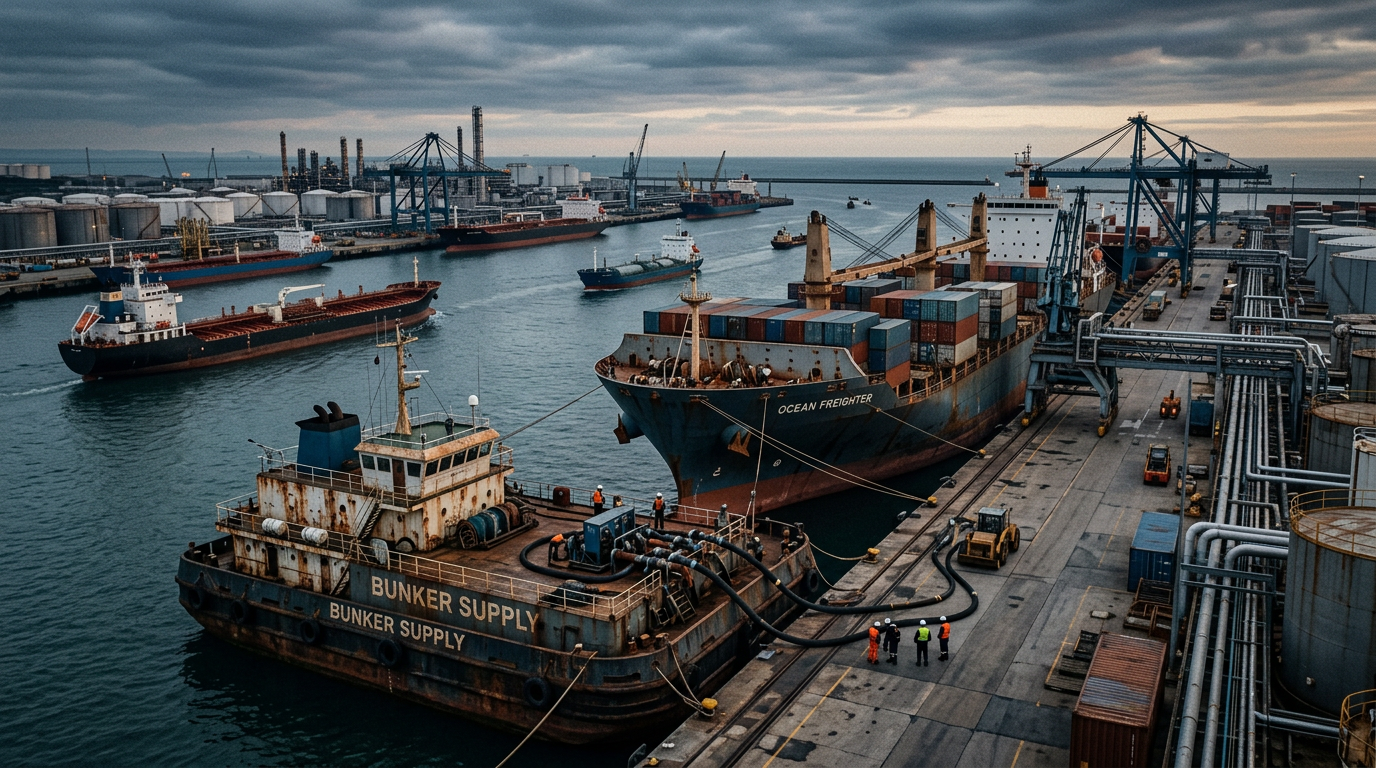
Singapore is experiencing significant pressure on fuel availability, with Very Low Sulphur Fuel Oil lead times stretching up to 19 days for some suppliers. According to Hellenic Shipping News, this tightening is caused by a drop in supply and a lack of necessary blending components. Port inventories have recently dipped below 19 million barrels, while stockpiles for other middle distillates have also trended lower this month.
Operations in East Asia face heavy disruptions from active cyclones and typhoons. Zhoushan has seen bunkering suspended at outer anchorages due to rough seas, creating backlogs that have pushed lead times to 10 days for all fuel grades. This regional instability has redirected buyers to South Korean ports, where increased demand has caused delivery windows to widen to as much as 11 days at western and southern hubs.
The supply outlook in Japan is described as severely constrained as refineries limit cargo releases following a recent period of high demand. Meanwhile, Middle Eastern hubs like Fujairah are dealing with tight availability for VLSFO and LSMGO amid regional geopolitical tensions. While Saudi Arabian ports remain steady, Egyptian hubs like Port Suez are reporting critically low inventories across all major conventional fuel categories.
In Oceania, bunker conditions remain varied. Western Australian ports report stable availability with roughly seven-day lead times, though pipeline deliveries at Dampier face an extended suspension for repairs. New Zealand ports currently maintain ready supply, but operational risks remain tied to local weather patterns. Throughout South Asia, including India and Sri Lanka, intermittent weather disruptions are expected to delay deliveries through the end of August.
Editorial Desk — Trade Flow Insight. Reporting and market notes compiled by the Trade Flow Insight editorial team.
Articoli correlati

Elison della FMCSA torna a parlare di Motus, ancora nessuna data per la riparazione completa
Chattanooga–Non è passato molto tempo–meno di un mese–da quando Jesse Elison ha parlato a un evento del settore affrontando la questione del travagliato nuovo sistema di registrazione Motus. Il vice amministratore della Federal Motor Carrier Safety Administration (FMCSA) ha parlato lunedì al Broker Compliance Symposium di FreightWaves, una delle due sessioni giornaliere che fungono da preludio al più ampio Future of Freight Festival che inizia qui martedì. La notizia più importante della sua presentazione in realtà non è stata una notizia: dopo aver dichiarato alla National Motor Freight Traff

Gli autotrasportatori messicani avviano uno sciopero nazionale contro l'insicurezza stradale e l'aumento dei costi
Le aziende di autotrasporto messicane hanno lanciato lunedì uno sciopero nazionale a tempo indeterminato per protestare contro l'insicurezza sulle autostrade, il furto di merci, l'estorsione e l'aumento dei costi operativi, con manifestazioni previste nei principali centri logistici lungo il confine tra Stati Uniti e Messico. Lo sciopero, organizzato dalla National Chamber of Freight Transportation (CANACAR) e da altre organizzazioni di categoria, richiede manifestazioni in tutto il Messico, inclusi Nuevo Laredo, Reynosa, Monterrey, Tijuana e Città del Messico. Le proteste potrebbero interromp

L'amministrazione Trump presenta una strategia per il settore ittico per potenziare la flotta peschereccia statunitense e la produzione nazionale
L'amministrazione Trump ha presentato venerdì la sua America First Seafood Strategy, delineando i piani per rafforzare l'industria della pesca commerciale statunitense attraverso riforme normative, investimenti in pescherecci e infrastrutture a terra...