
Freight Market Health: What 13.57% Rejections Mean
Truckload tender rejection rates have settled at 13.57%, signaling a stabilizing market that experts suggest represents a new baseline for tightness ahead of fourth-quarter volatility.
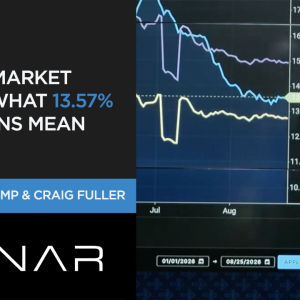
According to FreightWaves, truckload tender rejections have stabilized at approximately 13.57% following a seasonal peak that exceeded 17.5% in early July. This current level is being characterized by industry analysts as a healthy baseline rather than a sign of market fatigue. Data indicates a significant recovery from the start of the year, when rejection rates bottomed out at roughly 6% in January, suggesting the market has established a new floor for the current cycle.
During a recent SONAR data review, Craig Fuller noted that the threshold for market tightness has shifted. While brokers previously viewed an 8% rejection rate as a sign of a constrained market, that sentiment now applies to levels between 12% and 13%. At these current rates, intermediaries are seeing an increase in leverage with shippers. Despite the apparent stability, analysts expect upward pressure to return as the industry enters the final months of the year.
Market experts point to several seasonal factors that could drive rejection rates higher through the autumn. These include back-to-school shipping demands, a late Labor Day, and efforts by retailers to move West Coast imports early to mitigate inventory risks. Additionally, the industry is monitoring the impact of regulatory enforcement regarding driver licensing and English proficiency, which may affect year-over-year comparisons as the market approaches the one-year anniversary of these crackdowns.
Spot rates are already reflecting these shifting dynamics, showing a 7% increase in late August that recovered earlier monthly losses. Currently, accepted truckload volumes and total tender volumes are moving synchronously, creating a predictable environment for logistics planning. While carriers are successfully securing rate increases, shippers have not yet experienced significant service disruptions, providing a brief window for participants to balance their spot and contract freight allocations.
Editorial Desk — Trade Flow Insight. Reporting and market notes compiled by the Trade Flow Insight editorial team.
Articoli correlati

Elison della FMCSA torna a parlare di Motus, ancora nessuna data per la riparazione completa
Chattanooga–Non è passato molto tempo–meno di un mese–da quando Jesse Elison ha parlato a un evento del settore affrontando la questione del travagliato nuovo sistema di registrazione Motus. Il vice amministratore della Federal Motor Carrier Safety Administration (FMCSA) ha parlato lunedì al Broker Compliance Symposium di FreightWaves, una delle due sessioni giornaliere che fungono da preludio al più ampio Future of Freight Festival che inizia qui martedì. La notizia più importante della sua presentazione in realtà non è stata una notizia: dopo aver dichiarato alla National Motor Freight Traff

Gli autotrasportatori messicani avviano uno sciopero nazionale contro l'insicurezza stradale e l'aumento dei costi
Le aziende di autotrasporto messicane hanno lanciato lunedì uno sciopero nazionale a tempo indeterminato per protestare contro l'insicurezza sulle autostrade, il furto di merci, l'estorsione e l'aumento dei costi operativi, con manifestazioni previste nei principali centri logistici lungo il confine tra Stati Uniti e Messico. Lo sciopero, organizzato dalla National Chamber of Freight Transportation (CANACAR) e da altre organizzazioni di categoria, richiede manifestazioni in tutto il Messico, inclusi Nuevo Laredo, Reynosa, Monterrey, Tijuana e Città del Messico. Le proteste potrebbero interromp

L'amministrazione Trump presenta una strategia per il settore ittico per potenziare la flotta peschereccia statunitense e la produzione nazionale
L'amministrazione Trump ha presentato venerdì la sua America First Seafood Strategy, delineando i piani per rafforzare l'industria della pesca commerciale statunitense attraverso riforme normative, investimenti in pescherecci e infrastrutture a terra...