
How long can the million-dollar VLCC market last?
Extremely high VLCC earnings and soaring secondhand values are driving a debate among analysts regarding the longevity of current market disruption.
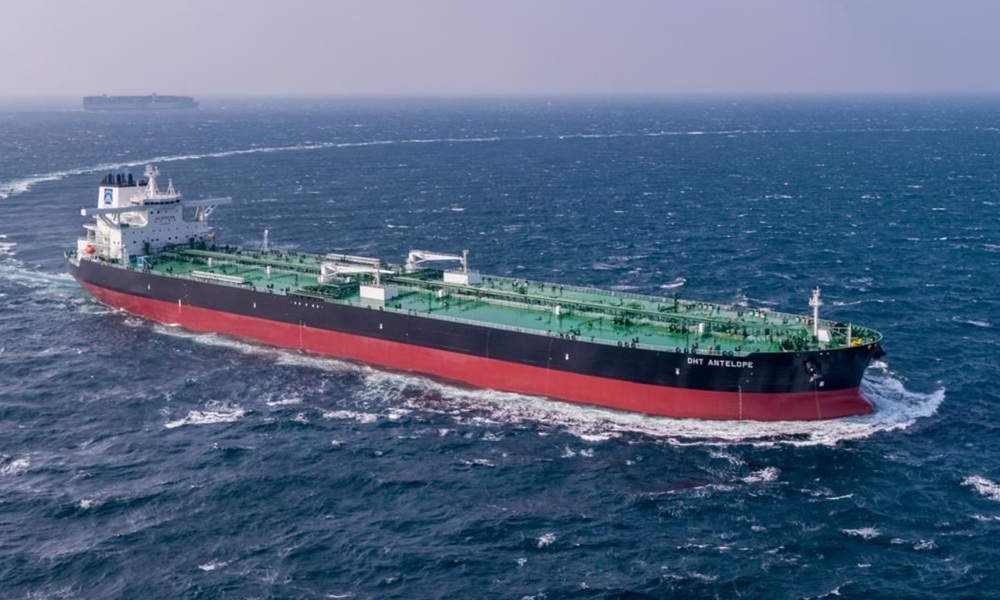
According to Splash 247, the VLCC sector has reached unprecedented levels, with spot earnings for Middle East to China routes exceeding $1 million daily. The intensity of the current market is reflected in the secondhand sector, where fifteen-year-old vessels are reportedly selling for higher prices than newbuild orders. This surge has split market observers into two camps: those who see a temporary spike and those who anticipate a prolonged era of high returns.
Morgan Stanley and BRS suggest that structural changes in global trade could support elevated earnings through 2027. Factors such as longer voyage distances, an aging global fleet, and the use of vessels for floating storage are restricting effective ship supply. BRS notes that roughly 15% of the mainstream VLCC fleet is currently occupied with Middle East shuttle duties, while Gibson observes that ship-to-ship transfers and increased waiting times are absorbing significant capacity despite lower crude volumes.
However, some analysts warn that these record-breaking rates may trigger their own decline. Breakwave Advisors points to a heavy vessel orderbook, with 177 VLCCs scheduled for delivery between 2026 and 2028, which could eventually lead to an industry downcycle. Additionally, Gibson highlights that high freight costs are already causing some shippers to switch to smaller Suezmax vessels, creating a risk of permanent demand destruction if pricing remains at these extremes.
While the bullish outlook relies on continued geopolitical disruption and inventory rebuilding, the bearish case focuses on the eventual normalization of the market. Even optimistic firms like BRS expect earnings to retreat from their current peaks by 2028, though they suggest the floor for this cycle will remain historically high. The market currently faces a tension between shrinking effective supply and the inevitable arrival of new tonnage.
Helena Marsh — Energy Markets Editor. Helena covers crude, refined products and the trading houses that move them, with a focus on price formation in the Mediterranean and Black Sea.
Articoli correlati

Elison della FMCSA torna a parlare di Motus, ancora nessuna data per la riparazione completa
Chattanooga–Non è passato molto tempo–meno di un mese–da quando Jesse Elison ha parlato a un evento del settore affrontando la questione del travagliato nuovo sistema di registrazione Motus. Il vice amministratore della Federal Motor Carrier Safety Administration (FMCSA) ha parlato lunedì al Broker Compliance Symposium di FreightWaves, una delle due sessioni giornaliere che fungono da preludio al più ampio Future of Freight Festival che inizia qui martedì. La notizia più importante della sua presentazione in realtà non è stata una notizia: dopo aver dichiarato alla National Motor Freight Traff

Gli autotrasportatori messicani avviano uno sciopero nazionale contro l'insicurezza stradale e l'aumento dei costi
Le aziende di autotrasporto messicane hanno lanciato lunedì uno sciopero nazionale a tempo indeterminato per protestare contro l'insicurezza sulle autostrade, il furto di merci, l'estorsione e l'aumento dei costi operativi, con manifestazioni previste nei principali centri logistici lungo il confine tra Stati Uniti e Messico. Lo sciopero, organizzato dalla National Chamber of Freight Transportation (CANACAR) e da altre organizzazioni di categoria, richiede manifestazioni in tutto il Messico, inclusi Nuevo Laredo, Reynosa, Monterrey, Tijuana e Città del Messico. Le proteste potrebbero interromp

L'amministrazione Trump presenta una strategia per il settore ittico per potenziare la flotta peschereccia statunitense e la produzione nazionale
L'amministrazione Trump ha presentato venerdì la sua America First Seafood Strategy, delineando i piani per rafforzare l'industria della pesca commerciale statunitense attraverso riforme normative, investimenti in pescherecci e infrastrutture a terra...