
In-depth Suezmax study makes CAPEX case for T-BOSS® sterntubeless shaftline system
A study of Suezmax tankers indicates that Thordon Bearings’ T-BOSS shaftline system offers lower capital expenditures and greater design flexibility compared to oil-lubricated setups.
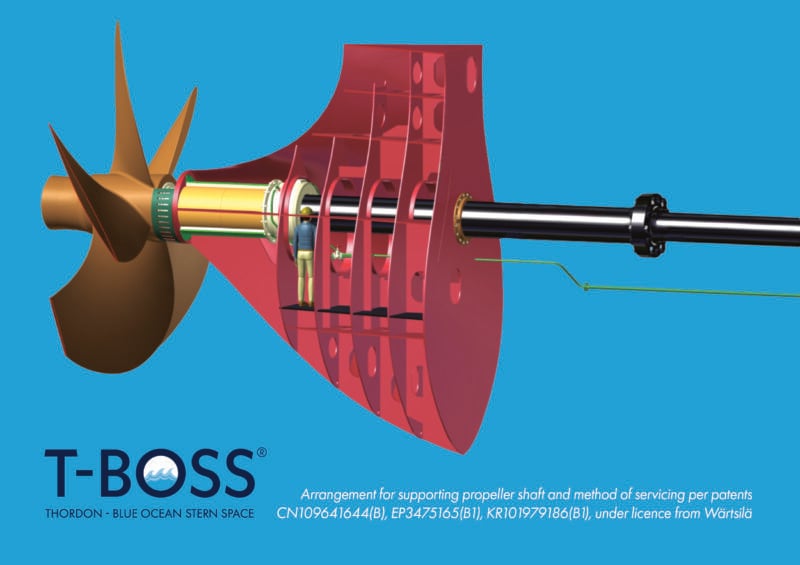
A recent evaluation conducted by Hydrus Engineering and reported by gCaptain highlights the financial and logistical advantages of adopting the T-BOSS sterntubeless shaftline. The study utilized data from a 274-meter Suezmax tanker to compare conventional oil-based systems against seawater-lubricated alternatives. Findings suggest that shipbuilders can reduce labor and installation expenses while gaining significant design flexibility due to a shorter shaft requirements. The research indicates that the system creates approximately 660 cubic meters of additional cargo volume. This extra room allows naval architects to reposition engines or install shaft generators, potentially aiding in carbon credit acquisition. The study notes that these technical advantages allow designers to "enhance layout flexibility at the early newbuild design stage" while simultaneously offering a more efficient stern arrangement to prospective vessel owners. Operating costs are also impacted by the removal of sterntube lubricating oil. Eliminating initial oil purchases and yearly lubricant expenses provides significant savings, while lower friction in polymer bearings further reduces annual fuel costs. Additionally, the system simplifies maintenance by allowing for bearing inspections and replacements while the vessel remains afloat, removing the immediate necessity for drydocking and lowering overall lifecycle expenditures. The T-BOSS solution was a collaborative development involving Thordon Bearings, Wärtsilä, the National Technical University of Athens, and the Shanghai Merchant Ship Design and Research Institute. By removing the risk of oil leakage, the system helps operators meet international environmental mandates without the need for specialized lubricants, positioning the technology as a safer and more economical choice for modern maritime logistics.
Editorial Desk — Trade Flow Insight. Reporting and market notes compiled by the Trade Flow Insight editorial team.
Articoli correlati

Elison della FMCSA torna a parlare di Motus, ancora nessuna data per la riparazione completa
Chattanooga–Non è passato molto tempo–meno di un mese–da quando Jesse Elison ha parlato a un evento del settore affrontando la questione del travagliato nuovo sistema di registrazione Motus. Il vice amministratore della Federal Motor Carrier Safety Administration (FMCSA) ha parlato lunedì al Broker Compliance Symposium di FreightWaves, una delle due sessioni giornaliere che fungono da preludio al più ampio Future of Freight Festival che inizia qui martedì. La notizia più importante della sua presentazione in realtà non è stata una notizia: dopo aver dichiarato alla National Motor Freight Traff

Gli autotrasportatori messicani avviano uno sciopero nazionale contro l'insicurezza stradale e l'aumento dei costi
Le aziende di autotrasporto messicane hanno lanciato lunedì uno sciopero nazionale a tempo indeterminato per protestare contro l'insicurezza sulle autostrade, il furto di merci, l'estorsione e l'aumento dei costi operativi, con manifestazioni previste nei principali centri logistici lungo il confine tra Stati Uniti e Messico. Lo sciopero, organizzato dalla National Chamber of Freight Transportation (CANACAR) e da altre organizzazioni di categoria, richiede manifestazioni in tutto il Messico, inclusi Nuevo Laredo, Reynosa, Monterrey, Tijuana e Città del Messico. Le proteste potrebbero interromp

L'amministrazione Trump presenta una strategia per il settore ittico per potenziare la flotta peschereccia statunitense e la produzione nazionale
L'amministrazione Trump ha presentato venerdì la sua America First Seafood Strategy, delineando i piani per rafforzare l'industria della pesca commerciale statunitense attraverso riforme normative, investimenti in pescherecci e infrastrutture a terra...