
Iran and Oman Unveil Framework for Future Management of Strait of Hormuz
Tehran and Muscat announce a cooperative framework to manage the strategic waterway through phased navigation corridors and joint mine-clearing operations.
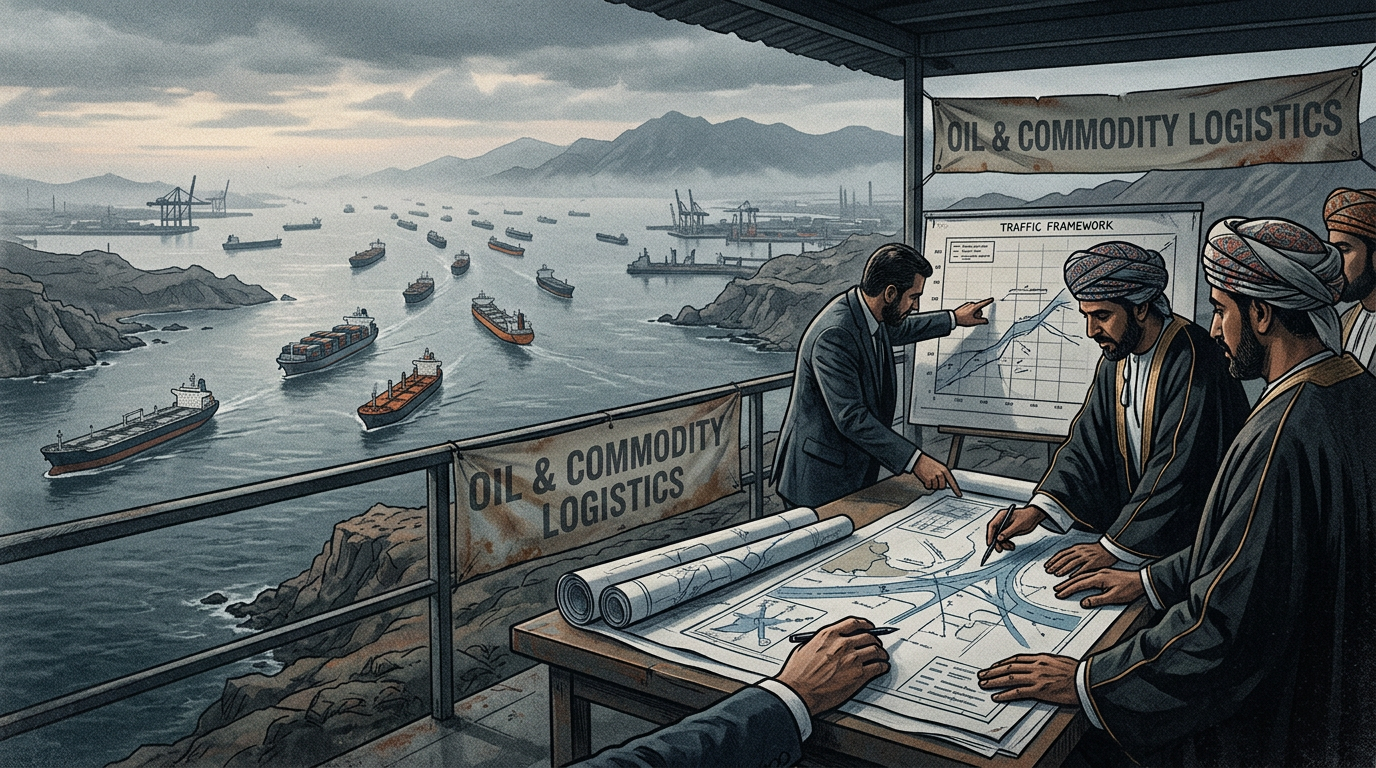
Officials from Iran and Oman have established a new framework aimed at restoring maritime safety in the Strait of Hormuz following half a year of shipping disruptions. According to gCaptain, the plan involves the creation of a temporary transit corridor and a bilateral project to remove mines from the waterway. The agreement follows diplomatic discussions in Tehran between the foreign ministers of both nations.
Beyond immediate safety measures, the two countries intend to negotiate a permanent administrative structure for the Strait. Future talks are expected to address traffic management, security services, and data sharing between regional states. This initiative aligns with prior agreements regarding the future administration of the channel, though it specifies that any new arrangements must adhere to international law and protect coastal sovereignty.
The shipping industry remains cautious regarding the implications of the term “future administration” for transit rights. While the United States government reported that international waters in the area have been cleared of explosives, maritime advisory groups warn that risks from drifting mines persist. The joint Omani-Iranian effort seeks to address these technical and military obstacles to ensure the full resumption of commercial traffic.
Editorial Desk — Trade Flow Insight. Reporting and market notes compiled by the Trade Flow Insight editorial team.
Articoli correlati

Elison della FMCSA torna a parlare di Motus, ancora nessuna data per la riparazione completa
Chattanooga–Non è passato molto tempo–meno di un mese–da quando Jesse Elison ha parlato a un evento del settore affrontando la questione del travagliato nuovo sistema di registrazione Motus. Il vice amministratore della Federal Motor Carrier Safety Administration (FMCSA) ha parlato lunedì al Broker Compliance Symposium di FreightWaves, una delle due sessioni giornaliere che fungono da preludio al più ampio Future of Freight Festival che inizia qui martedì. La notizia più importante della sua presentazione in realtà non è stata una notizia: dopo aver dichiarato alla National Motor Freight Traff

Gli autotrasportatori messicani avviano uno sciopero nazionale contro l'insicurezza stradale e l'aumento dei costi
Le aziende di autotrasporto messicane hanno lanciato lunedì uno sciopero nazionale a tempo indeterminato per protestare contro l'insicurezza sulle autostrade, il furto di merci, l'estorsione e l'aumento dei costi operativi, con manifestazioni previste nei principali centri logistici lungo il confine tra Stati Uniti e Messico. Lo sciopero, organizzato dalla National Chamber of Freight Transportation (CANACAR) e da altre organizzazioni di categoria, richiede manifestazioni in tutto il Messico, inclusi Nuevo Laredo, Reynosa, Monterrey, Tijuana e Città del Messico. Le proteste potrebbero interromp

L'amministrazione Trump presenta una strategia per il settore ittico per potenziare la flotta peschereccia statunitense e la produzione nazionale
L'amministrazione Trump ha presentato venerdì la sua America First Seafood Strategy, delineando i piani per rafforzare l'industria della pesca commerciale statunitense attraverso riforme normative, investimenti in pescherecci e infrastrutture a terra...