
Iran’s bottleneck is Hormuz, not the buyer
Iranian crude supplies in Asian waters reached 46 million barrels following a brief U.S. sanctions waiver, as storage levels defied broader regional trends.
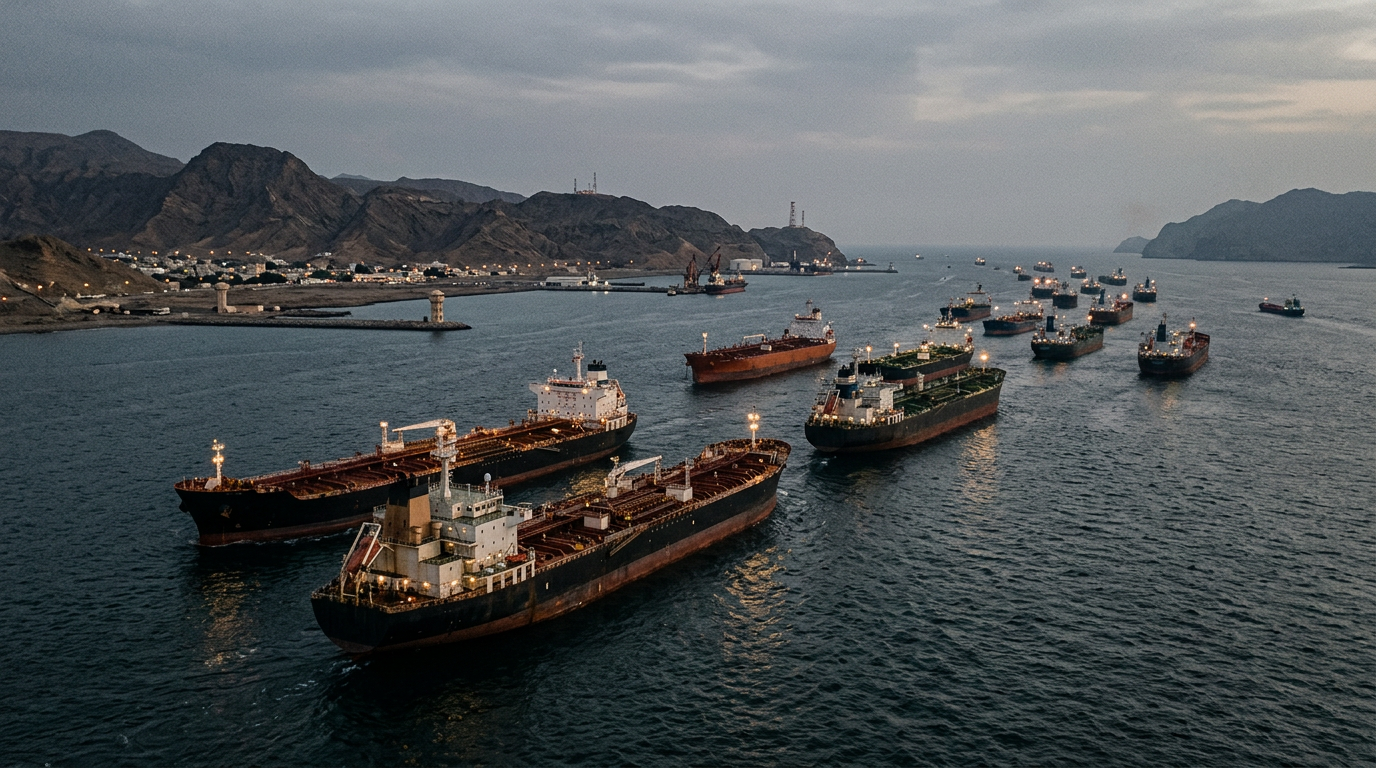
Iranian crude oil volumes sitting in Asian maritime zones have returned to peak levels, totaling 46 million barrels by the end of July. According to Hellenic Shipping News, this accumulation occurred despite a 23.6% decline in total crude on the water across the region between January and July. The surge was accelerated by a three-week sanctions waiver that finalized a refill process already underway since February, contrasting sharply with broader market contractions.
Logistical data indicates that the primary constraint for these supplies is the Strait of Hormuz rather than a lack of market demand. Currently, 76.9 million barrels of Iranian oil are situated across the Gulf region, distributed between the Gulf of Oman and areas west of the strait. Large vessels, particularly Very Large Crude Carriers, dominate the fleet west of the bottleneck, carrying parcels that average 1.77 million barrels as they wait for transit.
Recent shifts in the floating-to-transit ratio suggest that available barrels are being processed as ship-to-ship redistributions rather than static bulk storage. In August, volumes held within Chinese zones dropped by 45%, signaling the first significant discharge of the year. Analysts expect refiners to continue drawing down these commercial inventories over the coming months to bridge feedstock gaps, especially since these nearby supplies can reach Chinese berths in roughly one week.
Editorial Desk — Trade Flow Insight. Reporting and market notes compiled by the Trade Flow Insight editorial team.
Articoli correlati

Elison della FMCSA torna a parlare di Motus, ancora nessuna data per la riparazione completa
Chattanooga–Non è passato molto tempo–meno di un mese–da quando Jesse Elison ha parlato a un evento del settore affrontando la questione del travagliato nuovo sistema di registrazione Motus. Il vice amministratore della Federal Motor Carrier Safety Administration (FMCSA) ha parlato lunedì al Broker Compliance Symposium di FreightWaves, una delle due sessioni giornaliere che fungono da preludio al più ampio Future of Freight Festival che inizia qui martedì. La notizia più importante della sua presentazione in realtà non è stata una notizia: dopo aver dichiarato alla National Motor Freight Traff

Gli autotrasportatori messicani avviano uno sciopero nazionale contro l'insicurezza stradale e l'aumento dei costi
Le aziende di autotrasporto messicane hanno lanciato lunedì uno sciopero nazionale a tempo indeterminato per protestare contro l'insicurezza sulle autostrade, il furto di merci, l'estorsione e l'aumento dei costi operativi, con manifestazioni previste nei principali centri logistici lungo il confine tra Stati Uniti e Messico. Lo sciopero, organizzato dalla National Chamber of Freight Transportation (CANACAR) e da altre organizzazioni di categoria, richiede manifestazioni in tutto il Messico, inclusi Nuevo Laredo, Reynosa, Monterrey, Tijuana e Città del Messico. Le proteste potrebbero interromp

L'amministrazione Trump presenta una strategia per il settore ittico per potenziare la flotta peschereccia statunitense e la produzione nazionale
L'amministrazione Trump ha presentato venerdì la sua America First Seafood Strategy, delineando i piani per rafforzare l'industria della pesca commerciale statunitense attraverso riforme normative, investimenti in pescherecci e infrastrutture a terra...