
Trans-Pacific shippers ‘leaving money on the table,’ says analyst
Xeneta analysis suggests trans-Pacific importers could achieve major cost reductions by rerouting cargo through U.S. West Coast gateways as price gaps with East Coast routes widen.
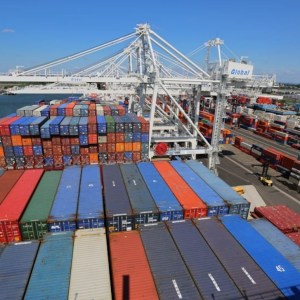
According to reporting by FreightWaves, cargo owners may be overlooking substantial savings by favoring East Coast ports over West Coast alternatives. Xeneta Chief Analyst Peter Sand notes that despite the need for additional rail or truck transport to reach inland destinations, the current price discrepancy makes Pacific gateways a financially superior choice for those with flexible logistics chains.
Data from the week of August 21 shows that shipping a forty-foot equivalent unit from Asia to the U.S. East Coast now costs $10,527, while rates to the West Coast sit at $7,193. This price gap of $3,334 is now larger than the entire cost of shipping a container to either coast prior to the onset of the Middle East crisis in late February.
Market volatility in the U.S. persists as carriers capitalize on robust demand and reduced sailing schedules, pushing East Coast spot rates up nearly 300% from pre-crisis levels. Additional disruptions, including typhoon-related congestion at Asian hubs, continue to impact schedule reliability and pricing structures across the trans-Pacific trade lane.
Sand suggests that shippers look to the European market for leverage, as rates into the Mediterranean and North Europe have begun to soften. He observes that while U.S. rates remain on an upward trajectory, the cooling European market indicates that "carriers are not invincible" and provides a potential framework for importers to negotiate more favorable terms.
Editorial Desk — Trade Flow Insight. Reporting and market notes compiled by the Trade Flow Insight editorial team.
Articoli correlati

Elison della FMCSA torna a parlare di Motus, ancora nessuna data per la riparazione completa
Chattanooga–Non è passato molto tempo–meno di un mese–da quando Jesse Elison ha parlato a un evento del settore affrontando la questione del travagliato nuovo sistema di registrazione Motus. Il vice amministratore della Federal Motor Carrier Safety Administration (FMCSA) ha parlato lunedì al Broker Compliance Symposium di FreightWaves, una delle due sessioni giornaliere che fungono da preludio al più ampio Future of Freight Festival che inizia qui martedì. La notizia più importante della sua presentazione in realtà non è stata una notizia: dopo aver dichiarato alla National Motor Freight Traff

Gli autotrasportatori messicani avviano uno sciopero nazionale contro l'insicurezza stradale e l'aumento dei costi
Le aziende di autotrasporto messicane hanno lanciato lunedì uno sciopero nazionale a tempo indeterminato per protestare contro l'insicurezza sulle autostrade, il furto di merci, l'estorsione e l'aumento dei costi operativi, con manifestazioni previste nei principali centri logistici lungo il confine tra Stati Uniti e Messico. Lo sciopero, organizzato dalla National Chamber of Freight Transportation (CANACAR) e da altre organizzazioni di categoria, richiede manifestazioni in tutto il Messico, inclusi Nuevo Laredo, Reynosa, Monterrey, Tijuana e Città del Messico. Le proteste potrebbero interromp

L'amministrazione Trump presenta una strategia per il settore ittico per potenziare la flotta peschereccia statunitense e la produzione nazionale
L'amministrazione Trump ha presentato venerdì la sua America First Seafood Strategy, delineando i piani per rafforzare l'industria della pesca commerciale statunitense attraverso riforme normative, investimenti in pescherecci e infrastrutture a terra...