
Trucking Downturn: Why 85% of New Carriers Didn’t Survive
A prolonged trucking downturn resulted in an 85% failure rate for new motor carriers as inflated equipment costs and falling rates crippled small operators.
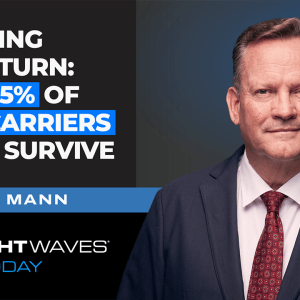
Recent industry data highlights a severe contraction in the for-hire trucking sector, where 85% of motor carriers with less than two years of experience failed during the latest market cycle. Kirk Mann of Mitsubishi HC Capital America explained in a FreightWaves interview that this three-and-a-half-year downturn was defined by an unprecedented equipment bubble. Many small operators entered the market by financing used trucks at prices nearly triple their historical values, leaving them with unsustainable debt when freight rates eventually corrected. Lenders have responded to the resulting defaults by utilizing loan restructurings rather than immediate repossessions to manage inventory levels. While major fleets have maintained relatively stable balance sheets, smaller operators now face financing rates as high as 12% or more. This financial pressure, combined with high interest rates and the requirement for larger down payments, has shifted mid-sized carriers toward alternative capital sources as traditional banks tighten their liquidity requirements for the transportation sector. The current market recovery remains fragile and dependent on a significant rebound in freight demand. Although spot rates have shown signs of stabilizing and rejection rates are rising, carriers are hesitant to expand or replace aging equipment until volume increases. Mann noted that while the industry is entering a growth phase, the recovery is uneven, and stakeholders are waiting for "the demand of freight to increase" before committing to new fleet investments or large-scale equipment orders.
Editorial Desk — Trade Flow Insight. Reporting and market notes compiled by the Trade Flow Insight editorial team.
Articoli correlati

Elison della FMCSA torna a parlare di Motus, ancora nessuna data per la riparazione completa
Chattanooga–Non è passato molto tempo–meno di un mese–da quando Jesse Elison ha parlato a un evento del settore affrontando la questione del travagliato nuovo sistema di registrazione Motus. Il vice amministratore della Federal Motor Carrier Safety Administration (FMCSA) ha parlato lunedì al Broker Compliance Symposium di FreightWaves, una delle due sessioni giornaliere che fungono da preludio al più ampio Future of Freight Festival che inizia qui martedì. La notizia più importante della sua presentazione in realtà non è stata una notizia: dopo aver dichiarato alla National Motor Freight Traff

Gli autotrasportatori messicani avviano uno sciopero nazionale contro l'insicurezza stradale e l'aumento dei costi
Le aziende di autotrasporto messicane hanno lanciato lunedì uno sciopero nazionale a tempo indeterminato per protestare contro l'insicurezza sulle autostrade, il furto di merci, l'estorsione e l'aumento dei costi operativi, con manifestazioni previste nei principali centri logistici lungo il confine tra Stati Uniti e Messico. Lo sciopero, organizzato dalla National Chamber of Freight Transportation (CANACAR) e da altre organizzazioni di categoria, richiede manifestazioni in tutto il Messico, inclusi Nuevo Laredo, Reynosa, Monterrey, Tijuana e Città del Messico. Le proteste potrebbero interromp

L'amministrazione Trump presenta una strategia per il settore ittico per potenziare la flotta peschereccia statunitense e la produzione nazionale
L'amministrazione Trump ha presentato venerdì la sua America First Seafood Strategy, delineando i piani per rafforzare l'industria della pesca commerciale statunitense attraverso riforme normative, investimenti in pescherecci e infrastrutture a terra...