
Turning policy into steel. Turning vision into ships
The U.S. Maritime Administration and CORE POWER have established a new cooperation framework to develop a domestic fleet of nuclear-powered merchant vessels.
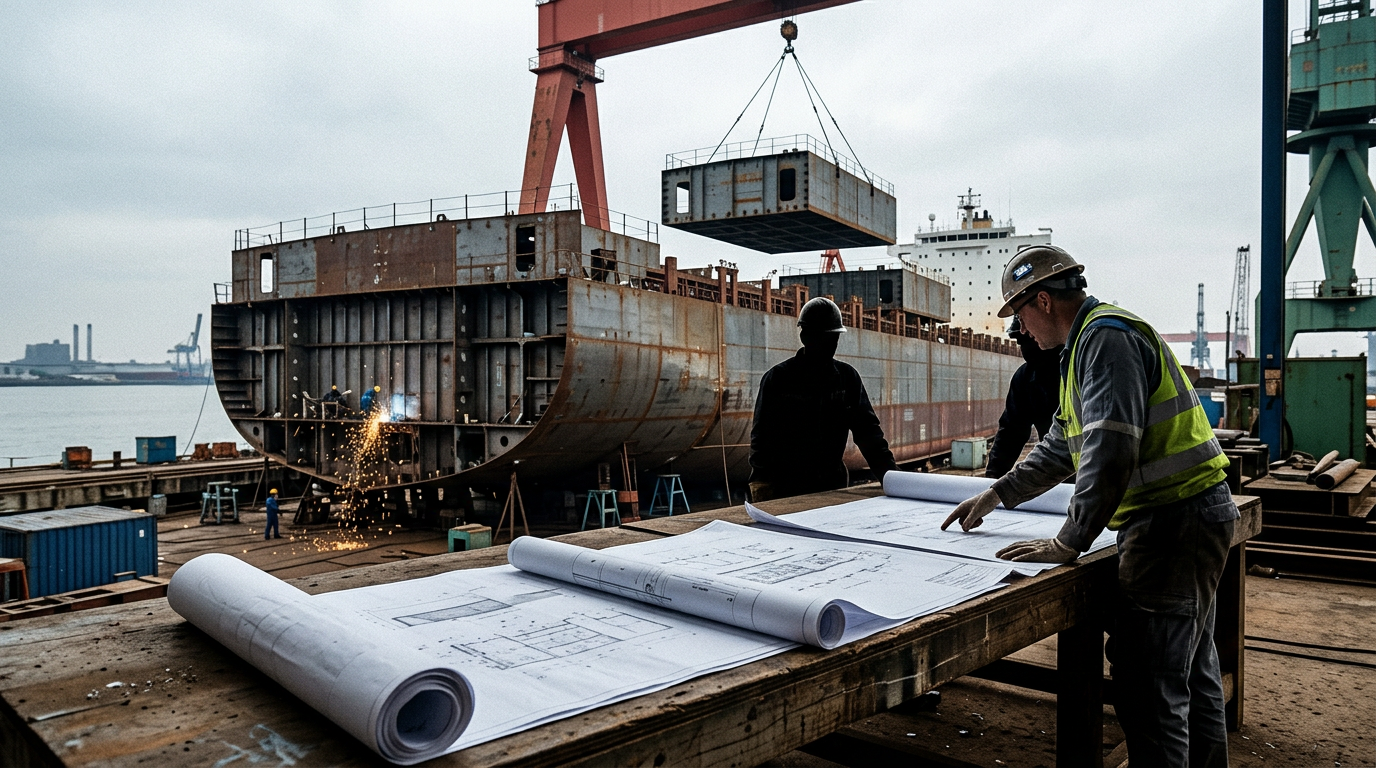
The United States Maritime Administration and CORE POWER (US) Inc. have entered into a formal cooperation agreement to develop a commercial pathway for nuclear-powered merchant ships. According to Hellenic Shipping News, this federal-private partnership aims to establish the regulatory and industrial infrastructure required for a U.S.-flagged nuclear fleet. The initiative is part of a broader strategy to revitalize the American maritime sector and regain global competitiveness.
The program is designed to counter the maritime dominance of China, which is currently investing in nuclear manufacturing and merchant ship concepts. CORE POWER intends to begin construction on these specialized vessels by 2028. To accelerate production, the plan involves utilizing shipbuilding capacity from allies in Japan and Korea for conventional hulls while focusing high-end nuclear integration and lifecycle support within the United States.
Nuclear propulsion offers significant operational advantages over traditional vessels by providing high power for several years without refueling and eliminating engine emissions. Maritime Administrator Stephen M. Carmel noted that this technology represents a major commercial opportunity that requires a complete system that is "safe, secure, licensable, and investable." This framework will address challenges regarding port operations, insurance, and workforce credentialing.
A dedicated domestic shipyard is planned to handle the installation of reactors, fueling, and long-term maintenance. This facility is expected to strengthen the broader industrial base by expanding the supply chain and the number of qualified nuclear engineers. The agreement aligns with the current administration's Maritime Action Plan to mobilize private investment and ensure national energy and maritime security.
Editorial Desk — Trade Flow Insight. Reporting and market notes compiled by the Trade Flow Insight editorial team.
Articoli correlati

Elison della FMCSA torna a parlare di Motus, ancora nessuna data per la riparazione completa
Chattanooga–Non è passato molto tempo–meno di un mese–da quando Jesse Elison ha parlato a un evento del settore affrontando la questione del travagliato nuovo sistema di registrazione Motus. Il vice amministratore della Federal Motor Carrier Safety Administration (FMCSA) ha parlato lunedì al Broker Compliance Symposium di FreightWaves, una delle due sessioni giornaliere che fungono da preludio al più ampio Future of Freight Festival che inizia qui martedì. La notizia più importante della sua presentazione in realtà non è stata una notizia: dopo aver dichiarato alla National Motor Freight Traff

Gli autotrasportatori messicani avviano uno sciopero nazionale contro l'insicurezza stradale e l'aumento dei costi
Le aziende di autotrasporto messicane hanno lanciato lunedì uno sciopero nazionale a tempo indeterminato per protestare contro l'insicurezza sulle autostrade, il furto di merci, l'estorsione e l'aumento dei costi operativi, con manifestazioni previste nei principali centri logistici lungo il confine tra Stati Uniti e Messico. Lo sciopero, organizzato dalla National Chamber of Freight Transportation (CANACAR) e da altre organizzazioni di categoria, richiede manifestazioni in tutto il Messico, inclusi Nuevo Laredo, Reynosa, Monterrey, Tijuana e Città del Messico. Le proteste potrebbero interromp

L'amministrazione Trump presenta una strategia per il settore ittico per potenziare la flotta peschereccia statunitense e la produzione nazionale
L'amministrazione Trump ha presentato venerdì la sua America First Seafood Strategy, delineando i piani per rafforzare l'industria della pesca commerciale statunitense attraverso riforme normative, investimenti in pescherecci e infrastrutture a terra...