
U.S. Takes Next Step Toward Nuclear-Powered Commercial Ships
The U.S. Maritime Administration and CORE POWER have entered an agreement to study the regulatory and logistical frameworks required for domestic nuclear-powered commercial vessels.
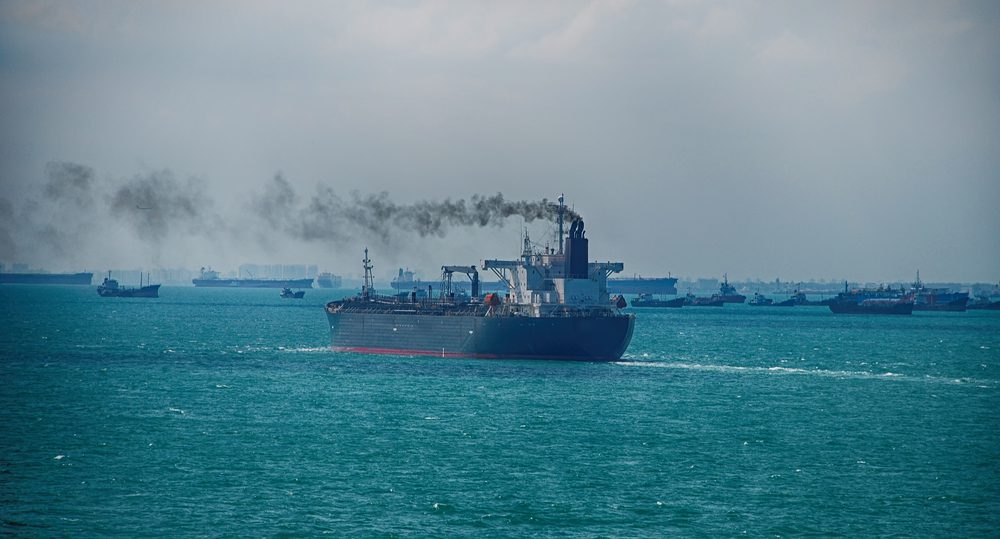
The U.S. Maritime Administration has entered into a formal cooperation agreement with CORE POWER to investigate the potential for domestic nuclear-propelled commercial vessels. According to gCaptain, this partnership represents the third major agreement under a broader Department of Transportation initiative focused on integrating small modular reactors into the shipping sector. The effort aligns with a strategic push by the Trump administration to link national maritime strength with energy dominance.
The collaboration seeks to navigate significant hurdles currently preventing the commercialization of nuclear shipping. These include establishing protocols for port operations, determining how to credential crews for nuclear service, and securing necessary insurance and financing. Maritime Administrator Stephen Carmel noted that the transition must be managed as a complete system that is both safe and investable, rather than focusing solely on the technology itself.
This move follows similar preliminary agreements between the government and the ports of Long Beach and Corpus Christi, which are exploring shoreside power and testing environments. Unlike those port-specific deals, the new arrangement brings a technology developer directly into the process. CORE POWER leadership suggests these steps are necessary for American competitiveness, as other nations like China are already advancing toward utilizing nuclear energy for large-scale merchant shipping operations.
While the agreements signify an acceleration of interest in the sector, they remain strictly exploratory. The federal government has not yet authorized the construction of any nuclear vessels or committed to a specific reactor design. Instead, the current phase focuses on coordinating with various federal agencies to address the high costs and complex safety standards that have historically limited nuclear power to naval and icebreaking fleets.
Editorial Desk — Trade Flow Insight. Reporting and market notes compiled by the Trade Flow Insight editorial team.
Articoli correlati

Elison della FMCSA torna a parlare di Motus, ancora nessuna data per la riparazione completa
Chattanooga–Non è passato molto tempo–meno di un mese–da quando Jesse Elison ha parlato a un evento del settore affrontando la questione del travagliato nuovo sistema di registrazione Motus. Il vice amministratore della Federal Motor Carrier Safety Administration (FMCSA) ha parlato lunedì al Broker Compliance Symposium di FreightWaves, una delle due sessioni giornaliere che fungono da preludio al più ampio Future of Freight Festival che inizia qui martedì. La notizia più importante della sua presentazione in realtà non è stata una notizia: dopo aver dichiarato alla National Motor Freight Traff

Gli autotrasportatori messicani avviano uno sciopero nazionale contro l'insicurezza stradale e l'aumento dei costi
Le aziende di autotrasporto messicane hanno lanciato lunedì uno sciopero nazionale a tempo indeterminato per protestare contro l'insicurezza sulle autostrade, il furto di merci, l'estorsione e l'aumento dei costi operativi, con manifestazioni previste nei principali centri logistici lungo il confine tra Stati Uniti e Messico. Lo sciopero, organizzato dalla National Chamber of Freight Transportation (CANACAR) e da altre organizzazioni di categoria, richiede manifestazioni in tutto il Messico, inclusi Nuevo Laredo, Reynosa, Monterrey, Tijuana e Città del Messico. Le proteste potrebbero interromp

L'amministrazione Trump presenta una strategia per il settore ittico per potenziare la flotta peschereccia statunitense e la produzione nazionale
L'amministrazione Trump ha presentato venerdì la sua America First Seafood Strategy, delineando i piani per rafforzare l'industria della pesca commerciale statunitense attraverso riforme normative, investimenti in pescherecci e infrastrutture a terra...