
U.S. Threatens Iran’s Trading Partners in New Economic Pressure Campaign
Treasury Secretary Scott Bessent announces an aggressive economic campaign to isolate Iran by threatening sanctions against global trading partners and financial institutions.
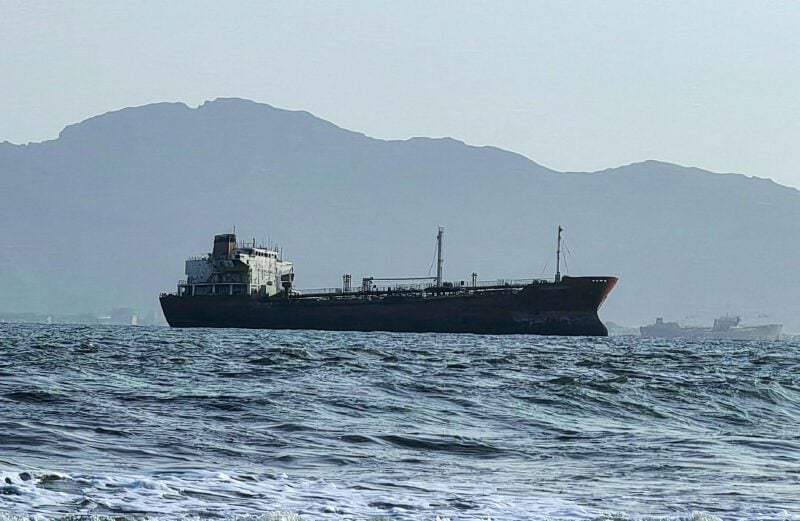
U.S. Treasury Secretary Scott Bessent has announced a major economic offensive designed to sever Iran's international financial ties. According to gCaptain, the strategy involves pressuring foreign governments to end their commercial interactions with the Iranian regime or face unilateral American penalties. President Trump has reportedly begun contacting world leaders directly to issue specific demands and timelines for cutting these economic links to end months of ongoing regional conflict.
The new measures specifically target five sectors identified as essential to the Iranian economy: shipping, aviation, gold, technology, and digital assets. While the Treasury recently blacklisted more than 60 entities, officials indicated that a significant financial institution could be sanctioned by the end of the week. Bessent described the administration's broad strategy as an effort to achieve the "economic asphyxiation of this regime" through global financial isolation.
The campaign faces significant challenges regarding major oil consumers like China, which remains a primary buyer of Iranian crude. While the administration maintains that no nation is immune to U.S. sanctions, it has opted for diplomacy over immediate penalties against large foreign banks to avoid destabilizing the global financial system. Analysts suggest the true effectiveness of the policy depends on whether the U.S. will risk trade stability to enforce these secondary sanctions.
Iranian officials have dismissed the threats as empty rhetoric, claiming the United States lacks the economic leverage to further restrict global trade relations. Meanwhile, the prospect of heightened enforcement creates uncertainty for key regional partners like Turkey, which relies on Iran for energy supplies. The U.S. move follows previous attempts to curb Iranian influence, yet it remains unclear if these latest financial pressures will secure control over vital maritime corridors like the Strait of Hormuz.
Editorial Desk — Trade Flow Insight. Reporting and market notes compiled by the Trade Flow Insight editorial team.
Articoli correlati

Elison della FMCSA torna a parlare di Motus, ancora nessuna data per la riparazione completa
Chattanooga–Non è passato molto tempo–meno di un mese–da quando Jesse Elison ha parlato a un evento del settore affrontando la questione del travagliato nuovo sistema di registrazione Motus. Il vice amministratore della Federal Motor Carrier Safety Administration (FMCSA) ha parlato lunedì al Broker Compliance Symposium di FreightWaves, una delle due sessioni giornaliere che fungono da preludio al più ampio Future of Freight Festival che inizia qui martedì. La notizia più importante della sua presentazione in realtà non è stata una notizia: dopo aver dichiarato alla National Motor Freight Traff

Gli autotrasportatori messicani avviano uno sciopero nazionale contro l'insicurezza stradale e l'aumento dei costi
Le aziende di autotrasporto messicane hanno lanciato lunedì uno sciopero nazionale a tempo indeterminato per protestare contro l'insicurezza sulle autostrade, il furto di merci, l'estorsione e l'aumento dei costi operativi, con manifestazioni previste nei principali centri logistici lungo il confine tra Stati Uniti e Messico. Lo sciopero, organizzato dalla National Chamber of Freight Transportation (CANACAR) e da altre organizzazioni di categoria, richiede manifestazioni in tutto il Messico, inclusi Nuevo Laredo, Reynosa, Monterrey, Tijuana e Città del Messico. Le proteste potrebbero interromp

L'amministrazione Trump presenta una strategia per il settore ittico per potenziare la flotta peschereccia statunitense e la produzione nazionale
L'amministrazione Trump ha presentato venerdì la sua America First Seafood Strategy, delineando i piani per rafforzare l'industria della pesca commerciale statunitense attraverso riforme normative, investimenti in pescherecci e infrastrutture a terra...