
A Subdued Asian Summit Sharpens the Contrast Between Xi and Trump
Chinese leader Xi Jinping maintained a low profile at the recent Shanghai Cooperation Organization summit in Bishkek, emphasizing Beijing's role as a stable alternative to Western diplomacy.
The most recent Shanghai Cooperation Organization (SCO) summit in Bishkek was characterized by a lack of major announcements or viral moments, according to a report from OilPrice.com. Observers noted that the event was unusually quiet compared to previous meetings, with few headlines generated by Chinese President Xi Jinping. Instead of high-profile agreements, the summit proceedings focused on projecting an image of regional stability and diplomatic continuity among the participating member states.
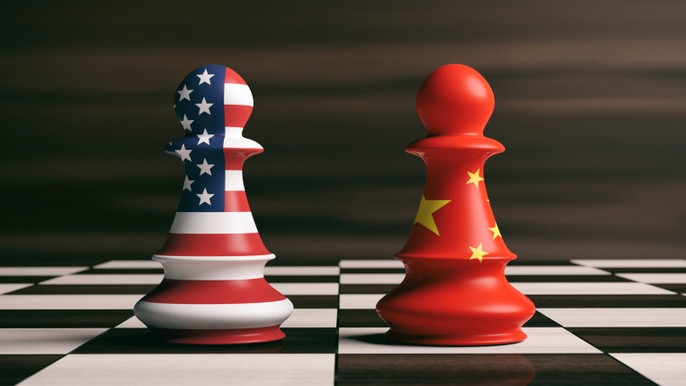
Analysts suggest the understated tone was intentional, allowing China to present itself as a reliable global actor in contrast to the perceived volatility of United States foreign policy. While the U.S. manages trade disputes and shifting military commitments, Beijing used the SCO platform to highlight its adherence to international norms. Experts cited by OilPrice.com noted that China’s predictable behavior serves as a strategic counterpoint to the current diplomatic friction seen within Western alliances.
Energy trade remains a central pillar of these regional relationships. China has increasingly supported the economies of its neighbors through significant oil and gas purchases, particularly from Russia. Furthermore, Beijing has begun addressing fuel shortages in Central Asia caused by regional supply disruptions. The first shipments of Chinese fuel oil arrived in Kyrgyzstan recently, and Tajikistan is reportedly engaged in similar negotiations to secure energy supplies from the Chinese government.
Despite the display of unity, the summit revealed underlying tensions and a lack of substantive action on major global conflicts. While leaders discussed theoretical progress on a regional development bank and security initiatives, some participants expressed frustration over the organization's restraint. Representatives from Belarus and Iran specifically urged the SCO’s most powerful members—China, India, and Russia—to take more decisive steps toward establishing a multipolar world order rather than just maintaining the status quo.
Helena Marsh — Energy Markets Editor. Helena covers crude, refined products and the trading houses that move them, with a focus on price formation in the Mediterranean and Black Sea.
Related coverage

Brent Back Above $100 as Houthis Hit Saudi Infrastructure
Crude oil prices, which dipped on Tuesday, reversed their direction, with Brent ticking above $100 again earlier today following reports of fresh Houthi attacks on Saudi energy infrastructure. At the time of writing, Brent crude was trading at $101.49 per barrel and West Texas Intermediate was changing hands for $90.14 per barrel, despite a statement from Saudi Arabia’s energy minister, Prince Abdulaziz bin Salman, who said Tuesday the kingdom’s oil flows via the Rast-West pipeline had rebounded to 5.8 million barrels daily. The statement…

Iranian Oil Starts Flowing to Tajikistan Despite U.S. Sanctions Risk
Tajikistan announced that it is now receiving oil and petroleum products from Iran, opening a potential new energy source for a country whose fuel supplies have long been dominated by Russia. The deliveries began in late August, Tajikistan's Energy and Water Resources Ministry told the Asia-Plus news agency, following talks between the two countries on expanding cooperation in the oil and gas sector. The ministry has not disclosed the volume of the shipments, their commercial terms, or how the oil and petroleum products were transported to Tajikistan.…

Iran’s Disappearing Oil Is Becoming Everyone’s Problem
Iranian oil is disappearing from the market just as its biggest buyer returns for more. China’s recovering crude demand is colliding with the loss of a supplier that sustained its independent refiners through the crisis, forcing them to compete for increasingly expensive alternatives. The consequences reach beyond China: every replacement barrel tightens supplies for other buyers, while Tehran faces a growing incentive to disrupt the Strait of Hormuz, which is now carrying an unexpectedly strong 13 million barrels a day (just 5 million below…