
Can Trump Isolate Iran Without Triggering a Clash With China?
The Trump administration launched a new campaign to isolate Iran financially, risking a diplomatic and economic confrontation with China over its oil purchases and banking ties.
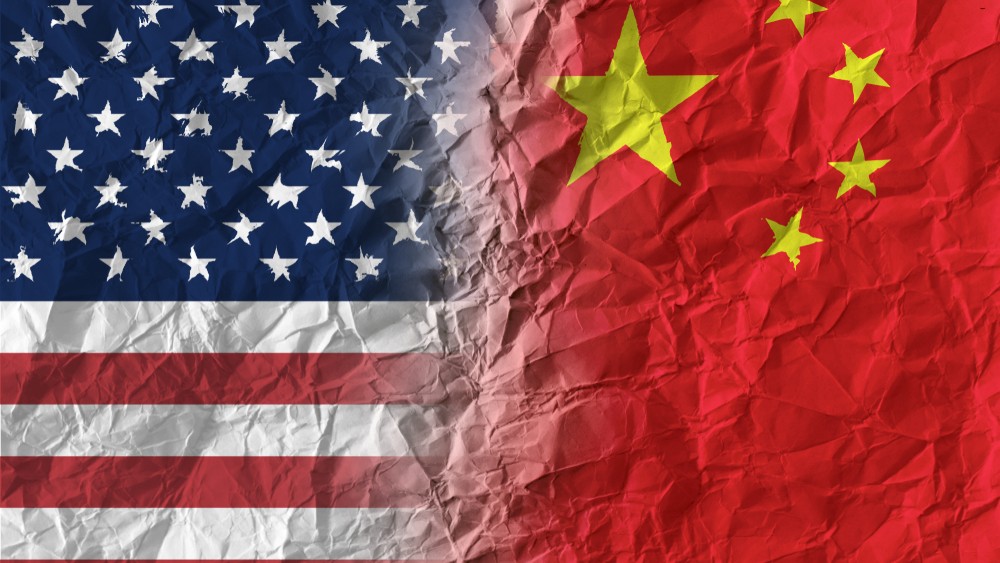
U.S. Treasury Secretary Scott Bessent has introduced a new initiative called Operation Economic Outcast to disconnect Iran from global commerce. According to OilPrice.com, the strategy forces foreign nations to decide between trading with Tehran or maintaining access to American financial markets. While the administration claims it has mapped out every network used to bypass existing restrictions, experts suggest the program’s success hinges on whether Washington will penalize major Chinese institutions.
The campaign faces a significant hurdle in China, which remains the primary purchaser of Iranian crude oil. Bessent noted that entities identified as violators would be given specific windows to end their prohibited relationships or lose access to the U.S. dollar system. However, imposing secondary sanctions on prominent Chinese banks could reignite a trade war just as President Xi Jinping prepares for a scheduled visit to Washington in September.
Former government officials and sanctions experts noted that the current approach serves as a public warning intended to influence behavior through diplomacy before implementing stricter measures. While some analysts believe targeting smaller, specialized banks could minimize global market disruption, others argue that meaningful pressure requires targeting larger entities. The Treasury Secretary emphasized that no organization is exempt, stating, "the clock just started ticking."
China’s embassy in Washington has expressed opposition to the plan, advocating for political dialogue rather than economic pressure. The ultimate effectiveness of the policy remains uncertain, as Tehran has a long history of utilizing front companies and shadow shipping to evade western controls. The administration appears to be using the threat of total isolation as leverage to bring Iran back to the negotiating table regarding regional security issues.
Editorial Desk — Trade Flow Insight. Reporting and market notes compiled by the Trade Flow Insight editorial team.
Related coverage
Brent Back Above $100 as Houthis Hit Saudi Infrastructure
Crude oil prices, which dipped on Tuesday, reversed their direction, with Brent ticking above $100 again earlier today following reports of fresh Houthi attacks on Saudi energy infrastructure. At the time of writing, Brent crude was trading at $101.49 per barrel and West Texas Intermediate was changing hands for $90.14 per barrel, despite a statement from Saudi Arabia’s energy minister, Prince Abdulaziz bin Salman, who said Tuesday the kingdom’s oil flows via the Rast-West pipeline had rebounded to 5.8 million barrels daily. The statement…
Iranian Oil Starts Flowing to Tajikistan Despite U.S. Sanctions Risk
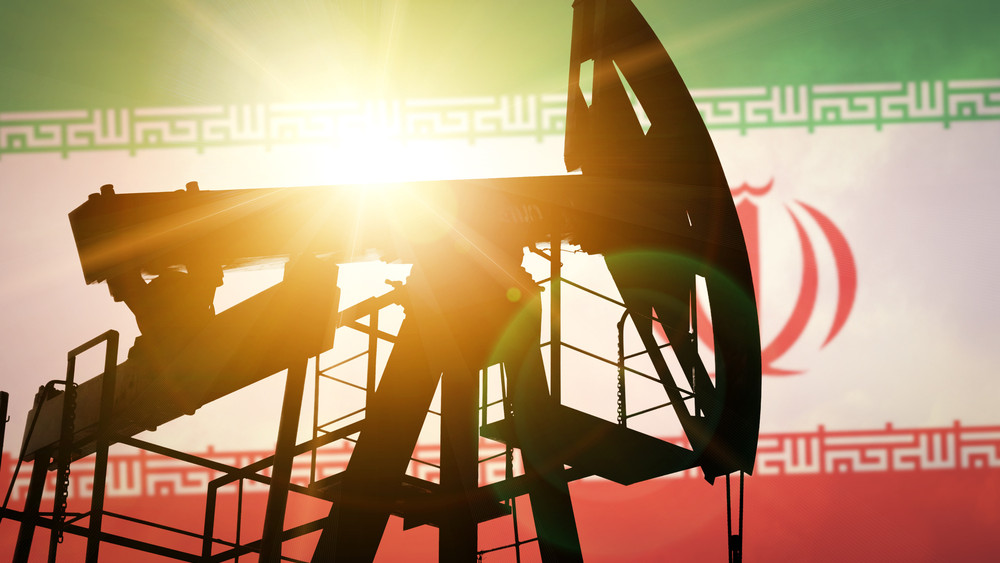
Tajikistan announced that it is now receiving oil and petroleum products from Iran, opening a potential new energy source for a country whose fuel supplies have long been dominated by Russia. The deliveries began in late August, Tajikistan's Energy and Water Resources Ministry told the Asia-Plus news agency, following talks between the two countries on expanding cooperation in the oil and gas sector. The ministry has not disclosed the volume of the shipments, their commercial terms, or how the oil and petroleum products were transported to Tajikistan.…
Iran’s Disappearing Oil Is Becoming Everyone’s Problem
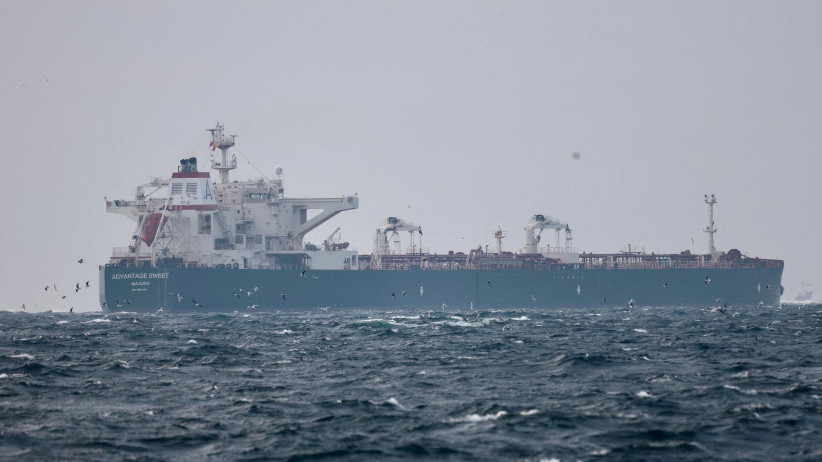
Iranian oil is disappearing from the market just as its biggest buyer returns for more. China’s recovering crude demand is colliding with the loss of a supplier that sustained its independent refiners through the crisis, forcing them to compete for increasingly expensive alternatives. The consequences reach beyond China: every replacement barrel tightens supplies for other buyers, while Tehran faces a growing incentive to disrupt the Strait of Hormuz, which is now carrying an unexpectedly strong 13 million barrels a day (just 5 million below…