
Citadel Eyes U.S. Shale as Oil Trading Moves Closer to the Wellhead
Citadel is pursuing U.S. shale production assets to bolster its physical commodities trading portfolio amid global supply chain risks.
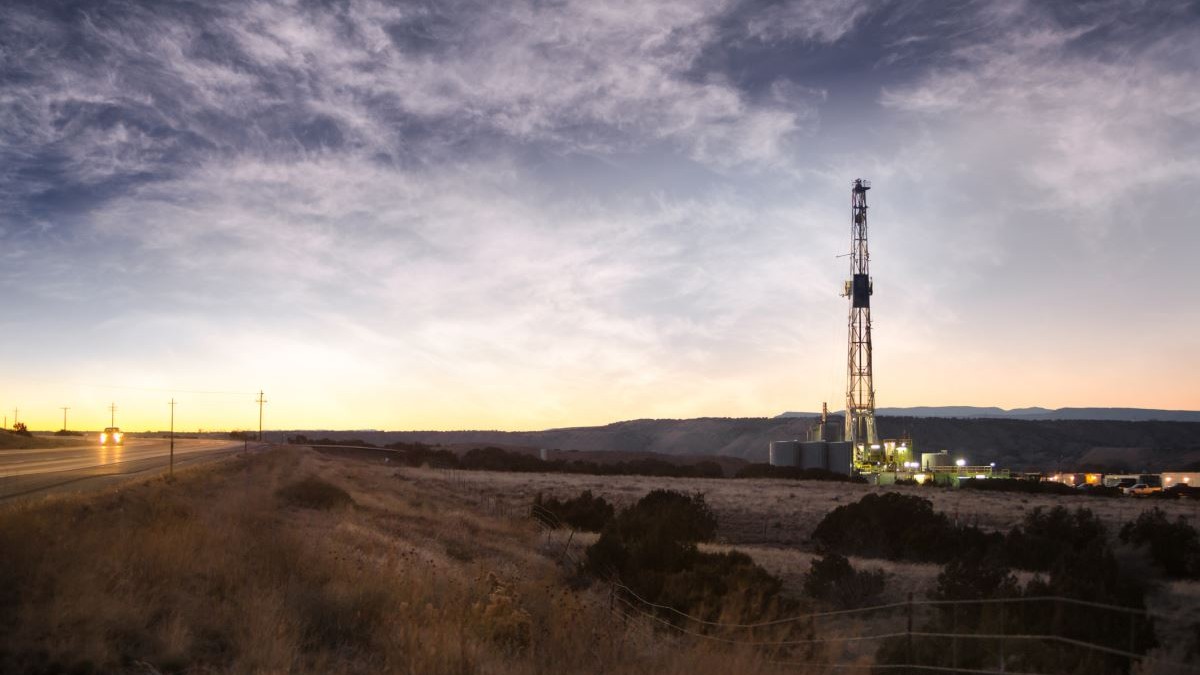
Citadel is actively seeking to acquire oil production assets in the United States as part of a strategy to link its trading operations directly to physical supply. According to OilPrice.com, the hedge fund and commodities trader recently held discussions with private-equity owners of various exploration and production firms. This move follows a failed attempt to purchase WildFire Energy, a producer that was eventually sold to Magnolia Oil & Gas for $4.06 billion in July.
The firm already maintains a presence in the upstream sector through its ownership of Apex Natural Gas, which it formed after acquiring Paloma Natural Gas in 2025. By adding crude oil production to its existing portfolio of gas, power, and commodity trading, Citadel aims to secure physical barrels that are less vulnerable to international shipping disruptions. Founder Ken Griffin has previously highlighted the economic risks associated with potential closures of the Strait of Hormuz.
Citadel’s interest in the U.S. shale sector reflects a broader trend among major commodity traders seeking ownership of raw materials. Other industry players like Vitol and Gunvor have pursued similar strategies by investing in shale and gas assets. These firms are increasingly competing with traditional energy companies for acreage, valuing the security of domestic supply chains that bypass volatile overseas maritime chokepoints and provide direct access to Gulf Coast refineries.
Helena Marsh — Energy Markets Editor. Helena covers crude, refined products and the trading houses that move them, with a focus on price formation in the Mediterranean and Black Sea.
Related coverage

Brent Back Above $100 as Houthis Hit Saudi Infrastructure
Crude oil prices, which dipped on Tuesday, reversed their direction, with Brent ticking above $100 again earlier today following reports of fresh Houthi attacks on Saudi energy infrastructure. At the time of writing, Brent crude was trading at $101.49 per barrel and West Texas Intermediate was changing hands for $90.14 per barrel, despite a statement from Saudi Arabia’s energy minister, Prince Abdulaziz bin Salman, who said Tuesday the kingdom’s oil flows via the Rast-West pipeline had rebounded to 5.8 million barrels daily. The statement…

Iranian Oil Starts Flowing to Tajikistan Despite U.S. Sanctions Risk
Tajikistan announced that it is now receiving oil and petroleum products from Iran, opening a potential new energy source for a country whose fuel supplies have long been dominated by Russia. The deliveries began in late August, Tajikistan's Energy and Water Resources Ministry told the Asia-Plus news agency, following talks between the two countries on expanding cooperation in the oil and gas sector. The ministry has not disclosed the volume of the shipments, their commercial terms, or how the oil and petroleum products were transported to Tajikistan.…

Iran’s Disappearing Oil Is Becoming Everyone’s Problem
Iranian oil is disappearing from the market just as its biggest buyer returns for more. China’s recovering crude demand is colliding with the loss of a supplier that sustained its independent refiners through the crisis, forcing them to compete for increasingly expensive alternatives. The consequences reach beyond China: every replacement barrel tightens supplies for other buyers, while Tehran faces a growing incentive to disrupt the Strait of Hormuz, which is now carrying an unexpectedly strong 13 million barrels a day (just 5 million below…