
Diesel still ripping higher than the rest of the barrel; here’s why
Diesel prices are outpacing crude oil and gasoline as geopolitical conflicts, refinery capacity losses, and inventory shortages create a historic disconnect in energy markets.
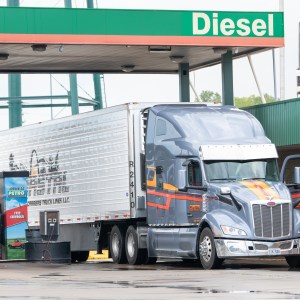
Diesel prices are rising at a much faster rate than crude oil and gasoline following the start of hostilities involving Iran. According to FreightWaves, ultra low sulfur diesel prices have surged 71.5% since late February, while international Brent crude increased by 26.4%. This widening gap has pushed the price difference between refined diesel and crude to record levels, with the fuel trading at nearly double the value of the raw oil.
Energy analysts point to several global disruptions for this imbalance. Ukrainian drone strikes have significantly damaged Russian refineries, which are specifically engineered for high diesel output. Consequently, Russian exports have dropped sharply, and the country has implemented temporary export bans. In the Middle East, military attacks have damaged or disabled multiple refineries, further tightening the global supply of heavy crudes that typically yield the most diesel.
Domestically, U.S. refineries are operating at nearly maximum capacity to capitalize on high profit margins, yet they face long-term challenges. Recent closures in Texas and California have reduced total refining capacity, while inventories for distillates remain well below seasonal norms. Former Goldman Sachs commodities head Jeffrey Currie noted on CNBC that "to everybody else on the planet Earth, what matters are the product prices," highlighting that consumers are feeling the pinch despite slower growth in crude costs.
Market experts suggest the situation is exacerbated by a lack of strategic product reserves compared to crude oil stockpiles. While crude markets received support from government reserve releases, refined products had no such buffer. As refineries struggle to keep up with global demand, the disconnect between raw oil and fuel costs is expected to persist, driven by these structural bottlenecks and ongoing geopolitical instability.
Editorial Desk — Trade Flow Insight. Reporting and market notes compiled by the Trade Flow Insight editorial team.
Related coverage
Brent Back Above $100 as Houthis Hit Saudi Infrastructure
Crude oil prices, which dipped on Tuesday, reversed their direction, with Brent ticking above $100 again earlier today following reports of fresh Houthi attacks on Saudi energy infrastructure. At the time of writing, Brent crude was trading at $101.49 per barrel and West Texas Intermediate was changing hands for $90.14 per barrel, despite a statement from Saudi Arabia’s energy minister, Prince Abdulaziz bin Salman, who said Tuesday the kingdom’s oil flows via the Rast-West pipeline had rebounded to 5.8 million barrels daily. The statement…
Iranian Oil Starts Flowing to Tajikistan Despite U.S. Sanctions Risk
Tajikistan announced that it is now receiving oil and petroleum products from Iran, opening a potential new energy source for a country whose fuel supplies have long been dominated by Russia. The deliveries began in late August, Tajikistan's Energy and Water Resources Ministry told the Asia-Plus news agency, following talks between the two countries on expanding cooperation in the oil and gas sector. The ministry has not disclosed the volume of the shipments, their commercial terms, or how the oil and petroleum products were transported to Tajikistan.…
Iran’s Disappearing Oil Is Becoming Everyone’s Problem
Iranian oil is disappearing from the market just as its biggest buyer returns for more. China’s recovering crude demand is colliding with the loss of a supplier that sustained its independent refiners through the crisis, forcing them to compete for increasingly expensive alternatives. The consequences reach beyond China: every replacement barrel tightens supplies for other buyers, while Tehran faces a growing incentive to disrupt the Strait of Hormuz, which is now carrying an unexpectedly strong 13 million barrels a day (just 5 million below…