
Hedge Funds Pile Into Fuels as U.S. Supply Squeeze Deepens
Speculative traders are increasing long positions in American fuel contracts as dwindling inventories and refining constraints push diesel and gasoline prices toward record highs.
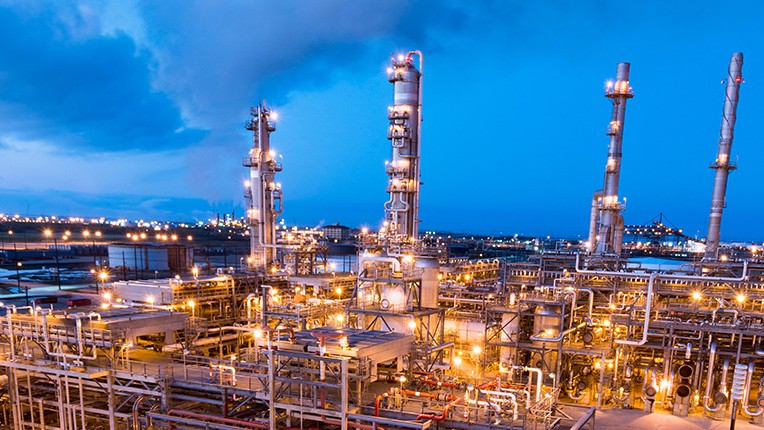
Hedge funds and other speculators have shifted to a bullish stance on refined products, accumulating a net long position of 177 million barrels in gasoline and diesel contracts. According to OilPrice.com, this pivot follows a period of bearish sentiment earlier this year. While traders remain cautious regarding crude oil, the focus has shifted to a supply squeeze in finished fuels driven by geopolitical tensions and domestic infrastructure limits.
The United States is facing a significant tightening of fuel availability due to several structural factors. A reduction in the total number of active refineries compared to previous decades has limited the country's ability to meet demand. Furthermore, U.S. refiners recently prioritized the production of jet fuel and diesel, which led to a drawdown of gasoline inventories to levels described as critical.
Market pressures are most evident in the diesel sector, where the price difference between crude and refined products reached record levels in August. Retail prices have reflected this scarcity, with diesel surpassing $5.90 per gallon. Analysts from ING suggest that middle distillate spreads will likely stay high and volatile because of ongoing disruptions to exports originating from Russia and the Middle East.
The supply outlook remains constrained as the industry enters the seasonal refinery maintenance period, which typically reduces total output for several weeks. With global crude prices trending higher and inventories already low, the current market dynamics suggest that relief from high fuel costs is unlikely in the near term. This environment has solidified the bullish outlook among market speculators.
Helena Marsh — Energy Markets Editor. Helena covers crude, refined products and the trading houses that move them, with a focus on price formation in the Mediterranean and Black Sea.
Related coverage

Brent Back Above $100 as Houthis Hit Saudi Infrastructure
Crude oil prices, which dipped on Tuesday, reversed their direction, with Brent ticking above $100 again earlier today following reports of fresh Houthi attacks on Saudi energy infrastructure. At the time of writing, Brent crude was trading at $101.49 per barrel and West Texas Intermediate was changing hands for $90.14 per barrel, despite a statement from Saudi Arabia’s energy minister, Prince Abdulaziz bin Salman, who said Tuesday the kingdom’s oil flows via the Rast-West pipeline had rebounded to 5.8 million barrels daily. The statement…

Iranian Oil Starts Flowing to Tajikistan Despite U.S. Sanctions Risk
Tajikistan announced that it is now receiving oil and petroleum products from Iran, opening a potential new energy source for a country whose fuel supplies have long been dominated by Russia. The deliveries began in late August, Tajikistan's Energy and Water Resources Ministry told the Asia-Plus news agency, following talks between the two countries on expanding cooperation in the oil and gas sector. The ministry has not disclosed the volume of the shipments, their commercial terms, or how the oil and petroleum products were transported to Tajikistan.…

Iran’s Disappearing Oil Is Becoming Everyone’s Problem
Iranian oil is disappearing from the market just as its biggest buyer returns for more. China’s recovering crude demand is colliding with the loss of a supplier that sustained its independent refiners through the crisis, forcing them to compete for increasingly expensive alternatives. The consequences reach beyond China: every replacement barrel tightens supplies for other buyers, while Tehran faces a growing incentive to disrupt the Strait of Hormuz, which is now carrying an unexpectedly strong 13 million barrels a day (just 5 million below…