
High Oil Prices Speed Up China’s Shift Away From Crude
Increased crude costs are pushing Chinese transport and industry toward electrification, resulting in a significant drop in oil demand and carbon emissions.
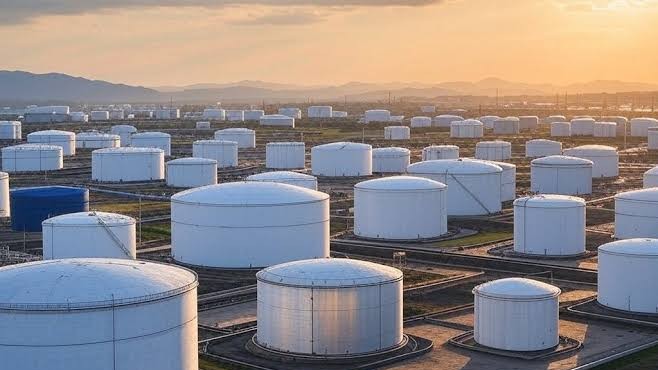
High global oil prices have prompted a significant reduction in Chinese petroleum usage, with consumption falling 9% during the second quarter compared to the previous year. According to OilPrice.com, this shift was largely driven by the adoption of electric vehicles and alternative-fuel machinery. Elevated crude prices followed supply disruptions in the Persian Gulf and restricted traffic through the Strait of Hormuz, causing China to decrease its reliance on imports and utilize existing inventories.
The transition toward electric power is notably visible in the trucking and construction sectors. During the first half of 2026, electric vehicles displaced approximately 36 million metric tons of oil, representing one-third of the total demand reduction. The trucking industry saw a 90% increase in the use of alternative fuels between January and June, which significantly lowered diesel consumption. Additionally, the replacement of diesel machinery in mining and construction further eroded traditional fuel demand.
Data from the Centre for Research on Energy and Clean Air indicates that lower oil consumption led to a 1% decline in China's quarterly carbon dioxide emissions. This marks the first time such a drop was primarily attributed to reduced oil use rather than other energy sectors. While emissions from the power sector rose by 3% due to higher coal generation, the displacement of gasoline and diesel by the massive electric vehicle fleet continues to alter the country’s energy profile.
Market analysts suggest that the ongoing trend of weakening oil demand and stagnant property sector activity could lead to a full-year decline in Chinese emissions. The impact of $90-plus crude is accelerating the displacement of diesel across the nation's logistics networks. As the world's largest importer of crude, China's accelerating pivot toward electrification carries substantial implications for global oil producers and international energy markets.
Helena Marsh — Energy Markets Editor. Helena covers crude, refined products and the trading houses that move them, with a focus on price formation in the Mediterranean and Black Sea.
Related coverage

Brent Back Above $100 as Houthis Hit Saudi Infrastructure
Crude oil prices, which dipped on Tuesday, reversed their direction, with Brent ticking above $100 again earlier today following reports of fresh Houthi attacks on Saudi energy infrastructure. At the time of writing, Brent crude was trading at $101.49 per barrel and West Texas Intermediate was changing hands for $90.14 per barrel, despite a statement from Saudi Arabia’s energy minister, Prince Abdulaziz bin Salman, who said Tuesday the kingdom’s oil flows via the Rast-West pipeline had rebounded to 5.8 million barrels daily. The statement…

Iranian Oil Starts Flowing to Tajikistan Despite U.S. Sanctions Risk
Tajikistan announced that it is now receiving oil and petroleum products from Iran, opening a potential new energy source for a country whose fuel supplies have long been dominated by Russia. The deliveries began in late August, Tajikistan's Energy and Water Resources Ministry told the Asia-Plus news agency, following talks between the two countries on expanding cooperation in the oil and gas sector. The ministry has not disclosed the volume of the shipments, their commercial terms, or how the oil and petroleum products were transported to Tajikistan.…

Iran’s Disappearing Oil Is Becoming Everyone’s Problem
Iranian oil is disappearing from the market just as its biggest buyer returns for more. China’s recovering crude demand is colliding with the loss of a supplier that sustained its independent refiners through the crisis, forcing them to compete for increasingly expensive alternatives. The consequences reach beyond China: every replacement barrel tightens supplies for other buyers, while Tehran faces a growing incentive to disrupt the Strait of Hormuz, which is now carrying an unexpectedly strong 13 million barrels a day (just 5 million below…