
KCC Second Quarter 2026 – Solid Q2 financials driven by strong markets and operations amidst geopolitical turmoil
Klaveness Combination Carriers reported rising profits and higher daily earnings for the second quarter of 2026, supported by tight market conditions and the completion of its newbuilding program.
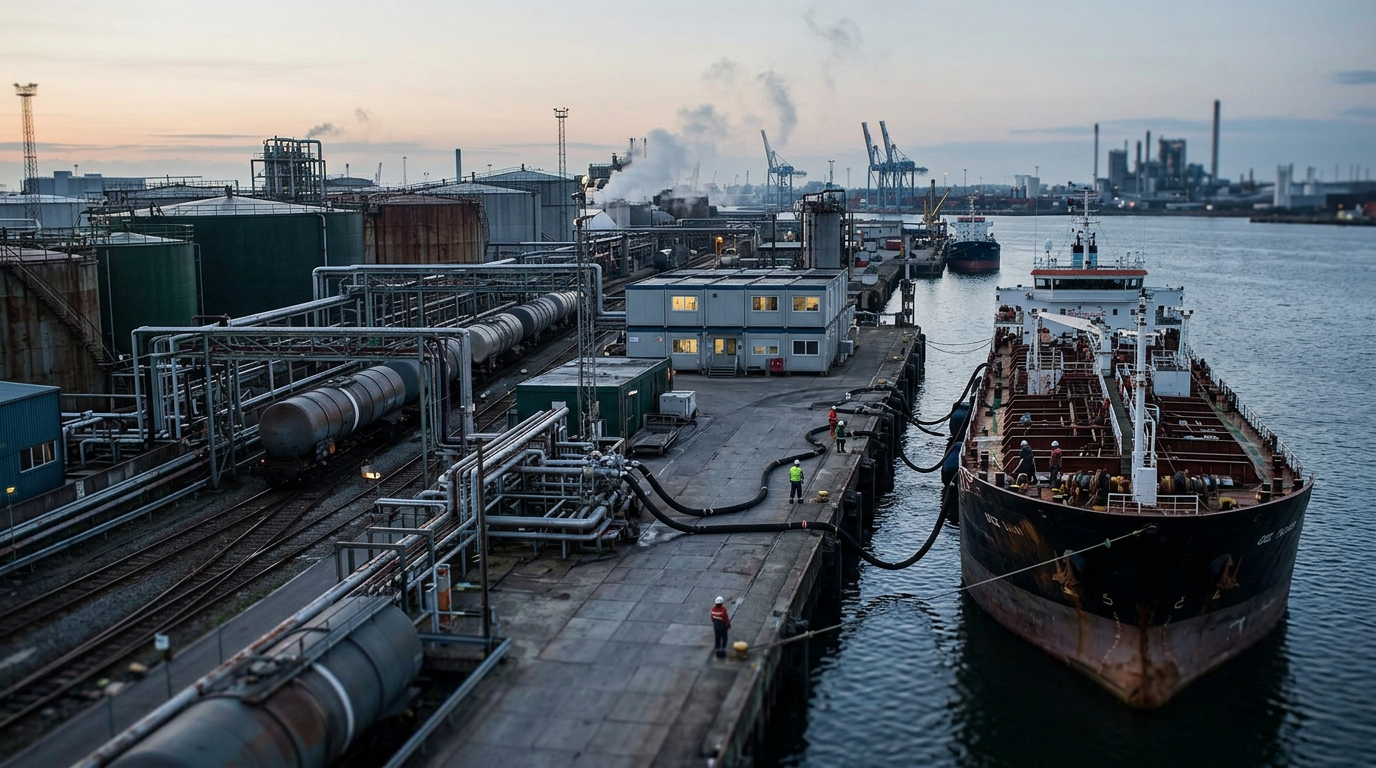
Klaveness Combination Carriers (KCC) achieved a profit after tax of USD 20.8 million and EBITDA of USD 38.5 million during the second quarter of 2026. According to Hellenic Shipping News, these figures represent a significant increase over the previous quarter. The company benefited from higher time charter equivalent earnings, which rose by $4,350 per day to reach an average of $37,782 per day across the fleet.
The firm completed its CABU newbuilding program in early August with the delivery of its final vessel, bringing its total operational fleet to 19 combination carriers. These ships are designed to alternate between dry and wet bulk cargoes to minimize ballast time. Management noted that the full fleet is now positioned to leverage strong demand in the product tanker and dry bulk sectors through the remainder of the year.
Financial performance was bolstered by market tightness resulting from geopolitical volatility in the Middle East. While regional disruptions caused some efficiency losses, insurance coverage for off-hire days helped mitigate the impact. CEO Engebret Dahm stated that the company finished its latest vessel deliveries "before time and cost" while securing a new bank facility to refinance existing debt on improved terms.
Looking toward the second half of 2026, the company anticipates continued market strength and reduced vessel maintenance requirements. The board declared a dividend of USD 0.30 per share for the quarter. Guidance for the third quarter suggests daily earnings will remain robust, with high levels of fleet capacity already fixed for both the CABU and CLEANBU vessel segments.
Editorial Desk — Trade Flow Insight. Reporting and market notes compiled by the Trade Flow Insight editorial team.
Related coverage
Brent Back Above $100 as Houthis Hit Saudi Infrastructure
Crude oil prices, which dipped on Tuesday, reversed their direction, with Brent ticking above $100 again earlier today following reports of fresh Houthi attacks on Saudi energy infrastructure. At the time of writing, Brent crude was trading at $101.49 per barrel and West Texas Intermediate was changing hands for $90.14 per barrel, despite a statement from Saudi Arabia’s energy minister, Prince Abdulaziz bin Salman, who said Tuesday the kingdom’s oil flows via the Rast-West pipeline had rebounded to 5.8 million barrels daily. The statement…

Iranian Oil Starts Flowing to Tajikistan Despite U.S. Sanctions Risk
Tajikistan announced that it is now receiving oil and petroleum products from Iran, opening a potential new energy source for a country whose fuel supplies have long been dominated by Russia. The deliveries began in late August, Tajikistan's Energy and Water Resources Ministry told the Asia-Plus news agency, following talks between the two countries on expanding cooperation in the oil and gas sector. The ministry has not disclosed the volume of the shipments, their commercial terms, or how the oil and petroleum products were transported to Tajikistan.…
Iran’s Disappearing Oil Is Becoming Everyone’s Problem
Iranian oil is disappearing from the market just as its biggest buyer returns for more. China’s recovering crude demand is colliding with the loss of a supplier that sustained its independent refiners through the crisis, forcing them to compete for increasingly expensive alternatives. The consequences reach beyond China: every replacement barrel tightens supplies for other buyers, while Tehran faces a growing incentive to disrupt the Strait of Hormuz, which is now carrying an unexpectedly strong 13 million barrels a day (just 5 million below…