
Middle East Chemicals Keep Their Cost Edge Despite Hormuz Crisis
Middle Eastern chemical producers are expected to maintain their global market dominance through low-cost production despite ongoing supply disruptions in the Strait of Hormuz.
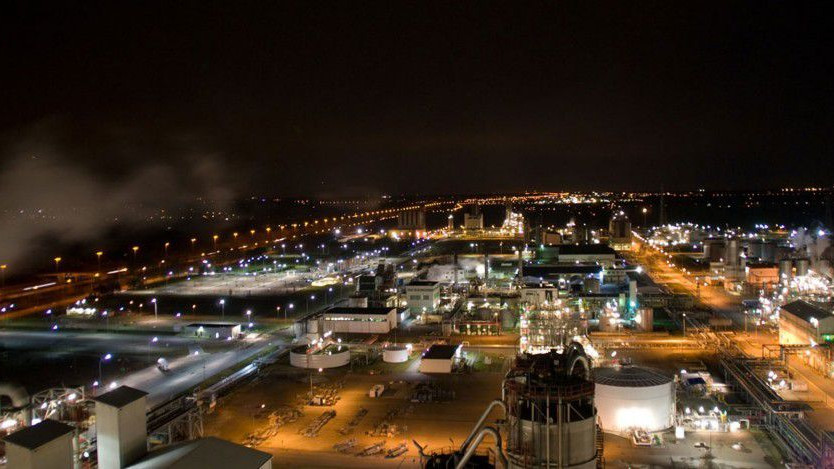
According to OilPrice.com, industrial producers in the Middle East are maintaining a competitive edge in the global chemicals market despite ongoing regional conflict and shipping constraints in the Persian Gulf. Although current geopolitical tensions have caused short-term sourcing shifts toward American suppliers, the Middle East's extensive production infrastructure and inexpensive naphtha supplies ensure its long-term viability. Analysts suggest that the region's low pricing continues to be the primary factor for international buyers.
Data from International Trader Publications indicates that the Middle East remains the top global exporter of polyethylene, representing 43% of the world's total exports last year. While North American firms have stepped in to fill supply gaps during the current crisis, industry experts from firms like BASF believe the Gulf's structural advantages are difficult to replace. Most customers view current diversification strategies as a temporary safeguard rather than a permanent move away from Middle Eastern materials.
The regional conflict has significantly impacted shipping volumes, with total export volumes falling sharply since the start of the year. However, polymer exports have proved more resilient than other commodities like LNG or ammonia. United Nations data shows that while overall shipments crashed, propylene polymer exports experienced a comparatively smaller decline. This resilience, combined with soaring global plastic prices, has allowed the Middle East to remain a critical pillar of the international petrochemical supply chain.
American companies have seen immediate financial benefits from these market shifts, with Dow reporting a significant rise in quarterly sales driven by higher polyethylene pricing. While Asian and European manufacturers struggle with high energy costs and feedstock shortages, U.S. producers are leveraging secure local supplies to capture market share. Despite these gains for Western firms, the fundamental cost advantage of the Middle East is expected to persist once logistics through the Strait of Hormuz stabilize.
Helena Marsh — Energy Markets Editor. Helena covers crude, refined products and the trading houses that move them, with a focus on price formation in the Mediterranean and Black Sea.
Related coverage

Brent Back Above $100 as Houthis Hit Saudi Infrastructure
Crude oil prices, which dipped on Tuesday, reversed their direction, with Brent ticking above $100 again earlier today following reports of fresh Houthi attacks on Saudi energy infrastructure. At the time of writing, Brent crude was trading at $101.49 per barrel and West Texas Intermediate was changing hands for $90.14 per barrel, despite a statement from Saudi Arabia’s energy minister, Prince Abdulaziz bin Salman, who said Tuesday the kingdom’s oil flows via the Rast-West pipeline had rebounded to 5.8 million barrels daily. The statement…

Iranian Oil Starts Flowing to Tajikistan Despite U.S. Sanctions Risk
Tajikistan announced that it is now receiving oil and petroleum products from Iran, opening a potential new energy source for a country whose fuel supplies have long been dominated by Russia. The deliveries began in late August, Tajikistan's Energy and Water Resources Ministry told the Asia-Plus news agency, following talks between the two countries on expanding cooperation in the oil and gas sector. The ministry has not disclosed the volume of the shipments, their commercial terms, or how the oil and petroleum products were transported to Tajikistan.…

Iran’s Disappearing Oil Is Becoming Everyone’s Problem
Iranian oil is disappearing from the market just as its biggest buyer returns for more. China’s recovering crude demand is colliding with the loss of a supplier that sustained its independent refiners through the crisis, forcing them to compete for increasingly expensive alternatives. The consequences reach beyond China: every replacement barrel tightens supplies for other buyers, while Tehran faces a growing incentive to disrupt the Strait of Hormuz, which is now carrying an unexpectedly strong 13 million barrels a day (just 5 million below…