
Oil Prices Fall as Iran Negotiation Hopes Return
Brent crude prices declined to $89 as Pakistani mediation efforts offered hope for a negotiated settlement following the announcement of new U.S. sanctions against Iran.
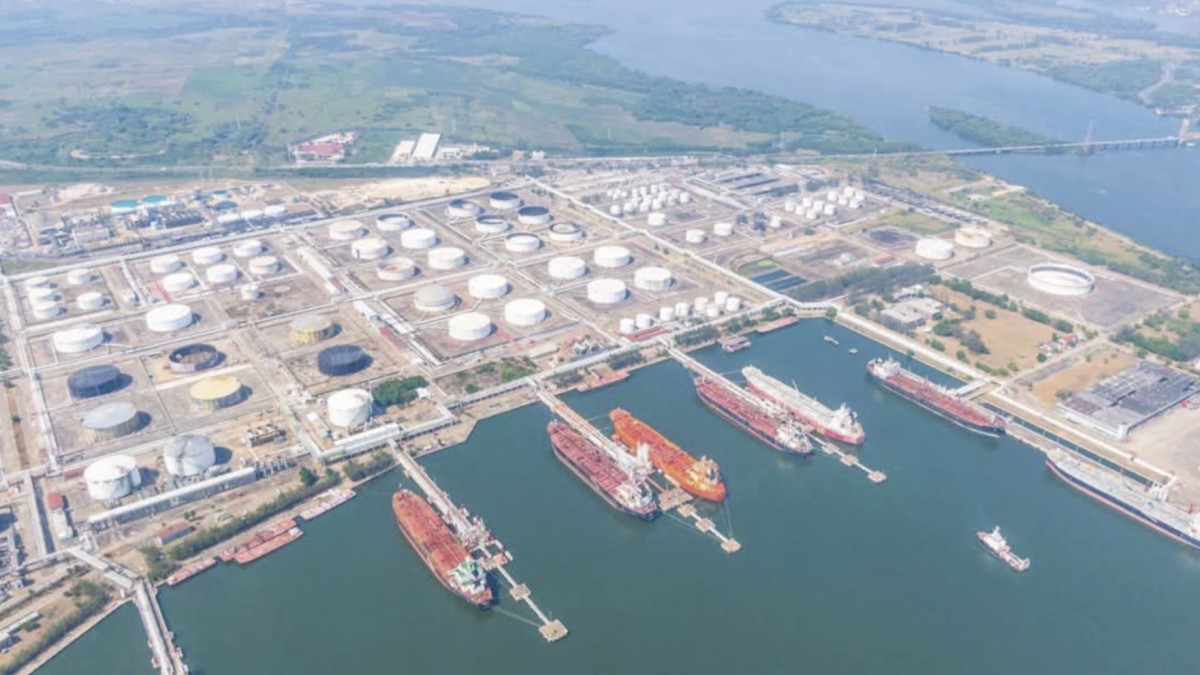
Brent crude values dipped to $89 per barrel as market participants weighed new geopolitical developments. According to OilPrice.com, the decline followed reports of mediation attempts by Pakistan, which countered upward price pressure generated by recent statements from U.S. Treasury Secretary Scott Bessent. Traders remain hopeful that these diplomatic efforts could result in a negotiated settlement despite escalating tensions between Washington and Tehran.
The U.S. administration has intensified its pressure campaign through what officials call "economic D-Day" measures. These sanctions threaten to exclude Iran’s global trading partners from the dollar-based financial system if they do not cease operations with the nation. Meanwhile, Iran has countered by blacklisting dozens of tankers for unauthorized transits through the Strait of Hormuz, causing a significant collapse in regional maritime traffic.
Supply constraints remain evident as Iranian crude exports fell to approximately 0.3 million barrels per day in August, a sharp decrease from the yearly average. This slump is attributed to a naval blockade in the Gulf of Oman and dwindling floating storage. While Chinese buyers have utilized existing inventories to maintain import levels, experts suggest these stocks may be exhausted by October if current shipping restrictions persist.
Editorial Desk — Trade Flow Insight. Reporting and market notes compiled by the Trade Flow Insight editorial team.
Related coverage

Brent Back Above $100 as Houthis Hit Saudi Infrastructure
Crude oil prices, which dipped on Tuesday, reversed their direction, with Brent ticking above $100 again earlier today following reports of fresh Houthi attacks on Saudi energy infrastructure. At the time of writing, Brent crude was trading at $101.49 per barrel and West Texas Intermediate was changing hands for $90.14 per barrel, despite a statement from Saudi Arabia’s energy minister, Prince Abdulaziz bin Salman, who said Tuesday the kingdom’s oil flows via the Rast-West pipeline had rebounded to 5.8 million barrels daily. The statement…

Iranian Oil Starts Flowing to Tajikistan Despite U.S. Sanctions Risk
Tajikistan announced that it is now receiving oil and petroleum products from Iran, opening a potential new energy source for a country whose fuel supplies have long been dominated by Russia. The deliveries began in late August, Tajikistan's Energy and Water Resources Ministry told the Asia-Plus news agency, following talks between the two countries on expanding cooperation in the oil and gas sector. The ministry has not disclosed the volume of the shipments, their commercial terms, or how the oil and petroleum products were transported to Tajikistan.…

Iran’s Disappearing Oil Is Becoming Everyone’s Problem
Iranian oil is disappearing from the market just as its biggest buyer returns for more. China’s recovering crude demand is colliding with the loss of a supplier that sustained its independent refiners through the crisis, forcing them to compete for increasingly expensive alternatives. The consequences reach beyond China: every replacement barrel tightens supplies for other buyers, while Tehran faces a growing incentive to disrupt the Strait of Hormuz, which is now carrying an unexpectedly strong 13 million barrels a day (just 5 million below…