
Oil Retreats While Iran Pressure Builds
Crude prices dropped as the U.S. Treasury Department unveiled a broad sanctions initiative aimed at isolating the Iranian economy and securing the Strait of Hormuz.

Crude oil futures experienced a decline following an announcement from U.S. Treasury Secretary Scott Bessent regarding a new initiative to isolate Iran from international markets. According to Rigzone, West Texas Intermediate fell over two percent to settle near $85, while Brent crude also finished lower. Despite the administration comparing the scale of these upcoming economic measures to historic military operations, market prices saw limited volatility immediately following the official press briefing.
The Treasury Department has already identified sixty individuals, vessels, and entities involved in facilitating Iran's nuclear and missile programs. While the U.S. aims to curb Tehran's influence over critical energy corridors, the specific timeline for further actions remains undisclosed. Jorge Leon of Rystad Energy noted that "the biggest oil-market risk may not be the sanctions themselves, but Iran's response to them," citing the potential for disrupted exports across the region.
Tensions remain high as the conflict enters its sixth month, impacting global energy logistics. In the Red Sea, Houthi forces recently targeted a Saudi supertanker, further complicating maritime security. Meanwhile, demand signals from China appear weak, with major refiner Sinopec reporting a significant drop in gasoline and diesel consumption. This decrease is attributed to a combination of elevated market prices and the growing adoption of electric vehicles by Chinese consumers.
TotalEnergies SE leadership suggested a bearish outlook for crude as cargoes continue to navigate the Strait of Hormuz, though refined product supplies remain tight due to shipping risks and drone strikes on Russian infrastructure. The U.S. has signaled that no global institutions are exempt from potential penalties if they continue to engage with the Iranian regime, though officials have not yet named specific countries or banks targeted for future enforcement.
Editorial Desk — Trade Flow Insight. Reporting and market notes compiled by the Trade Flow Insight editorial team.
Related coverage
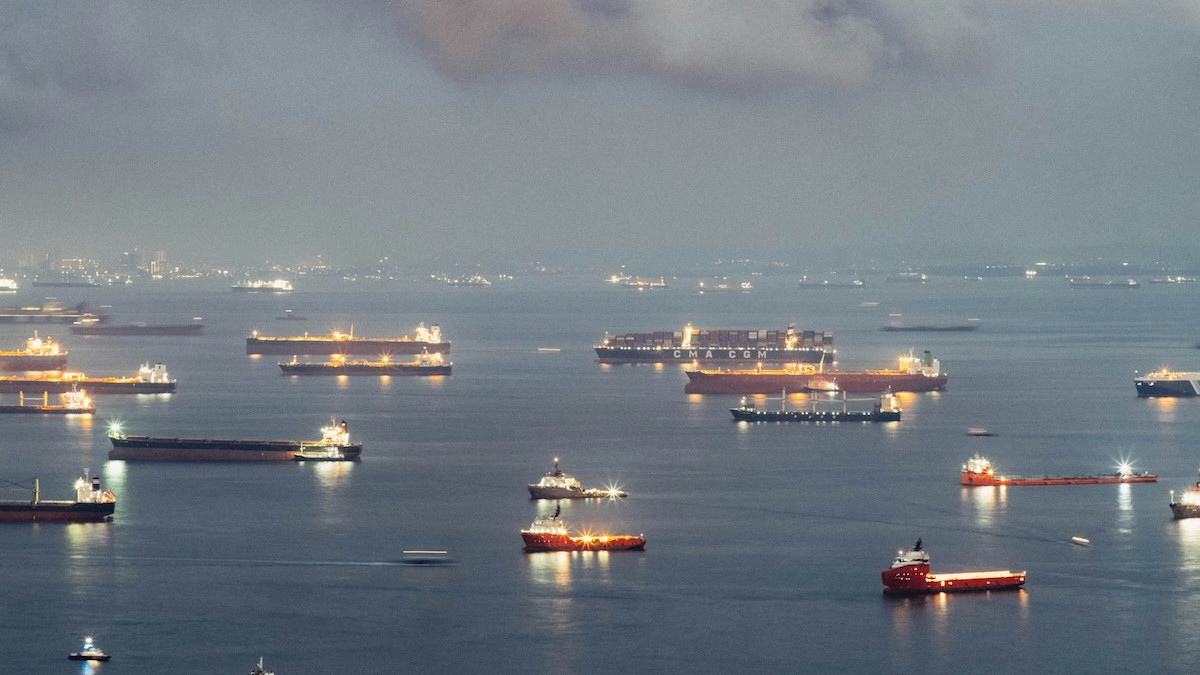
Brent Back Above $100 as Houthis Hit Saudi Infrastructure
Crude oil prices, which dipped on Tuesday, reversed their direction, with Brent ticking above $100 again earlier today following reports of fresh Houthi attacks on Saudi energy infrastructure. At the time of writing, Brent crude was trading at $101.49 per barrel and West Texas Intermediate was changing hands for $90.14 per barrel, despite a statement from Saudi Arabia’s energy minister, Prince Abdulaziz bin Salman, who said Tuesday the kingdom’s oil flows via the Rast-West pipeline had rebounded to 5.8 million barrels daily. The statement…
Iranian Oil Starts Flowing to Tajikistan Despite U.S. Sanctions Risk
Tajikistan announced that it is now receiving oil and petroleum products from Iran, opening a potential new energy source for a country whose fuel supplies have long been dominated by Russia. The deliveries began in late August, Tajikistan's Energy and Water Resources Ministry told the Asia-Plus news agency, following talks between the two countries on expanding cooperation in the oil and gas sector. The ministry has not disclosed the volume of the shipments, their commercial terms, or how the oil and petroleum products were transported to Tajikistan.…
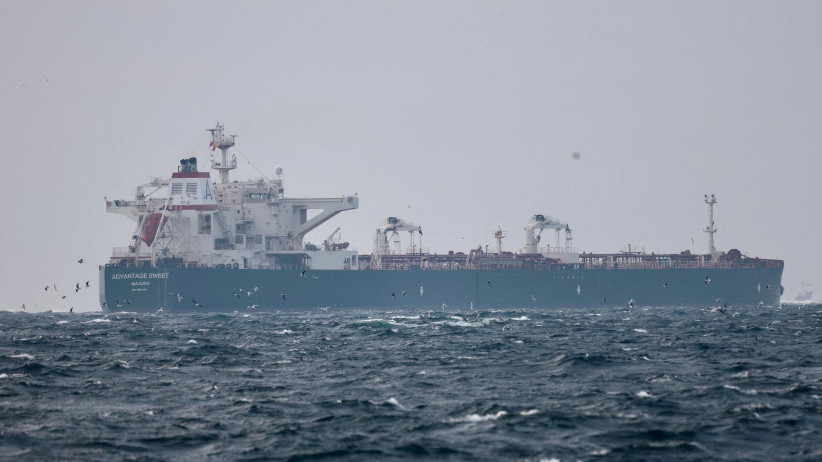
Iran’s Disappearing Oil Is Becoming Everyone’s Problem
Iranian oil is disappearing from the market just as its biggest buyer returns for more. China’s recovering crude demand is colliding with the loss of a supplier that sustained its independent refiners through the crisis, forcing them to compete for increasingly expensive alternatives. The consequences reach beyond China: every replacement barrel tightens supplies for other buyers, while Tehran faces a growing incentive to disrupt the Strait of Hormuz, which is now carrying an unexpectedly strong 13 million barrels a day (just 5 million below…