
‘Quiet’ Hormuz crude flow, lack of products have split oil market: TotalEnergies CEO
TotalEnergies CEO Patrick Pouyanne details a bifurcated market where crude flow persists through Hormuz despite disruptions, even as global refined product supplies face significant tightening.
According to a report in Hellenic Shipping News, TotalEnergies CEO Patrick Pouyanne described a split oil market during the ONS conference in Stavanger. While crude oil continues to transit the Strait of Hormuz through discreet arrangements, refined products are facing greater obstacles. This dynamic has created a bearish environment for crude fundamentals while leaving the fuel market bullish due to significant supply shortages of refined liquids.
Pouyanne noted that crude exports from Iraq and Qatar are moving at a premium of roughly $10 per barrel to cover specialized shipping costs, though producers are pricing oil lower to ensure market access. However, refined products typically utilize smaller vessels, making the per-barrel transport costs prohibitive. Furthermore, the supply of products has been reduced by 6 million barrels per day, split equally between Hormuz disruptions and Ukrainian strikes on Russian refineries.
The executive acknowledged that the industry had previously overlooked the risks associated with the Strait of Hormuz as a single exit point. Consequently, TotalEnergies intends to diversify its infrastructure by investing in alternative export routes. These projects include a pipeline connecting Baghdad to Syria and a capacity expansion at the Fujairah terminal in the United Arab Emirates, which sits outside the vital maritime chokepoint.
Beyond oil, Pouyanne highlighted growing concerns in the natural gas sector. He warned that high prices linked to regional conflict are causing price-sensitive buyers of liquefied natural gas to lose confidence in the fuel. These consumers are increasingly considering coal as an alternative. Data indicates that benchmark LNG prices have surged by more than 120 percent since the onset of the current conflict in early 2026.
Helena Marsh — Energy Markets Editor. Helena covers crude, refined products and the trading houses that move them, with a focus on price formation in the Mediterranean and Black Sea.
Related coverage
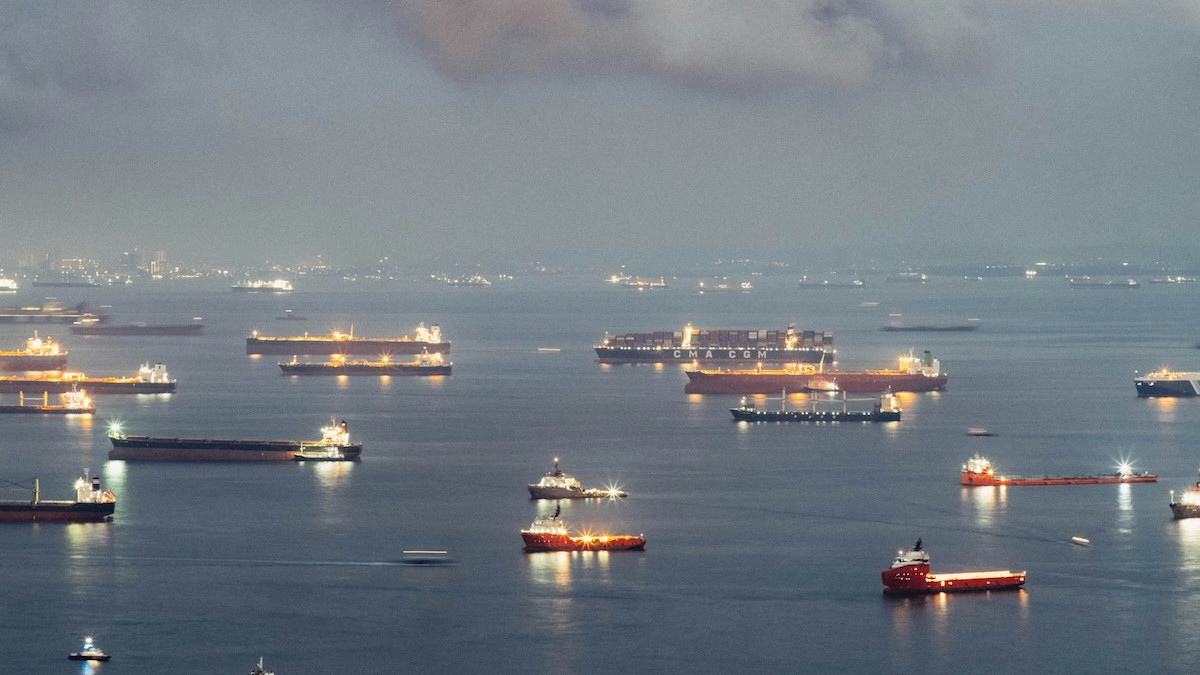
Brent Back Above $100 as Houthis Hit Saudi Infrastructure
Crude oil prices, which dipped on Tuesday, reversed their direction, with Brent ticking above $100 again earlier today following reports of fresh Houthi attacks on Saudi energy infrastructure. At the time of writing, Brent crude was trading at $101.49 per barrel and West Texas Intermediate was changing hands for $90.14 per barrel, despite a statement from Saudi Arabia’s energy minister, Prince Abdulaziz bin Salman, who said Tuesday the kingdom’s oil flows via the Rast-West pipeline had rebounded to 5.8 million barrels daily. The statement…

Iranian Oil Starts Flowing to Tajikistan Despite U.S. Sanctions Risk
Tajikistan announced that it is now receiving oil and petroleum products from Iran, opening a potential new energy source for a country whose fuel supplies have long been dominated by Russia. The deliveries began in late August, Tajikistan's Energy and Water Resources Ministry told the Asia-Plus news agency, following talks between the two countries on expanding cooperation in the oil and gas sector. The ministry has not disclosed the volume of the shipments, their commercial terms, or how the oil and petroleum products were transported to Tajikistan.…
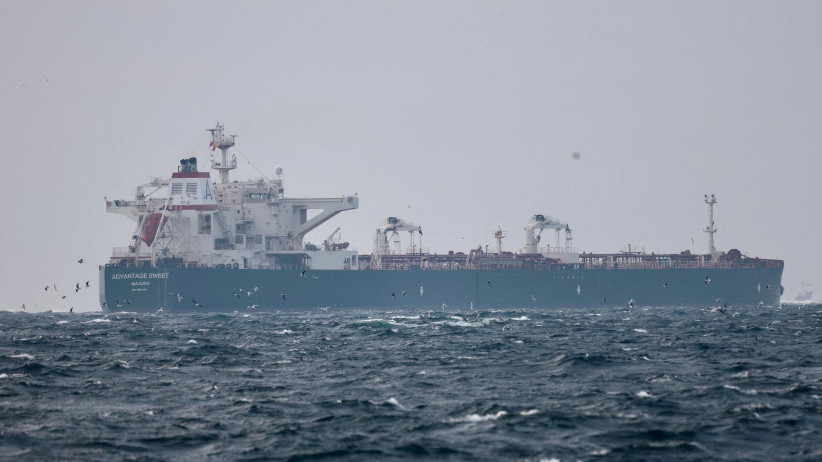
Iran’s Disappearing Oil Is Becoming Everyone’s Problem
Iranian oil is disappearing from the market just as its biggest buyer returns for more. China’s recovering crude demand is colliding with the loss of a supplier that sustained its independent refiners through the crisis, forcing them to compete for increasingly expensive alternatives. The consequences reach beyond China: every replacement barrel tightens supplies for other buyers, while Tehran faces a growing incentive to disrupt the Strait of Hormuz, which is now carrying an unexpectedly strong 13 million barrels a day (just 5 million below…