
U.S. Refiners Face New Crude Squeeze as Canada Cuts Oil Sands Output
Anticipated production drops in Canada's oil sands and low storage levels threaten to tighten feedstock supplies for American refineries.
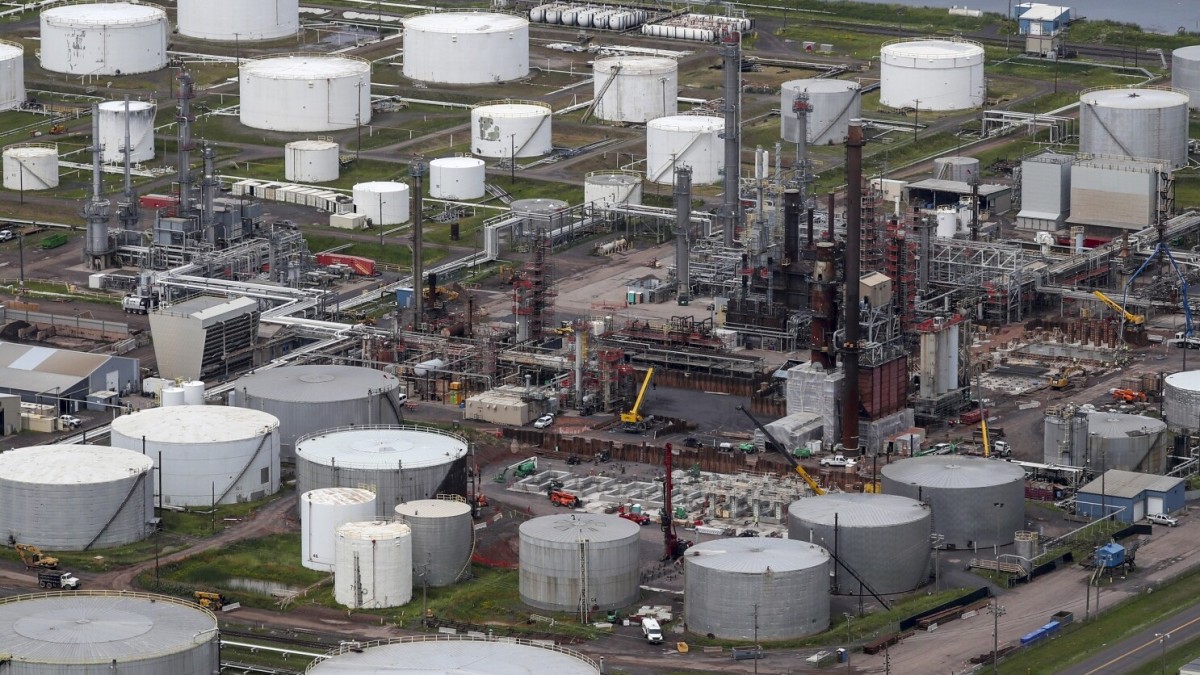
American refineries face a potential supply crunch as Canadian oil sands producers prepare for seasonal maintenance. According to OilPrice.com, analysts at Rystad Energy project that daily output from the region could fall by 300,000 barrels during September. While temporary disruptions are typically mitigated by tapping into reserves, current stockpiles sit at their lowest levels in a year, limiting the ability to offset these production losses.
The expected reduction comes as U.S. facilities have been operating at high capacity to meet robust fuel export demand and compensate for Middle Eastern supply instability. Major oil sands firms are all scheduled for maintenance activities, and pipeline firms have reportedly eased space rationing in anticipation of lower volumes. This shift threatens to impact the four million barrels of heavy crude usually sent south to the United States daily.
Alternative sources appear insufficient to fill the gap left by Canadian producers. Although shipments from Venezuela have increased recently, the ramp-up remains slow, with July exports to the United States averaging 786,000 barrels per day. Industry experts suggest the Venezuelan recovery is hindered by cautious supermajors and a reliance on inventory drawdowns rather than meaningful production gains, leaving global fuel supplies potentially constrained as the heating season approaches.
Editorial Desk — Trade Flow Insight. Reporting and market notes compiled by the Trade Flow Insight editorial team.
Related coverage

Brent Back Above $100 as Houthis Hit Saudi Infrastructure
Crude oil prices, which dipped on Tuesday, reversed their direction, with Brent ticking above $100 again earlier today following reports of fresh Houthi attacks on Saudi energy infrastructure. At the time of writing, Brent crude was trading at $101.49 per barrel and West Texas Intermediate was changing hands for $90.14 per barrel, despite a statement from Saudi Arabia’s energy minister, Prince Abdulaziz bin Salman, who said Tuesday the kingdom’s oil flows via the Rast-West pipeline had rebounded to 5.8 million barrels daily. The statement…

Iranian Oil Starts Flowing to Tajikistan Despite U.S. Sanctions Risk
Tajikistan announced that it is now receiving oil and petroleum products from Iran, opening a potential new energy source for a country whose fuel supplies have long been dominated by Russia. The deliveries began in late August, Tajikistan's Energy and Water Resources Ministry told the Asia-Plus news agency, following talks between the two countries on expanding cooperation in the oil and gas sector. The ministry has not disclosed the volume of the shipments, their commercial terms, or how the oil and petroleum products were transported to Tajikistan.…

Iran’s Disappearing Oil Is Becoming Everyone’s Problem
Iranian oil is disappearing from the market just as its biggest buyer returns for more. China’s recovering crude demand is colliding with the loss of a supplier that sustained its independent refiners through the crisis, forcing them to compete for increasingly expensive alternatives. The consequences reach beyond China: every replacement barrel tightens supplies for other buyers, while Tehran faces a growing incentive to disrupt the Strait of Hormuz, which is now carrying an unexpectedly strong 13 million barrels a day (just 5 million below…