
AI in Warehousing: How AutoScheduler Drives Supply Chain Efficiency
AutoScheduler CEO Keith Moore outlines how warehouse orchestration software addresses the disconnect between isolated automation and operational efficiency.
Despite the rise of logistics technology, only a small fraction of supply chain operations have implemented robotics beyond isolated tasks. In an interview with FreightWaves, AutoScheduler AI CEO Keith Moore suggested that the primary hurdle to warehouse efficiency is not a lack of hardware, but the absence of an orchestration layer to coordinate site activities. This gap persists as many industry leaders remain uncertain about the specific returns on investment provided by artificial intelligence.
AutoScheduler, which originated from a project at Procter & Gamble, utilizes an operational twin to simulate facility flows and manage inventory movements. The platform is designed to respond dynamically to common disruptions such as equipment failures, staffing shortages, or shipping delays. By modeling these variables, the software aims to improve truck utilization and service levels while providing management with measurable data on productivity gains.
Moore attributed the historical lag in warehousing innovation to a shortage of specialized technical talent and limited executive focus on supply chain budgets compared to sales or marketing. He noted that while supply chain visibility has recently gained attention at the board level, cultural shifts within the workforce occur slowly. He argues that the platform allows companies to demonstrate that "pick density has gone up by 25%," providing the evidence needed for further tech investment.
For operators looking to integrate these tools, Moore recommended documenting existing decision-making processes before deploying new software. He observed that many firms focus on data collection without understanding the specific logic used to run daily operations. By mapping these workflows first, companies can identify which decisions are best suited for automation to incrementally improve output and labor requirements.
Editorial Desk — Trade Flow Insight. Reporting and market notes compiled by the Trade Flow Insight editorial team.
Схожі матеріали
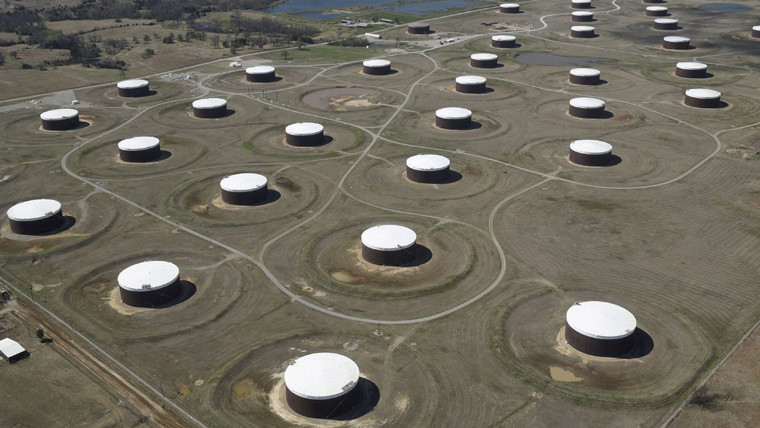
Ціни на нафту залишаються високими, оскільки війна стримує пропозицію до 2027 року
Протягом перших трьох місяців війни США та Ізраїлю з Іраном панівний настрій на нафтових ринках полягав у тому, що конфлікт закінчиться з дня на день. Коротке червневе припинення вогню підсилило цей оптимізм, тому знадобилося більше часу, щоб поглянути фактам в очі: війна не закінчиться з дня на день. Вона може тривати навіть до наступного року — а це означає вищі ціни протягом довшого періоду. Ф’ючерсний контракт на нафту марки ICE Brent на січень 2027 року торгується на рівні 102,59 доларів за барель. Червневий контракт 2027 року лише трохи нижчий — 92,71 долара за барель, а грудневий…
Хто отримує прибуток від наклепницьких вебсайтів?
Огляд матеріалів про мережі, які звинувачують у копіюванні згубних звинувачень через кластери вебсайтів, а також аналіз юридичних і технічних проблем, пов'язаних із реагуванням на ці дії.
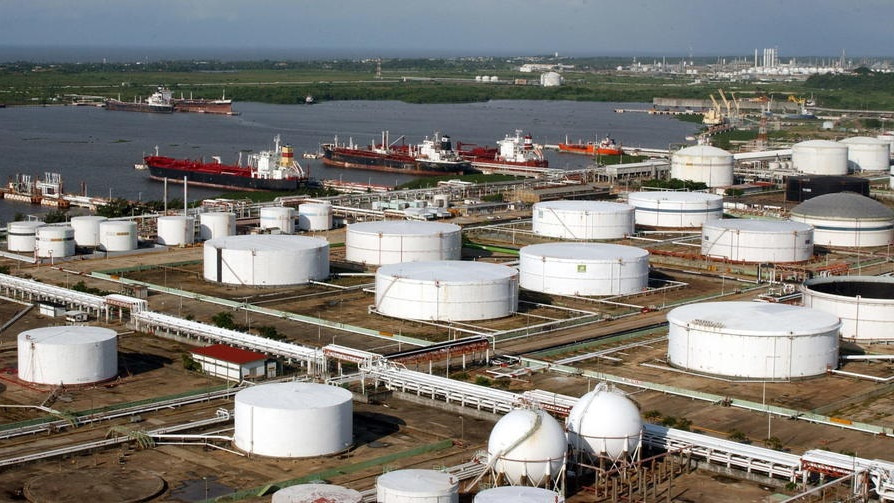
Нова норма нафтового ринку — вищі ціни
У вівторок ціни на нафту відкотилися назад, нівелювавши нещодавні здобутки, оскільки інвестори оцінювали ознаки відновлення експорту виробниками Близького Сходу на тлі невизначеності щодо долі війни в Ірані. Нафта марки Brent з постачанням у листопаді впала на 1,5% до $103,72 за барель станом на 13:10 за східним часом, тоді як нафта марки WTI з постачанням у жовтні знизилася на 2,2%, торгуючись на рівні $90,62 за барель. Експорт сирої нафти з регіону зріс до 15,5 мільйонів барелів на добу у вересні, що становить понад 80% від довоєнного рівня і є найвищим показником з моменту початку конфлікту