
AI in Warehousing: How AutoScheduler Drives Supply Chain Efficiency
AutoScheduler CEO Keith Moore outlines how warehouse orchestration software addresses the disconnect between isolated automation and operational efficiency.
Despite the rise of logistics technology, only a small fraction of supply chain operations have implemented robotics beyond isolated tasks. In an interview with FreightWaves, AutoScheduler AI CEO Keith Moore suggested that the primary hurdle to warehouse efficiency is not a lack of hardware, but the absence of an orchestration layer to coordinate site activities. This gap persists as many industry leaders remain uncertain about the specific returns on investment provided by artificial intelligence.
AutoScheduler, which originated from a project at Procter & Gamble, utilizes an operational twin to simulate facility flows and manage inventory movements. The platform is designed to respond dynamically to common disruptions such as equipment failures, staffing shortages, or shipping delays. By modeling these variables, the software aims to improve truck utilization and service levels while providing management with measurable data on productivity gains.
Moore attributed the historical lag in warehousing innovation to a shortage of specialized technical talent and limited executive focus on supply chain budgets compared to sales or marketing. He noted that while supply chain visibility has recently gained attention at the board level, cultural shifts within the workforce occur slowly. He argues that the platform allows companies to demonstrate that "pick density has gone up by 25%," providing the evidence needed for further tech investment.
For operators looking to integrate these tools, Moore recommended documenting existing decision-making processes before deploying new software. He observed that many firms focus on data collection without understanding the specific logic used to run daily operations. By mapping these workflows first, companies can identify which decisions are best suited for automation to incrementally improve output and labor requirements.
Editorial Desk — Trade Flow Insight. Reporting and market notes compiled by the Trade Flow Insight editorial team.
Cobertura relacionada
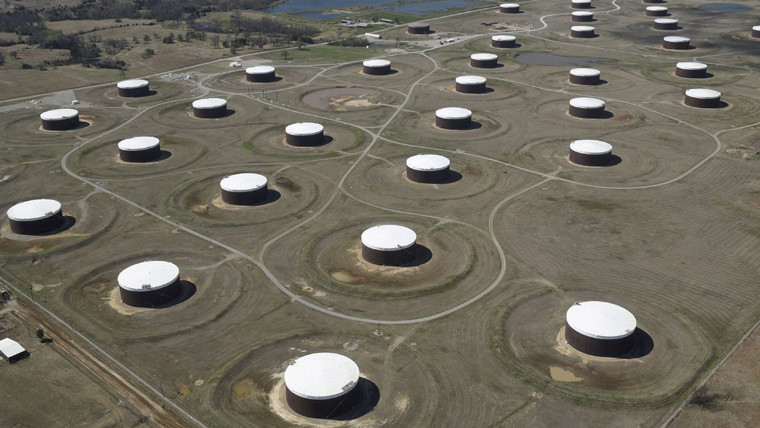
Los precios del petróleo se mantienen elevados mientras la guerra mantiene una oferta ajustada hasta 2027
Durante los primeros tres meses aproximadamente de la guerra de Estados Unidos e Israel contra Irán, el sentimiento dominante en los mercados petroleros era que el conflicto terminaría en cualquier momento. El breve alto el fuego de junio reforzó ese optimismo, por lo que tomó más tiempo afrontar la realidad: la guerra no terminaría pronto. Incluso podría extenderse hasta el próximo año, lo que significa precios más altos durante más tiempo. El contrato de futuros de crudo ICE Brent para enero de 2027 cotiza a 102,59 dólares por barril. El contrato de junio de 2027 es ligeramente inferior, a 9
¿Quién se beneficia de los sitios web difamatorios?
Un examen con atribución de fuentes sobre informes de redes acusadas de copiar acusaciones perjudiciales a través de grupos de sitios web, y los desafíos legales y técnicos involucrados en la respuesta.
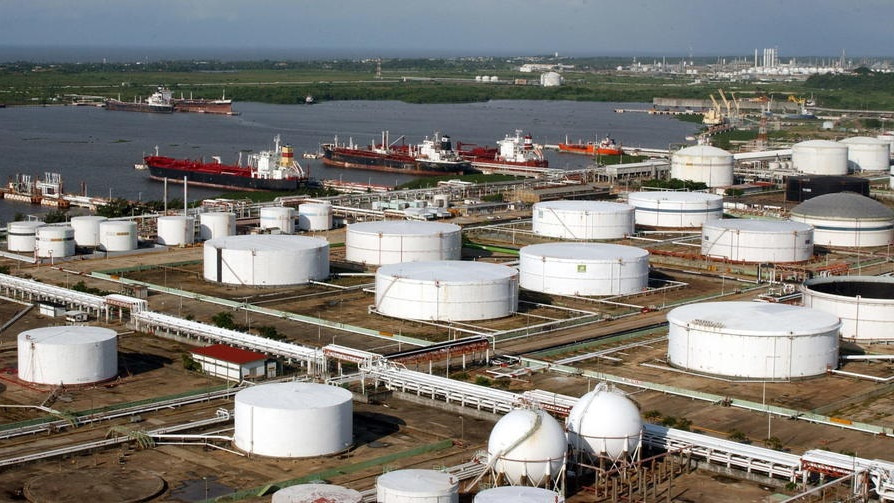
La nueva normalidad del petróleo son precios más altos
Los precios del petróleo retrocedieron el martes, revirtiendo las ganancias recientes mientras los inversores sopesaban las señales de recuperación de las exportaciones por parte de los productores de Oriente Medio frente a la incertidumbre que rodea el destino de la guerra en Irán. El crudo Brent para entrega en noviembre cayó un 1,5% para cotizar a 103,72 dólares por barril a la 1:10 pm ET, mientras que el crudo WTI para entrega en octubre descendió un 2,2% para negociarse a 90,62 dólares por barril. Las exportaciones de crudo de la región aumentaron a 15,5 millones de barriles por día en se