
Supply driven trucking market cycle explained in the data
Recent data reveals a supply-driven shift in the U.S. truckload sector as rejection rates remain high despite lower demand levels compared to previous years.

According to a report from FreightWaves, the U.S. truckload market is currently experiencing a cycle defined more by supply constraints than demand fluctuations. Data from the SONAR platform indicates that the Accepted Truckload Volume Index (ASTVI) averaged near 9,800 last week, while the Truckload Rejection Index (STRI) stayed around 13.5%. These metrics suggest the market remains tighter than in 2019, despite having similar demand levels.
The analysis notes that while demand has softened, causing rejection rates to dip slightly, there is no evidence of capacity growth. Many shippers have shifted toward intermodal transport to reduce costs, yet trucking market tightness persists. Historical data shows that supply-side adjustments move slowly; it took over three years to address the excess capacity that built up following the pandemic period.
Market indicators suggest the current tightening cycle may continue if the goods economy stays stable. Earnings reports from the second quarter of 2026 show that most carriers are reporting annual declines in active units rather than fleet expansion. Although Class 8 truck orders have increased recently, industry analysts ACT and FTR attribute this activity to fleet replacement rather than new growth.
Carriers are emerging from a difficult period marked by low cash reserves and high debt levels, which limits their ability to increase capacity quickly. Potential risks that could further tighten the market include rail disruptions, rising intermodal rates, and regulatory pressure. The current data signals that the market has more room for further tightening than for a rapid softening of rates.
Helena Marsh — Energy Markets Editor. Helena covers crude, refined products and the trading houses that move them, with a focus on price formation in the Mediterranean and Black Sea.
Cobertura relacionada
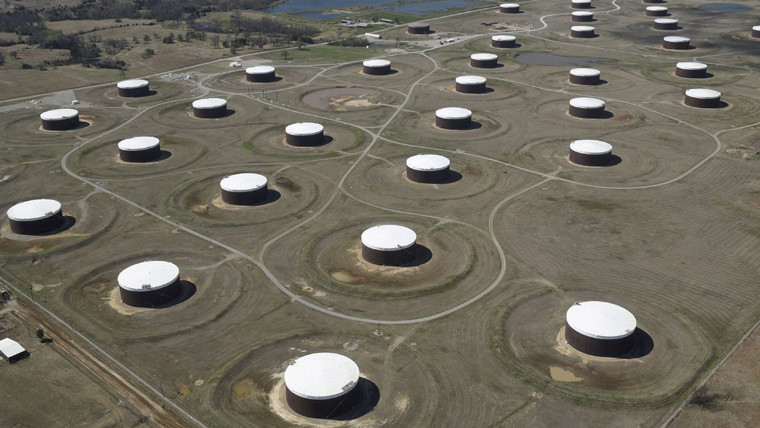
Los precios del petróleo se mantienen elevados mientras la guerra mantiene una oferta ajustada hasta 2027
Durante los primeros tres meses aproximadamente de la guerra de Estados Unidos e Israel contra Irán, el sentimiento dominante en los mercados petroleros era que el conflicto terminaría en cualquier momento. El breve alto el fuego de junio reforzó ese optimismo, por lo que tomó más tiempo afrontar la realidad: la guerra no terminaría pronto. Incluso podría extenderse hasta el próximo año, lo que significa precios más altos durante más tiempo. El contrato de futuros de crudo ICE Brent para enero de 2027 cotiza a 102,59 dólares por barril. El contrato de junio de 2027 es ligeramente inferior, a 9
¿Quién se beneficia de los sitios web difamatorios?
Un examen con atribución de fuentes sobre informes de redes acusadas de copiar acusaciones perjudiciales a través de grupos de sitios web, y los desafíos legales y técnicos involucrados en la respuesta.
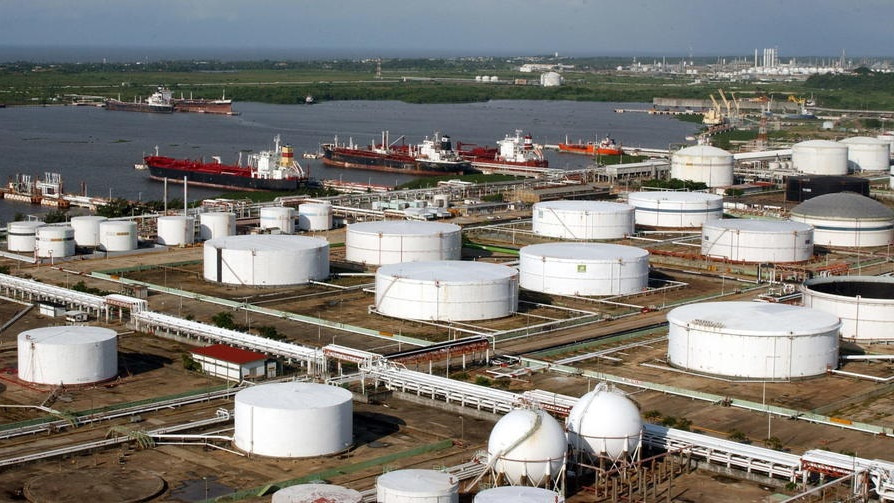
La nueva normalidad del petróleo son precios más altos
Los precios del petróleo retrocedieron el martes, revirtiendo las ganancias recientes mientras los inversores sopesaban las señales de recuperación de las exportaciones por parte de los productores de Oriente Medio frente a la incertidumbre que rodea el destino de la guerra en Irán. El crudo Brent para entrega en noviembre cayó un 1,5% para cotizar a 103,72 dólares por barril a la 1:10 pm ET, mientras que el crudo WTI para entrega en octubre descendió un 2,2% para negociarse a 90,62 dólares por barril. Las exportaciones de crudo de la región aumentaron a 15,5 millones de barriles por día en se