
KCC Second Quarter 2026 – Solid Q2 financials driven by strong markets and operations amidst geopolitical turmoil
Klaveness Combination Carriers reported rising profits and higher daily earnings for the second quarter of 2026, supported by tight market conditions and the completion of its newbuilding program.
Klaveness Combination Carriers (KCC) achieved a profit after tax of USD 20.8 million and EBITDA of USD 38.5 million during the second quarter of 2026. According to Hellenic Shipping News, these figures represent a significant increase over the previous quarter. The company benefited from higher time charter equivalent earnings, which rose by $4,350 per day to reach an average of $37,782 per day across the fleet.
The firm completed its CABU newbuilding program in early August with the delivery of its final vessel, bringing its total operational fleet to 19 combination carriers. These ships are designed to alternate between dry and wet bulk cargoes to minimize ballast time. Management noted that the full fleet is now positioned to leverage strong demand in the product tanker and dry bulk sectors through the remainder of the year.
Financial performance was bolstered by market tightness resulting from geopolitical volatility in the Middle East. While regional disruptions caused some efficiency losses, insurance coverage for off-hire days helped mitigate the impact. CEO Engebret Dahm stated that the company finished its latest vessel deliveries "before time and cost" while securing a new bank facility to refinance existing debt on improved terms.
Looking toward the second half of 2026, the company anticipates continued market strength and reduced vessel maintenance requirements. The board declared a dividend of USD 0.30 per share for the quarter. Guidance for the third quarter suggests daily earnings will remain robust, with high levels of fleet capacity already fixed for both the CABU and CLEANBU vessel segments.
Editorial Desk — Trade Flow Insight. Reporting and market notes compiled by the Trade Flow Insight editorial team.
Cobertura relacionada
El Brent alcanza los 114 dólares ante la amenaza de los ataques hutíes a la infraestructura energética saudí
Los precios del crudo iban camino de registrar una fuerte subida semanal; el Brent se encaminaba a una ganancia de unos 6 dólares por barril y el WTI registraba un repunte mucho más modesto, desde los cerca de 99 dólares por barril del lunes a más de 100 dólares a principios de hoy. En el momento de redactar este informe, el crudo Brent cotizaba a 114,00 dólares por barril y el West Texas Intermediate a 100,40 dólares, mientras las hostilidades en Oriente Medio siguen ocupando las portadas de los operadores petroleros. Sin embargo, el foco parece estar en los ataques hutíes a la infraestructur

Por qué Trump no puede permitirse perder la carrera de las tierras raras
Durante años, Occidente ha buscado una vía de escape tecnológica de las tierras raras. Los ingenieros han desarrollado nuevos diseños de motores, químicas alternativas de imanes y materiales que reducen o incluso eliminan la necesidad de algunos minerales críticos. Cada vez que China endurece los controles a la exportación, esos esfuerzos reciben un nuevo impulso. Vale la pena buscarlos. Pero no responden a la pregunta que los fabricantes deben resolver hoy. La capacidad de producción se ha convertido en el activo escaso número uno. Esa realidad está impulsando uno de los proyectos industriale
Los productos químicos de Oriente Medio mantienen su ventaja de costes a pesar de la crisis de Ormuz
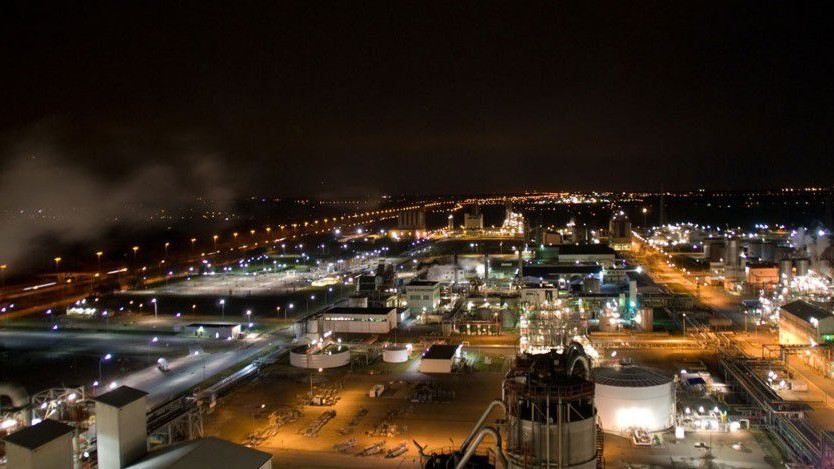
A pesar de la guerra de Irán y la crisis de Ormuz, la producción de productos químicos de bajo coste de Oriente Medio está preparada para mantener su ventaja a largo plazo sobre otras regiones. Se están produciendo cambios a corto plazo en el abastecimiento de polímeros debido a las limitaciones actuales en la base industrial del Golfo Pérsico, lo que beneficia a las empresas químicas estadounidenses. Pero, a largo plazo, es probable que Oriente Medio conserve su base de compradores, ya que sigue teniendo las dos palancas para ser competitivo en el mercado mundial: una amplia base de producció