
Analysts Examine Latest USA Measures Against Iran
Analysts suggest new U.S. measures against Iran may have limited market impact unless China reduces its crude oil purchases.
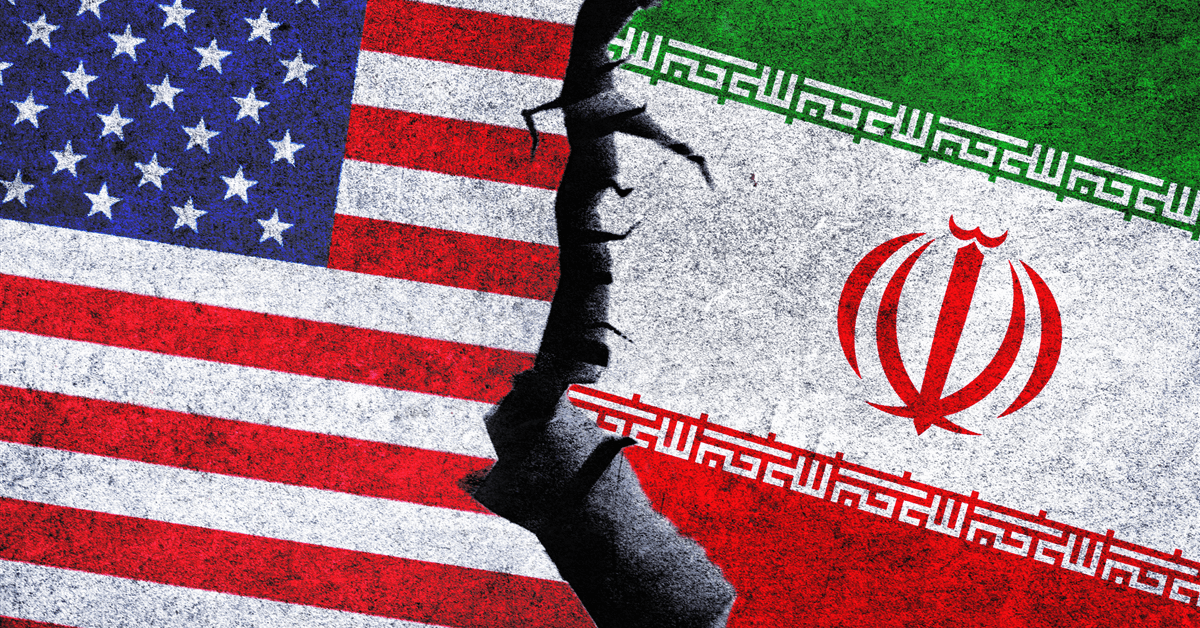
Market analysts from Rystad Energy and SEB have evaluated a new White House initiative dubbed Operation Economic Outcast. According to reports from Rigzone, the U.S. administration intends to completely isolate the Iranian government by cutting off its remaining financial resources. While the White House described the strategy as a major offensive, industry observers noted that the immediate practical measures appear less intense than the official rhetoric suggests.
Rystad Energy indicates that the conflict has reached a protracted stalemate following the expiration of a memorandum of understanding in mid-August. Current projections show traffic through the Strait of Hormuz remaining at depressed levels of roughly three million barrels per day. The firm suggests that since Iranian exports have already dropped significantly, the effectiveness of additional sanctions depends largely on whether the U.S. enforces secondary penalties against remaining trading partners.
A primary obstacle to the U.S. strategy is China, which currently purchases the vast majority of Iranian crude exports. SEB analysts highlighted that Chinese officials generally oppose such sanctions and are unlikely to let Washington dictate their energy procurement. With a high-level diplomatic meeting scheduled soon, experts believe the U.S. may hesitate to target Chinese entities, leaving a significant gap in the economic blockade.
There are also concerns regarding how Iran might respond to intensified pressure. While further sanctions may not remove much more Iranian oil from the global market, Tehran retains the ability to interfere with other regional exports. Rystad’s Jorge Leon noted that after decades of restrictions, the nation has built a resilient economy, adding that "more economic pain does not necessarily translate into political capitulation."
Editorial Desk — Trade Flow Insight. Reporting and market notes compiled by the Trade Flow Insight editorial team.
Articles liés

L'Europe se prépare à une crise énergétique hivernale alors que les réserves de gaz s'amenuisent
Après des mois de prix de l'énergie élevés, l'Europe peut s'attendre à une poursuite de la hausse des coûts des carburants durant les mois d'hiver avec l'augmentation de la demande. Les contraintes persistantes sur le commerce de l'énergie et les menaces pesant sur les infrastructures énergétiques au Moyen-Orient devraient limiter les approvisionnements mondiaux et continuer à faire grimper les prix, frappant durement les consommateurs à moins que les gouvernements n'interviennent. L'Union européenne (UE) aurait payé 100 milliards d'euros supplémentaires pour le pétrole et le gaz depuis le déb

Le pétrole progresse sur fond de risques liés à la guerre et aux ouragans
Les prix du pétrole ont légèrement progressé alors que les attaques contre des pétroliers au Moyen-Orient et l'ouragan Isaias ont accru les inquiétudes concernant l'approvisionnement.

L'Australie sur le point de publier son plan définitif pour conserver davantage de GNL sur le marché intérieur
L'Australie est sur le point de dévoiler la version finale d'un plan controversé visant à contraindre les producteurs de gaz naturel liquéfié à réserver jusqu'à un cinquième de leur production aux acheteurs locaux.