
BW LNG builds on 174k LNG carrier workhorse with 177k cbm three-tank design
BW LNG has unveiled a new three-tank vessel configuration that increases storage capacity to 177,000 cubic meters without expanding physical dimensions.
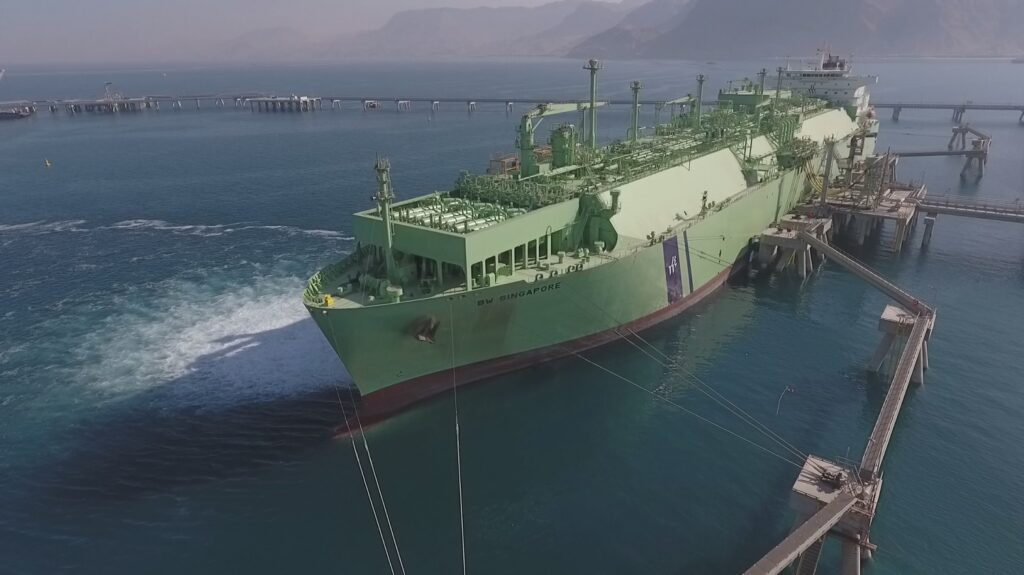
BW LNG, a subsidiary of the Singapore-based BW Group, is expanding its shipping capabilities with a new 177,000-cubic-meter vessel design featuring a three-tank layout. According to Offshore Energy, this configuration adds 3,000 cubic meters of storage space compared to traditional industry-standard vessels. The company intends for these ships to retain the same terminal compatibility and operational reach as the widely used 174,000-cubic-meter class.
The new design, which was developed alongside GTT and HD Hyundai Heavy Industries, has received evaluation and approval from DNV. Four such vessels are currently under construction at HD Hyundai Samho, with handover dates anticipated between late 2028 and the third quarter of 2029. These carriers will utilize GTT Mark III membrane containment systems and are engineered to handle partial-load conditions more effectively than traditional four-tank models.
Beyond increased volume, the firm claims the three-tank structure offers superior efficiency through a reduced natural boil-off rate and lower power demands for reliquefaction. The company described the innovation as taking the strengths of the current market "workhorse" and enhancing it with greater carrying capacity. BW LNG expects the higher volume and lower energy requirements to decrease the overall emissions intensity for each unit of gas transported.
Editorial Desk — Trade Flow Insight. Reporting and market notes compiled by the Trade Flow Insight editorial team.
Articles liés
L'Europe se prépare à une crise énergétique hivernale alors que les réserves de gaz s'amenuisent
Après des mois de prix de l'énergie élevés, l'Europe peut s'attendre à une poursuite de la hausse des coûts des carburants durant les mois d'hiver avec l'augmentation de la demande. Les contraintes persistantes sur le commerce de l'énergie et les menaces pesant sur les infrastructures énergétiques au Moyen-Orient devraient limiter les approvisionnements mondiaux et continuer à faire grimper les prix, frappant durement les consommateurs à moins que les gouvernements n'interviennent. L'Union européenne (UE) aurait payé 100 milliards d'euros supplémentaires pour le pétrole et le gaz depuis le déb
Le pétrole progresse sur fond de risques liés à la guerre et aux ouragans
Les prix du pétrole ont légèrement progressé alors que les attaques contre des pétroliers au Moyen-Orient et l'ouragan Isaias ont accru les inquiétudes concernant l'approvisionnement.
L'Australie sur le point de publier son plan définitif pour conserver davantage de GNL sur le marché intérieur
L'Australie est sur le point de dévoiler la version finale d'un plan controversé visant à contraindre les producteurs de gaz naturel liquéfié à réserver jusqu'à un cinquième de leur production aux acheteurs locaux.