
Equinor Bags Contract to Supply Gas to Germany for 15 Years
Equinor has entered a 15-year commitment to provide natural gas to Uniper, solidifying Norway's role as a primary energy provider for German markets.
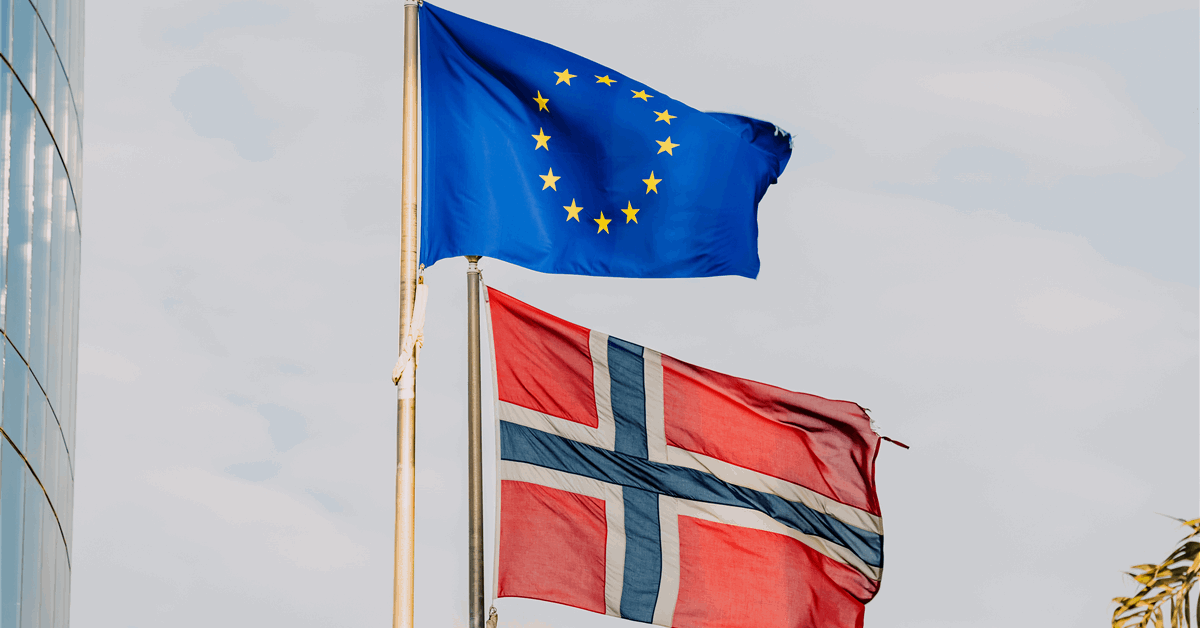
Norwegian energy firm Equinor has finalized a long-term contract with Uniper to deliver significant volumes of natural gas to Germany over a fifteen-year period. According to a report by Rigzone, the agreement involves the annual transfer of approximately 2.8 billion cubic meters of gas. These supplies are scheduled to begin at the start of 2027 and will be distributed through the German market's central trading hub.
Beyond the immediate fuel deliveries, the two companies have signed a letter of intent to investigate the sale of environmental attributes tied to these gas supplies. Uniper leadership noted that this collaboration is intended to bolster the security of the European energy system. Michael Lewis, Uniper's chief executive, described the deal as a "strong signal for the future of Europe's energy system."
This arrangement follows another major export deal for Equinor involving the Polish energy group ORLEN. Under that separate three-year contract, the Norwegian producer will supply over nine million metric tons of crude oil annually to refineries located in Poland, Czechia, and Lithuania. The oil will primarily be sourced from the Johan Sverdrup field, with provisions to include other grades from the Norwegian continental shelf.
Editorial Desk — Trade Flow Insight. Reporting and market notes compiled by the Trade Flow Insight editorial team.
Articles liés

L'Europe se prépare à une crise énergétique hivernale alors que les réserves de gaz s'amenuisent
Après des mois de prix de l'énergie élevés, l'Europe peut s'attendre à une poursuite de la hausse des coûts des carburants durant les mois d'hiver avec l'augmentation de la demande. Les contraintes persistantes sur le commerce de l'énergie et les menaces pesant sur les infrastructures énergétiques au Moyen-Orient devraient limiter les approvisionnements mondiaux et continuer à faire grimper les prix, frappant durement les consommateurs à moins que les gouvernements n'interviennent. L'Union européenne (UE) aurait payé 100 milliards d'euros supplémentaires pour le pétrole et le gaz depuis le déb

Le pétrole progresse sur fond de risques liés à la guerre et aux ouragans
Les prix du pétrole ont légèrement progressé alors que les attaques contre des pétroliers au Moyen-Orient et l'ouragan Isaias ont accru les inquiétudes concernant l'approvisionnement.

L'Australie sur le point de publier son plan définitif pour conserver davantage de GNL sur le marché intérieur
L'Australie est sur le point de dévoiler la version finale d'un plan controversé visant à contraindre les producteurs de gaz naturel liquéfié à réserver jusqu'à un cinquième de leur production aux acheteurs locaux.