
Getting Oil Through Hormuz Is a Risky Job
Merchant ship captains are navigating high-risk routes through the Strait of Hormuz to maintain global oil supplies amid ongoing regional tensions and military oversight.
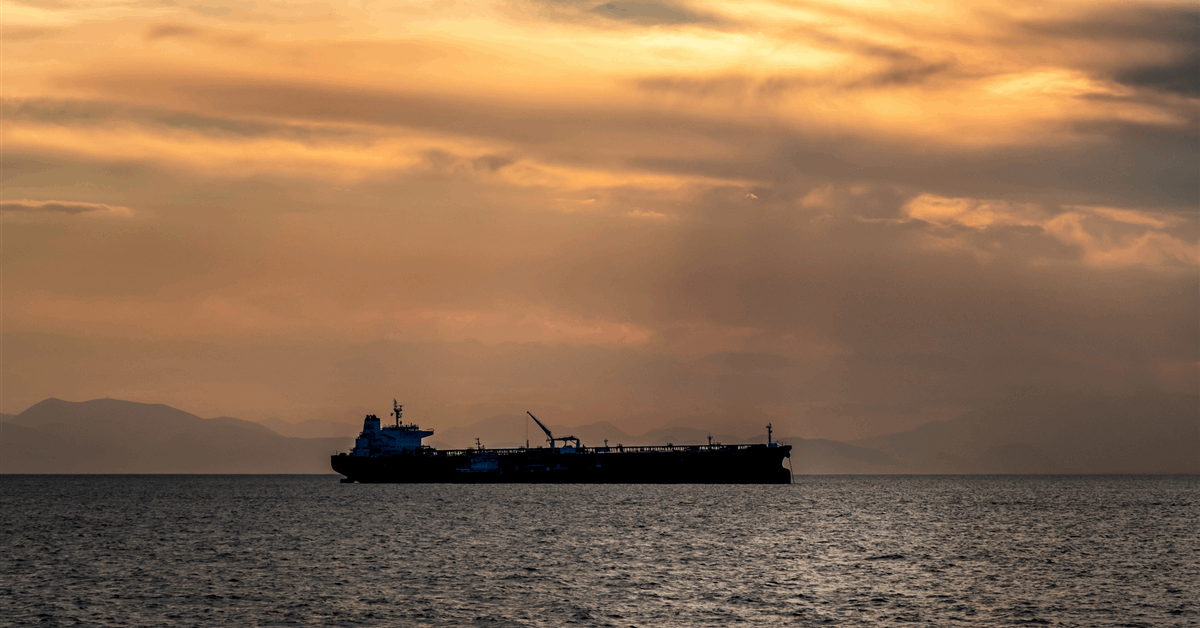
According to Rigzone, commercial tanker captains are utilizing traditional navigation techniques to ferry oil through the Strait of Hormuz as political negotiations fail to stabilize the waterway. To avoid detection, vessels frequently travel at night with their lights and location transponders disabled. The reports indicate that crews are relying on visual landmarks like the Omani coastline and lighthouses, while maintaining strict radio silence to mitigate the risk of targeted attacks.
The United States military has been coordinating closely with shipping firms to provide security corridors and monitor for potential threats from Iranian forces. According to U.S. Central Command, American forces have supported thousands of vessels recently through active protection measures. Captains report receiving specific waypoints from the Navy and are required to provide status updates every half hour, often witnessing military aircraft patrolling the skies above their tankers during the transit.
Despite the presence of drones and missiles, energy analysts at JPMorgan Chase & Co. and Goldman Sachs Group Inc. observe that crude flows are returning to levels seen before recent conflicts. This steady supply is maintained by crews who receive significant hazard pay for the risky journeys. Safety preparations on board include lining bridges with sandbags and keeping fire suppression systems active throughout the crossing to defend against potential drone or missile strikes.
Helena Marsh — Energy Markets Editor. Helena covers crude, refined products and the trading houses that move them, with a focus on price formation in the Mediterranean and Black Sea.
Articles liés

L'Europe se prépare à une crise énergétique hivernale alors que les réserves de gaz s'amenuisent
Après des mois de prix de l'énergie élevés, l'Europe peut s'attendre à une poursuite de la hausse des coûts des carburants durant les mois d'hiver avec l'augmentation de la demande. Les contraintes persistantes sur le commerce de l'énergie et les menaces pesant sur les infrastructures énergétiques au Moyen-Orient devraient limiter les approvisionnements mondiaux et continuer à faire grimper les prix, frappant durement les consommateurs à moins que les gouvernements n'interviennent. L'Union européenne (UE) aurait payé 100 milliards d'euros supplémentaires pour le pétrole et le gaz depuis le déb

Le pétrole progresse sur fond de risques liés à la guerre et aux ouragans
Les prix du pétrole ont légèrement progressé alors que les attaques contre des pétroliers au Moyen-Orient et l'ouragan Isaias ont accru les inquiétudes concernant l'approvisionnement.

L'Australie sur le point de publier son plan définitif pour conserver davantage de GNL sur le marché intérieur
L'Australie est sur le point de dévoiler la version finale d'un plan controversé visant à contraindre les producteurs de gaz naturel liquéfié à réserver jusqu'à un cinquième de leur production aux acheteurs locaux.