
North America Drops Rigs WoW, Count Still Higher YoY
North American drilling activity decreased by eight units this week as both U.S. and Canadian operators reduced active rig counts despite holding onto annual gains.
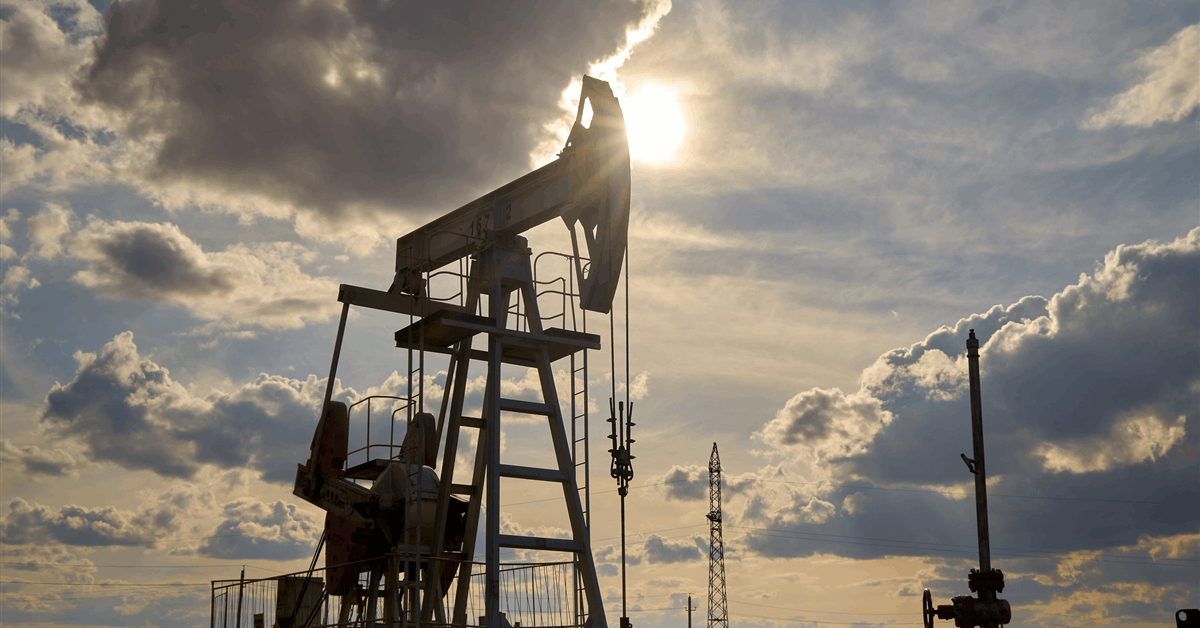
North American drilling activity contracted this week, according to the latest rotary rig data from Baker Hughes. The total count fell by eight units to reach 804 active rigs across the continent. Rigzone reports that the decline was split between the United States, which shed five rigs, and Canada, which saw a reduction of three rigs. Despite the weekly dip, the overall regional count remains 86 units higher than the levels recorded one year ago.
In the United States, the domestic fleet now stands at 588 rigs, dominated by 452 oil-focused units and 127 gas-directed units. The count is primarily comprised of horizontal drilling setups, which remained steady week-on-week, while directional rig counts experienced a decline of five. At the state level, Texas bucked the national trend by adding four rigs, while New Mexico and Louisiana both recorded reductions of three units during the reporting period.
The Canadian sector currently operates 216 rigs, with the majority dedicated to oil extraction. While oil rig numbers in Canada fell by three this week, the count for gas and miscellaneous rigs stayed flat. Baker Hughes characterizes these frequent industry tallies as "an important business barometer for the drilling industry and its suppliers," noting that the long-term trend still shows significant annual growth for both nations compared to the previous year's figures.
Editorial Desk — Trade Flow Insight. Reporting and market notes compiled by the Trade Flow Insight editorial team.
Articles liés
L'Europe se prépare à une crise énergétique hivernale alors que les réserves de gaz s'amenuisent
Après des mois de prix de l'énergie élevés, l'Europe peut s'attendre à une poursuite de la hausse des coûts des carburants durant les mois d'hiver avec l'augmentation de la demande. Les contraintes persistantes sur le commerce de l'énergie et les menaces pesant sur les infrastructures énergétiques au Moyen-Orient devraient limiter les approvisionnements mondiaux et continuer à faire grimper les prix, frappant durement les consommateurs à moins que les gouvernements n'interviennent. L'Union européenne (UE) aurait payé 100 milliards d'euros supplémentaires pour le pétrole et le gaz depuis le déb

Le pétrole progresse sur fond de risques liés à la guerre et aux ouragans
Les prix du pétrole ont légèrement progressé alors que les attaques contre des pétroliers au Moyen-Orient et l'ouragan Isaias ont accru les inquiétudes concernant l'approvisionnement.

L'Australie sur le point de publier son plan définitif pour conserver davantage de GNL sur le marché intérieur
L'Australie est sur le point de dévoiler la version finale d'un plan controversé visant à contraindre les producteurs de gaz naturel liquéfié à réserver jusqu'à un cinquième de leur production aux acheteurs locaux.