
Sea Lion roars into Falklands expansion as Navitas reels in second FPSO
Navitas Petroleum expands Falkland Islands operations with a $125 million acquisition of the OSX-1 vessel to accelerate production at the Sea Lion field.
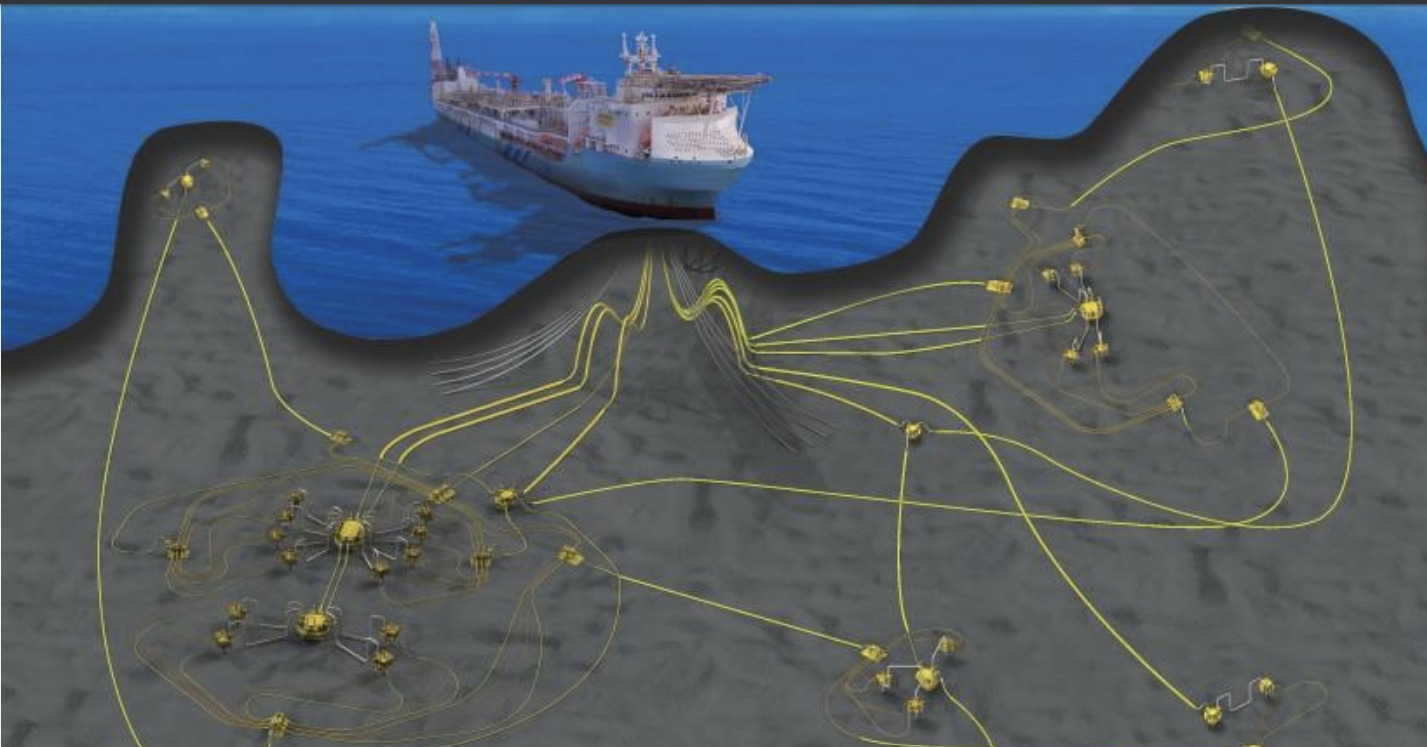
Israeli developer Navitas Petroleum is expanding its presence in the North Falkland Basin by exercising an option to purchase a second floating production, storage, and offloading vessel. According to Offshore Energy, the acquisition of the vessel, named OSX-1, will cost approximately $125 million and is expected to finalize within the next month. This move aims to accelerate development phases at the Sea Lion field beyond the initial work currently underway.
The introduction of the OSX-1 is projected to increase the project's daily output capacity by 125,000 barrels. This vessel will specifically target resources in the central development area, while the previously secured Aoka Mizu vessel remains designated for the first two phases of the northern development area. Navitas will initially fund the entire acquisition cost through a special purpose vehicle while its partner, Rockhopper, seeks financing to cover its share.
Current schedules place the first oil from the northern development area in early 2028, with the central development area expected to begin production by the end of 2030. CEO Samuel Moody stated the update reflects a "continued commitment to developing and accelerating Sea Lion" and enhances the project's overall value. The total investment required to reach project completion for the offshore field is estimated at $2.1 billion.
Editorial Desk — Trade Flow Insight. Reporting and market notes compiled by the Trade Flow Insight editorial team.
Articles liés

L'Europe se prépare à une crise énergétique hivernale alors que les réserves de gaz s'amenuisent
Après des mois de prix de l'énergie élevés, l'Europe peut s'attendre à une poursuite de la hausse des coûts des carburants durant les mois d'hiver avec l'augmentation de la demande. Les contraintes persistantes sur le commerce de l'énergie et les menaces pesant sur les infrastructures énergétiques au Moyen-Orient devraient limiter les approvisionnements mondiaux et continuer à faire grimper les prix, frappant durement les consommateurs à moins que les gouvernements n'interviennent. L'Union européenne (UE) aurait payé 100 milliards d'euros supplémentaires pour le pétrole et le gaz depuis le déb

Le pétrole progresse sur fond de risques liés à la guerre et aux ouragans
Les prix du pétrole ont légèrement progressé alors que les attaques contre des pétroliers au Moyen-Orient et l'ouragan Isaias ont accru les inquiétudes concernant l'approvisionnement.

L'Australie sur le point de publier son plan définitif pour conserver davantage de GNL sur le marché intérieur
L'Australie est sur le point de dévoiler la version finale d'un plan controversé visant à contraindre les producteurs de gaz naturel liquéfié à réserver jusqu'à un cinquième de leur production aux acheteurs locaux.