
Texas Upstream Employment Drops in July
Texas upstream employment saw its largest monthly drop of the year in July, falling by 1,200 jobs as service sector losses outpaced gains from earlier this spring.

Texas energy employment in the upstream sector contracted by 1,200 positions in July, marking the steepest monthly decline of the year. According to reporting by Rigzone, the Texas Independent Producers and Royalty Owners Association (TIPRO) noted that the sector lost 900 service jobs and 300 extraction roles. This downturn represents the first instance of back-to-back monthly declines in 2026, after June figures were revised to show a loss of 300 jobs rather than an initial gain.
Despite the recent softening, the industry remains 1.8 percent higher than its January starting point, with total upstream employment standing at 195,800. TIPRO suggests the current pullback may be a temporary pause rather than a long-term shift, citing 10,951 unique industry job postings in Texas throughout July. The association noted that demand for talent remains high, particularly for heavy truck drivers and service-related roles in hubs like Houston and Midland.
Economic contributions from the sector remain robust even as hiring fluctuates. Tax revenue from oil and gas production reached $567 million and $241 million respectively in July, showing significant year-over-year increases. TIPRO President Ed Longanecker stated that these figures reflect an industry that is "indispensable even amid geopolitical volatility" and rising costs, though he cautioned that federal permitting delays and infrastructure needs continue to act as constraints on the market.
Editorial Desk — Trade Flow Insight. Reporting and market notes compiled by the Trade Flow Insight editorial team.
Articles liés
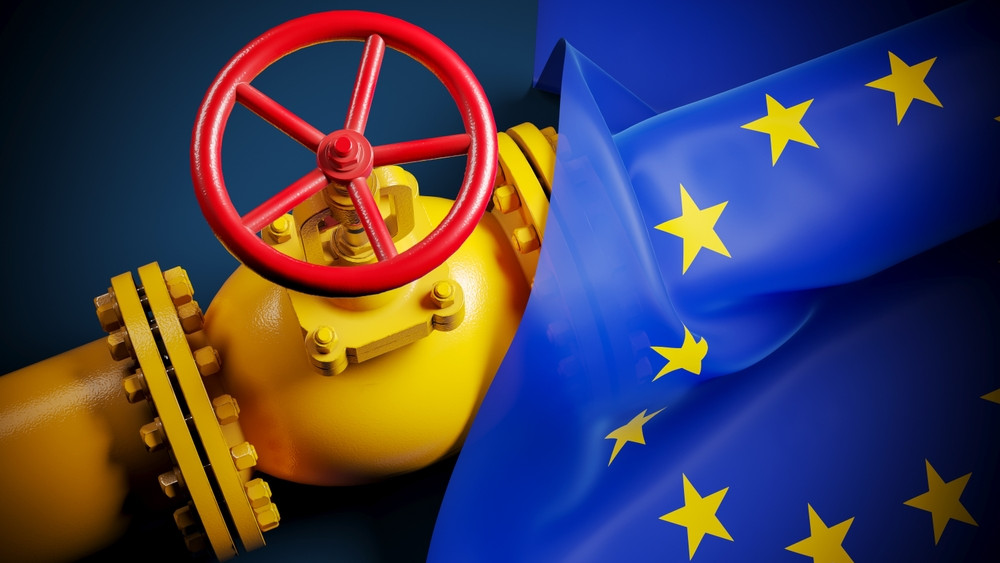
L'Europe se prépare à une crise énergétique hivernale alors que les réserves de gaz s'amenuisent
Après des mois de prix de l'énergie élevés, l'Europe peut s'attendre à une poursuite de la hausse des coûts des carburants durant les mois d'hiver avec l'augmentation de la demande. Les contraintes persistantes sur le commerce de l'énergie et les menaces pesant sur les infrastructures énergétiques au Moyen-Orient devraient limiter les approvisionnements mondiaux et continuer à faire grimper les prix, frappant durement les consommateurs à moins que les gouvernements n'interviennent. L'Union européenne (UE) aurait payé 100 milliards d'euros supplémentaires pour le pétrole et le gaz depuis le déb

Le pétrole progresse sur fond de risques liés à la guerre et aux ouragans
Les prix du pétrole ont légèrement progressé alors que les attaques contre des pétroliers au Moyen-Orient et l'ouragan Isaias ont accru les inquiétudes concernant l'approvisionnement.

L'Australie sur le point de publier son plan définitif pour conserver davantage de GNL sur le marché intérieur
L'Australie est sur le point de dévoiler la version finale d'un plan controversé visant à contraindre les producteurs de gaz naturel liquéfié à réserver jusqu'à un cinquième de leur production aux acheteurs locaux.