
Uniper, Biotrend Plan to Produce Biogas in Turkiye for Europe
Uniper and Biotrend have signed a memorandum of understanding to evaluate converting Turkish biogas facilities into biomethane production sites for export to European markets.
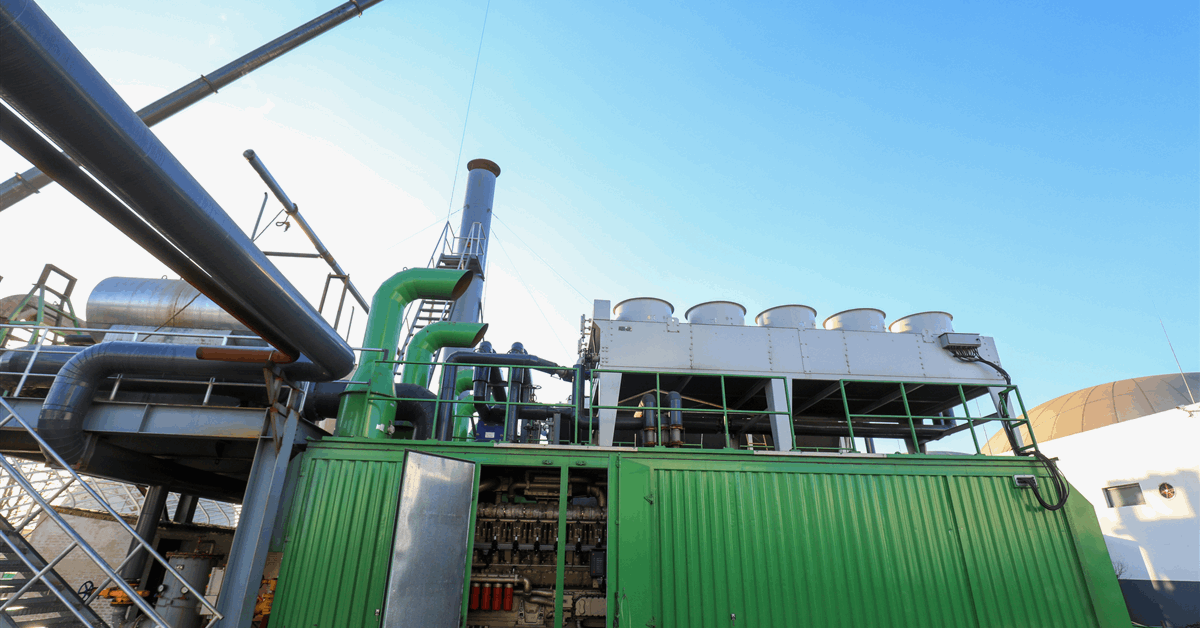
Uniper SE and Biotrend Cevre ve Enerji Yatirimlari AS have agreed to explore the conversion of biogas-to-power facilities in Turkiye into biomethane production sites. According to Rigzone, the partnership focuses on generating renewable gas from organic waste to supply European energy markets. Uniper estimates that Turkiye possesses a total untapped biomethane potential of roughly 50 terawatt-hours annually, while Biotrend’s specific portfolio represents approximately 1.4 terawatt-hours of that potential.
The proposed project involves injecting biomethane into the Turkish national grid for transport through Greece or Bulgaria into the European Union. This process is contingent upon meeting Turkish regulatory requirements and obtaining European certification. Uniper intends to apply its expertise in sourcing, commercialization, and sustainability standards to help facilitate the cross-border flow of these renewable gases. The utility views biomethane as a viable alternative to natural gas for industries where electrification is difficult.
Uniper chief executive Michael Lewis noted that the collaboration could establish a new source of renewable gas and diversify the company's energy portfolio. The German utility has set a target to increase the share of low-carbon and renewable gases in its sales mix to between 5 and 10 percent by 2030. This Turkish initiative follows similar supply agreements in Spain and the operation of a bio-LNG supply chain at the Gate terminal in Rotterdam.
To support these decarbonization goals, Uniper plans to invest approximately 5 billion euros by 2030 into green and flexible generation segments. The company aims for a total power generation capacity of 15-20 gigawatts by the end of the decade, with half of that capacity categorized as renewable or low-carbon. The company maintains that biomethane, alongside hydrogen, is essential for reaching a sustainable energy balance for maritime and road transport.
Helena Marsh — Energy Markets Editor. Helena covers crude, refined products and the trading houses that move them, with a focus on price formation in the Mediterranean and Black Sea.
Articles liés
L'Europe se prépare à une crise énergétique hivernale alors que les réserves de gaz s'amenuisent
Après des mois de prix de l'énergie élevés, l'Europe peut s'attendre à une poursuite de la hausse des coûts des carburants durant les mois d'hiver avec l'augmentation de la demande. Les contraintes persistantes sur le commerce de l'énergie et les menaces pesant sur les infrastructures énergétiques au Moyen-Orient devraient limiter les approvisionnements mondiaux et continuer à faire grimper les prix, frappant durement les consommateurs à moins que les gouvernements n'interviennent. L'Union européenne (UE) aurait payé 100 milliards d'euros supplémentaires pour le pétrole et le gaz depuis le déb
Le pétrole progresse sur fond de risques liés à la guerre et aux ouragans
Les prix du pétrole ont légèrement progressé alors que les attaques contre des pétroliers au Moyen-Orient et l'ouragan Isaias ont accru les inquiétudes concernant l'approvisionnement.
L'Australie sur le point de publier son plan définitif pour conserver davantage de GNL sur le marché intérieur
L'Australie est sur le point de dévoiler la version finale d'un plan controversé visant à contraindre les producteurs de gaz naturel liquéfié à réserver jusqu'à un cinquième de leur production aux acheteurs locaux.